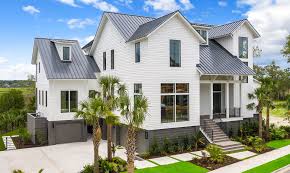
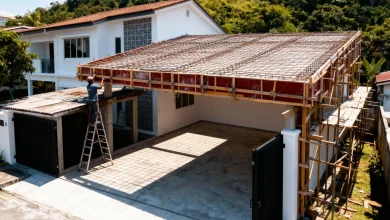
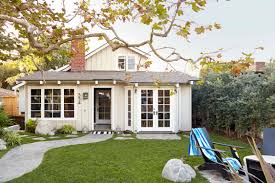
How To Design A Low Maintenance Home Exterior Effortlessly
How To Design A Low Maintenance Home Exterior sets the stage for a captivating exploration into creating a home that not only looks great but also requires minimal upkeep. With the right materials and design choices, homeowners can enjoy a beautiful exterior that saves both time and money while being environmentally friendly. This guide will navigate through essential tips and innovative features that contribute to a low maintenance lifestyle, ensuring your home remains a welcoming sanctuary without the constant burden of maintenance.
By understanding the importance of selecting appropriate materials and making thoughtful design considerations, you can effectively streamline your home’s exterior. From choosing durable siding to incorporating energy-efficient windows, every detail counts in achieving a stylish yet low-effort exterior. With the right approach, your home can be both stunning and easy to maintain.

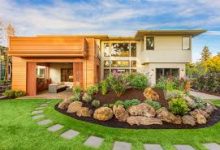
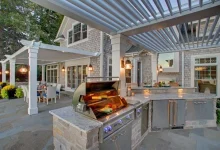
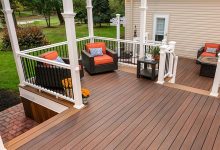
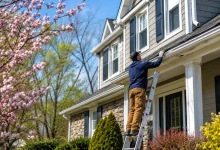
Importance of Low Maintenance Home Exteriors
Low maintenance home exteriors have become increasingly popular among homeowners looking for practicality and efficiency without sacrificing aesthetics. The appeal of these designs lies in their ability to provide a beautiful facade while minimizing the upkeep required. This means less time spent on labor-intensive tasks, allowing homeowners to enjoy their spaces more fully. Choosing low maintenance materials can yield significant benefits across various aspects of homeownership.
Primarily, these designs can save considerable time and money. Homeowners can avoid frequent repairs, repainting, or extensive cleaning, which not only cuts costs but also frees up time for leisure activities or family. Moreover, opting for durable materials often means they can withstand the elements, reducing the need for replacements or significant repairs over time.
Cost and Time Savings
Investing in low maintenance home exteriors translates directly to savings on both time and finances. Homeowners can reduce the frequency of maintenance tasks such as painting, power washing, and repairs. The following are some specific ways that low maintenance materials result in cost and time savings:
- Durability: Materials like fiber cement siding or vinyl require minimal upkeep and can last decades without significant wear and tear. This longevity means fewer replacements and repairs, saving homeowners money in the long run.
- Reduced Labor Costs: With fewer maintenance requirements, homeowners can spend less on hiring contractors or spending time on DIY projects, allowing them to allocate those resources elsewhere.
- Resale Value: Homes with low maintenance exteriors often retain their value better in the real estate market, making them a wise long-term investment. Potential buyers appreciate properties that promise less upkeep.
Environmental Advantages
Low maintenance home exteriors are not only beneficial for homeowners but also for the environment. By selecting eco-friendly materials and designs, homeowners can contribute to sustainability efforts while enjoying their residences. Here are some of the environmental benefits associated with low maintenance exteriors:
- Resource Efficiency: Many low maintenance materials are designed to be energy-efficient, which can reduce the overall carbon footprint of the home. From insulated siding to energy-efficient windows, these features help in conserving energy.
- Less Waste: Durable materials that last longer result in less waste generated over time. Homeowners are less likely to discard old materials frequently, contributing to a decrease in landfill contributions.
- Sustainable Materials: Many low maintenance exterior options use recycled materials or are produced in environmentally responsible ways. This choice supports sustainable manufacturing processes and reduces the demand for virgin materials.
“Investing in low maintenance materials not only enhances the beauty and functionality of your home but also promotes a sustainable lifestyle.”
Choosing the Right Materials
When it comes to designing a low maintenance home exterior, the materials you select play a crucial role. The right materials not only enhance the aesthetic appeal of your home but also reduce the time and resources required for upkeep. Choosing low maintenance materials ensures that your home remains attractive and functional without the burden of constant care.Low maintenance materials are designed to withstand environmental stressors, require minimal cleaning, and resist wear and tear over time.
Many homeowners are increasingly opting for these materials due to their longevity and ease of maintenance. Here are some examples of popular low maintenance materials, along with their features and benefits.
Examples of Low Maintenance Materials
Several materials excel in low maintenance attributes, making them excellent choices for home exteriors. These materials provide durability, aesthetic diversity, and cost-effectiveness.
- Vinyl Siding: Vinyl siding is known for its resistance to fading, peeling, and cracking. It requires minimal cleaning with just a hose or a gentle scrub, making it a favorite for many homeowners.
- Brick: Brick offers exceptional durability and can last for generations with little upkeep. It does not require painting or sealing and is resistant to pests and rot.
- Stucco: Stucco is a cement-based material that is highly durable. It can withstand harsh weather conditions and requires only occasional washing to maintain its appearance.
- Fiber Cement: This material combines cement and cellulose fibers, providing a wood-like appearance with the resilience of cement. It does not warp or rot and is fire-resistant.
- Metal Roofing: Metal roofing is incredibly durable, often lasting 40 years or more. It resists cracking and shrinking and can withstand extreme weather, requiring minimal maintenance.
Characteristics of Low Maintenance Materials
Certain characteristics make some materials more suitable for low maintenance exteriors. Understanding these traits can help in making informed decisions when selecting materials for your home.
- Durability: Low maintenance materials are often engineered to resist weathering, impacts, and deterioration over time, resulting in a longer lifespan and less frequent need for repairs.
- Resistance to Pests: Materials such as brick and metal do not provide sustenance for pests like insects or rodents, minimizing issues associated with infestations.
- Non-Painting Needs: Many low maintenance materials come pre-finished or do not require painting, eliminating the need for periodic repainting and associated costs.
- Ease of Cleaning: Surfaces that can be easily washed or don’t harbor dirt and stains significantly reduce the labor involved in maintaining the home’s exterior.
Pros and Cons of Popular Exterior Materials
Each material has its own set of advantages and disadvantages that can impact your choice for a low maintenance home exterior. Here’s a quick overview:
| Material | Pros | Cons |
|---|---|---|
| Vinyl Siding | Low cost, variety of colors, easy installation | Can be damaged by extreme heat, less eco-friendly |
| Brick | Highly durable, non-combustible, excellent insulation | Higher upfront costs, can crack if not installed properly |
| Stucco | Versatile design options, energy-efficient | Susceptible to cracks in freeze-thaw cycles, requires sealing |
| Fiber Cement | Resistant to fire, rot, and pests, low maintenance | Heavy, requires skilled installation, can be expensive |
| Metal Roofing | Long-lasting, recyclable, energy-efficient | Noisy during rain, potential for rust without proper finish |
Choosing the right materials is key to creating a low maintenance home exterior that balances beauty, durability, and ease of upkeep.
Design Considerations for Low Maintenance Exteriors
Creating a low maintenance home exterior involves carefully selecting design elements that minimize upkeep while maximizing visual appeal. By focusing on specific materials, landscaping choices, and color selections, homeowners can enjoy a beautiful exterior that requires minimal attention over time. This section Artikels the critical aspects to consider in designing a low maintenance home exterior.
Design Elements for Low Maintenance Exteriors
When planning a low maintenance exterior, several design elements can significantly reduce the amount of upkeep required. Understanding these components is essential to achieving a long-lasting, attractive facade.
- Durable Materials: Use materials like fiber cement siding, brick, or stone that withstand weather conditions and resist fading, cracking, and pest damage.
- Minimalist Architecture: Opt for clean lines and simple shapes that require fewer materials and are easier to maintain.
- Integrated Gutters and Downspouts: Design these features to blend seamlessly with the home’s architecture, reducing the need for frequent cleaning and repairs.
- Low-Maintenance Flooring: Choose outdoor surfaces like composite decking or stamped concrete that require less upkeep compared to traditional wood or stone.
- Energy-Efficient Windows: Select windows with low-E glass that reduce heat transfer, minimizing the need for maintenance and replacement.
Impact of Landscaping Choices on Maintenance Needs
Landscaping plays a crucial role in the overall maintenance requirements of a home exterior. Thoughtful landscaping design can significantly decrease the time and effort needed for upkeep, enhancing the home’s curb appeal.
- Native Plants: Incorporate local flora that thrives in the climate without needing excessive watering or care.
- Perennial Plants: Choose perennials over annuals to reduce the frequency of planting and maintenance.
- Ground Cover: Use low-growing ground covers to reduce lawn area, which often demands significant upkeep, like mowing and watering.
- Hardscaping: Include features like patios, walkways, and retaining walls made of durable materials, which require less care compared to grassy areas.
- Irrigation Systems: Install smart irrigation systems that automate watering schedules based on weather conditions, reducing manual labor.
Significance of Color Selection in Reducing Maintenance
The color of exterior surfaces can significantly affect maintenance needs, as specific hues and finishes are more practical than others. Making informed color choices can help maintain the home’s appearance over time with less effort.
- Light Colors: Lighter shades tend to show dirt and discoloration less than darker colors, reducing the frequency of cleaning.
- Neutral Tones: Neutral colors tend to be more timeless and less susceptible to becoming outdated, avoiding the need for frequent repainting.
- Textured Finishes: Using textured finishes can help camouflage dirt and wear, making surfaces look cleaner for longer periods.
- UV-Resistant Paints: Selecting paints that are specifically formulated to resist fading from sunlight can extend the life of the exterior finish.
- Consistent Color Schemes: Keeping a consistent color palette can simplify repairs or touch-ups, as new materials can match existing surfaces more easily.
Effective Home Exterior Features
Designing a low-maintenance home exterior involves selecting features that not only enhance aesthetic appeal but also minimize upkeep. By incorporating innovative elements, homeowners can enjoy their outdoor spaces without the constant worry of maintenance. This section delves into effective exterior features that contribute to a more manageable home environment.
Innovative Features for Low Maintenance
Several features can significantly reduce the amount of maintenance required for a home exterior. Key elements include rain gutters and overhangs, which play a crucial role in water management. These features prevent water from pooling around the foundation, reducing the risk of erosion and other moisture-related issues. Additionally, energy-efficient windows and doors are essential as they not only lower energy costs but also require less frequent replacement and maintenance.
Here are some important features to consider:
- Rain Gutters: Properly installed rain gutters channel rainwater away from the house, preventing damage to siding and foundations.
- Overhangs: These architectural elements protect walls from rain, sun, and snow, reducing wear and tear.
- Energy-Efficient Windows: Windows with low-E glass and insulated frames decrease energy consumption and reduce condensation issues that can lead to mold growth.
- Energy-Efficient Doors: Like windows, high-quality doors minimize heat transfer, requiring less maintenance over time due to their durability.
Designing Outdoor Living Spaces
Outdoor living spaces can also be tailored to reduce maintenance. By selecting durable materials and designing for efficiency, these areas can provide enjoyment without the burden of constant upkeep. Hardscaping, for instance, involves using materials such as pavers or stone that require minimal care compared to traditional landscaping. Consider the following strategies when designing these spaces:
- Use of Hardscaping: Incorporating patios, walkways, and retaining walls made from concrete or stone minimizes the need for landscaping maintenance.
- Native Plants: Selecting plants that are native to the area can reduce watering and care since they are naturally adapted to the local climate.
- Low-Maintenance Furniture: Opt for outdoor furniture made from weather-resistant materials such as aluminum or teak that require little upkeep.
- Automated Irrigation Systems: These systems can be programmed to water plants at optimal times, reducing water waste and the time spent on watering.
“Selecting the right features for your home’s exterior can lead to a more enjoyable living environment with less maintenance.”
Maintenance Tips for Home Exteriors: How To Design A Low Maintenance Home Exterior
Maintaining the exterior of your home is crucial for preserving its aesthetic appeal and functionality. Implementing a low-maintenance approach means fewer repairs and an easier routine. Here, we provide practical tips to keep your home looking great without spending excessive time or effort.
Seasonal Maintenance Checklist for Low Maintenance Exteriors, How To Design A Low Maintenance Home Exterior
Regular seasonal maintenance is essential to prevent larger issues down the line. The following checklist includes tasks that can easily be integrated into your seasonal routine:
- Spring: Inspect gutters and downspouts for debris and clean them out. Check for any signs of mold or mildew on siding and treat as necessary.
- Summer: Power wash decks and patios to remove dirt and grime. Maintain landscaping by trimming overgrown plants and ensuring proper drainage away from the foundation.
- Fall: Clean gutters again as leaves begin to fall. Inspect windows and doors for drafts and seal any gaps with weather stripping or caulk.
- Winter: Check heating vents and ensure snow is cleared from walkways to prevent ice buildup. Inspect exterior lighting to ensure safety during darker months.
Routine inspections not only help maintain the home but also allow homeowners to catch potential issues early, preventing costly repairs.
Importance of Routine Inspections
Routine inspections serve as a proactive approach to home maintenance. They allow homeowners to identify and address issues before they escalate into significant problems. For instance, a small crack in the siding could indicate underlying moisture issues, which can lead to rot or pest infestations if left unchecked. Regularly scheduled checks can save homeowners time and money in the long run, enhancing the durability and longevity of the exterior.
Cleaning and Maintaining Exterior Surfaces
Different exterior surfaces require tailored cleaning methods to preserve their appearance and integrity. Here are effective methods to clean various materials with minimal effort:
- Vinyl Siding: Use a solution of mild detergent and water applied with a soft brush or cloth. Rinse thoroughly with a garden hose. For tougher stains, consider a mixture of vinegar and water.
- Wood Decking: Sweep the surface to remove debris, then use a deck cleaner and a power washer on a low setting to avoid damaging the wood. Reseal annually to protect against moisture.
- Brick and Stone: A simple mixture of soap and water can be used, but for heavy stains, a commercial cleaner may be necessary. Scrub with a stiff brush and rinse well.
- Concrete Surfaces: Regular sweeping and occasional power washing will keep concrete looking fresh. For oil stains, apply a degreaser and scrub with a stiff brush.
By employing these cleaning techniques, homeowners can ensure that their exterior surfaces remain in great condition with minimal effort, contributing to the overall low-maintenance goal.
Cost Considerations for Low Maintenance Designs
When it comes to designing a low maintenance home exterior, understanding the cost implications is crucial. While the initial investment for low maintenance materials might seem high, the long-term savings can make them a smart choice for homeowners. This section delves into the financial aspects, helping you see beyond the upfront costs and appreciate the value of low maintenance options over time.The total cost of ownership for various exterior materials can vary significantly.
Low maintenance materials often require less frequent replacement and minimal upkeep, leading to savings on both labor and materials over the years. Analyzing these costs provides insight into how investing in quality materials today can lead to substantial savings in the future.
Initial Investment Versus Long-Term Savings
Low maintenance materials may have a higher initial purchase price, but they often pay off over time. For example, vinyl siding can be more expensive upfront compared to traditional wood siding, but it does not need to be painted or stained, which can save you hundreds of dollars in maintenance costs annually. Consider these aspects when evaluating costs:
- Durability: Investing in durable materials, such as fiber cement siding, can reduce replacement costs and labor over time.
- Maintenance Needs: Materials like metal roofing or composite decking require little maintenance, decreasing long-term costs associated with upkeep.
- Energy Efficiency: Low-maintenance materials often have better insulation properties, leading to decreased heating and cooling costs.
Comparative Costs of Different Exterior Materials
Understanding the total cost of ownership for different materials can guide your choices effectively. Below is a comparison of common exterior materials based on their lifespan, maintenance, and overall costs:
| Material | Initial Cost ($ per sq ft) | Average Lifespan (years) | Annual Maintenance Cost ($) | Total 30-Year Cost ($) |
|---|---|---|---|---|
| Vinyl Siding | 2.50 | 20-40 | 100 | 9,500 – 13,500 |
| Wood Siding | 5.00 | 15-30 | 300 | 15,500 – 21,000 |
| Fiber Cement Siding | 4.00 | 25-50 | 50 | 8,500 – 12,500 |
| Metal Roofing | 7.00 | 40-70 | 20 | 8,600 – 10,600 |
This table illustrates how investing in low maintenance materials may require a higher initial cost but can lead to significant long-term savings.
Budget-Friendly Low Maintenance Options
Homeowners looking for budget-friendly low maintenance options have several choices to consider. Here are a few materials and solutions that balance quality and affordability:
- Vinyl Siding: As one of the most popular choices, vinyl siding offers a low upfront cost and minimal maintenance, making it an excellent option for budget-conscious homeowners.
- Composite Decking: Often made from recycled materials, composite decking is a durable and low-maintenance alternative to traditional wood that reduces the need for staining or sealing.
- Fiber Cement Board: This material provides the look of wood but with enhanced durability and lower maintenance requirements, making it a cost-efficient choice over time.
- Stucco: When installed properly, stucco can be a cost-effective option that requires minimal upkeep and offers a lasting exterior finish.
These options not only help in keeping the costs down but also ensure that the exterior of your home remains beautiful and functional with less effort over the years.
Real-Life Examples and Case Studies
Designing a low maintenance home exterior has become increasingly popular, as homeowners seek solutions that save time, effort, and resources. Exploring real-life examples and case studies can greatly illuminate effective strategies and innovative materials that yield beautiful yet practical results. This section delves into notable instances of low maintenance designs, showcasing both individual homes and community projects that exemplify these principles in action.
Case Studies of Low Maintenance Homes
Several homes stand out due to their smart design choices that emphasize durability and ease of upkeep. A notable example is the Johnson Residence, situated in a coastal region. This home features fiber-cement siding, which mimics the look of wood without the constant maintenance. The owners opted for a metal roof that not only withstands harsh weather conditions but also offers a long lifespan without the need for frequent repairs.Another compelling case is the Smith Family Home located in a suburban area.
This residence utilizes high-performance vinyl windows, which are energy efficient and require minimal cleaning compared to traditional glass options. Additionally, the landscaping is designed with native plants that thrive in the local climate, reducing the need for irrigation and ongoing maintenance.
Successful Design Strategies
The design strategies used in these case studies can be categorized into several key areas, each contributing to the low maintenance goal:
- Material Selection: Durable materials like fiber-cement siding, metal roofing, and high-performance windows play a crucial role in minimizing upkeep. These materials resist weathering and offer long-term performance without the frequent need for repairs or replacements.
- Landscaping Choices: Incorporating native plants and xeriscaping techniques reduces reliance on irrigation, allowing homeowners to enjoy a lush garden without excessive maintenance. This approach not only conserves water but also fosters local biodiversity.
- Design Simplicity: Clean lines and straightforward roof designs minimize the accumulation of debris and reduce cleaning time. This aesthetic choice not only appeals visually but also serves a functional purpose.
Community Projects Showcasing Low Maintenance Designs
In addition to individual homes, several community projects reflect the principles of low maintenance design. One remarkable example is the Green Acres Neighborhood development, which focuses on sustainable living with minimal upkeep needs. Each home is constructed using materials such as reclaimed wood and composite decking, which are not only environmentally friendly but also provide long-lasting performance without demanding significant maintenance efforts.Another project worth noting is the Eco-Friendly Housing Initiative in an urban setting.
This initiative features a series of townhouses built with modular construction techniques, allowing for efficient assembly and reduced waste during the build process. The use of green roofs and rainwater harvesting systems further enhances the sustainability of the homes while ensuring that maintenance is kept to a minimum.
“Designing for low maintenance is not just about reducing work; it’s about creating a lifestyle that embraces ease and sustainability.”
Final Conclusion

Source: worldsportstoindia.com
In summary, designing a low maintenance home exterior is a smart investment that pays off in numerous ways. By prioritizing durable materials, thoughtful landscaping, and innovative features, you can significantly reduce upkeep while enhancing your home’s curb appeal. Remember that the choices you make today will lead to a future filled with ease and comfort, allowing you to fully enjoy your living space without the constant worry of maintenance.
Questions and Answers
What are the best low maintenance materials for exteriors?
Some popular low maintenance materials include vinyl siding, fiber cement, and bricks. These materials are durable, resist fading, and require minimal upkeep.
How does landscaping affect home exterior maintenance?
Thoughtful landscaping can reduce maintenance needs by using native plants, xeriscaping, and strategic placement to minimize lawn care and irrigation.
Are there color choices that help reduce maintenance?
Yes, lighter colors can help hide dirt and debris, while darker colors may show more wear. Choosing colors that are resistant to fading can also minimize touch-up needs.
What are some effective features to consider for a low maintenance home?
Features like overhangs, seamless gutters, and durable decking materials can significantly reduce maintenance needs and prolong the life of your home’s exterior.
Is it worth the investment in low maintenance materials?
Yes, while the initial investment might be higher, low maintenance materials often lead to long-term savings due to reduced upkeep and repairs.