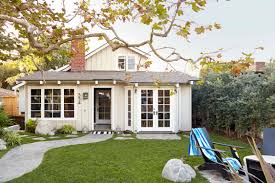
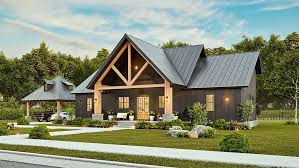
Best Roof Color Combinations For House Exteriors
Best Roof Color Combinations For House Exteriors sets the stage for a deep dive into how the right roof color can elevate the aesthetic appeal of your home while also enhancing its value. Choosing the perfect color combination for your roof isn’t just about style; it’s a decision that impacts curb appeal, energy efficiency, and even the longevity of your roofing materials.
In this exploration, we’ll uncover popular color combinations, the influence of climate, and tips for matching roofs with exterior walls to help you make an informed choice for your home’s exterior.

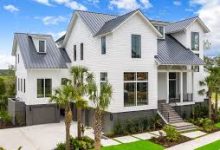
From traditional to contemporary styles, the right color combinations can create a cohesive look, while also considering factors like maintenance and regional influences. Whether you’re refreshing your home’s exterior or embarking on new construction, understanding these elements will guide you toward a roof color that not only looks great but also complements the overall design of your property.
Introduction to Roof Color Combinations: Best Roof Color Combinations For House Exteriors
The color of your roof is more than just a stylistic choice; it plays a pivotal role in the overall aesthetics of your home. A well-chosen roof color can complement your home’s architecture and enhance its visual appeal, creating a harmonious look that draws the eye. Whether you are building a new home or renovating, understanding the significance of roof color combinations can elevate your property’s charm.Choosing the right roof color can significantly impact curb appeal and property value.
Aesthetic appeal often translates to marketability; homes with thoughtfully selected roof colors tend to attract more potential buyers. In addition to enhancing visual appeal, the right color can create a cohesive look when paired with exterior elements like siding, windows, and landscaping. Several factors influence this choice, including architectural style, local climate, and neighborhood trends, all of which can guide you toward the most suitable combinations.
Factors Influencing Roof Color Choices
Selecting the appropriate roof color combination entails consideration of various influencing factors. These can shape not only personal preference but also practical aspects of home ownership. Here are some key considerations:
- Architectural Style: The style of your home—whether it’s traditional, modern, or craftsman—will dictate certain color palettes that match its character. For example, a Victorian home may benefit from classic dark greens or reds, while a contemporary home may look best with sleek grays or whites.
- Climate: In warmer climates, lighter roof colors can help reflect sunlight, keeping homes cooler, while darker colors may absorb heat, which could be advantageous in cooler regions.
- Neighborhood Trends: Observing the colors used in your surrounding area can provide insight into what works well. Homes that share a neighborhood’s color scheme often look more cohesive and appealing.
- Material Type: The type of roofing material (asphalt shingles, metal, tile) can also influence color options, as some materials are available in limited shades that may affect overall aesthetic choices.
- Personal Preference: Ultimately, your own taste plays a crucial role. Choosing colors that you love can ensure that you are satisfied with the outcome for many years to come.
“A well-chosen roof color not only enhances the home’s beauty but can also significantly boost its market value.”
Considering these factors while selecting your roof color combination can lead to a more harmonious and appealing home exterior that stands the test of time. Every choice holds the potential to reflect individual style while respecting the context of the environment in which the home resides.
Popular Roof Color Combinations
Choosing the right roof color can significantly influence the overall aesthetic of a home. Different architectural styles lend themselves to various color combinations that not only enhance the beauty of the structure but also elevate the surrounding environment. Understanding popular roof color combinations can help homeowners make informed decisions that reflect their personal style while maintaining harmony with their home’s architectural design.When considering roof color combinations, it’s essential to match them with the home’s architectural style, as this can create visual appeal and coherence.
Below are some commonly used combinations across different styles, showcasing how certain colors work beautifully with various house exteriors.
Commonly Used Roof Color Combinations
The following color combinations have proven successful in enhancing the beauty of traditional, modern, and contemporary homes. Each combination is designed to complement the architectural characteristics unique to these styles.
| Architectural Style | Roof Color Combination | Description |
|---|---|---|
| Traditional | Charcoal Gray and Red | This combination adds a classic touch, with dark gray offering a strong base while red adds warmth and character, perfect for colonial or Victorian homes. |
| Traditional | Brown and Beige | Earthy tones blend seamlessly, evoking a natural and inviting feel, ideal for cottages and craftsman-style homes. |
| Modern | Black and White | A bold and striking combination that emphasizes clean lines and minimalism, suitable for contemporary designs. |
| Modern | Slate Blue and Light Gray | This combo offers a serene and sophisticated look, perfect for urban settings with modern architectural elements. |
| Contemporary | Dark Brown and Soft Green | A fresh and stylish pairing that promotes harmony with natural surroundings, ideal for environmentally conscious designs. |
| Contemporary | Gray and Yellow | Combining the neutrality of gray with the brightness of yellow creates a dynamic and cheerful aesthetic, perfect for modern homes. |
Color combinations play a key role in defining the character and charm of a home, enhancing both curb appeal and personal expression.
These popular combinations illustrate how thoughtful color choices can enhance each architectural style while reflecting the homeowner’s taste. By selecting colors that complement the design and setting of the house, homeowners can create a cohesive and inviting exterior that stands the test of time.
Impact of Climate on Roof Colors
Choosing the right roof color is not just about aesthetics; it is also significantly influenced by the climate of the area where the house is located. Different climates can dictate what colors work best to promote both energy efficiency and the longevity of the roof. Understanding these influences is essential for homeowners looking to make informed decisions regarding their roof color selections.In warmer climates, lighter roof colors are favored for their energy efficiency benefits, as they reflect sunlight and keep the interior cooler.
Conversely, regions with colder climates may benefit from darker roofs, which absorb heat and help to keep homes warmer during winter months. The decision on roof color should therefore be aligned with the local weather patterns to ensure optimal performance and comfort in the home.
Energy Efficiency of Roof Colors in Varying Climates
The performance of roof colors varies significantly depending on climate conditions, which impacts energy consumption and comfort levels in homes. Below is a comparative analysis of how different roof colors perform in various climates, highlighting the energy efficiency benefits associated with each.
| Climate Type | Recommended Roof Color | Benefits | Energy Efficiency Impact |
|---|---|---|---|
| Hot and Sunny | Light Colors (e.g., white, light gray) | Reflects sunlight, keeps home cool | Reduces air conditioning costs |
| Cold and Snowy | Dark Colors (e.g., black, dark brown) | Absorbs heat, melts snow quickly | Decreases heating costs |
| Temperate (Mild Seasons) | Medium Colors (e.g., beige, taupe) | Balances heat absorption and reflection | Offers moderate energy savings |
| Humid and Rainy | Light or Medium Colors | Prevents heat build-up, reduces humidity effects | Promotes better indoor air quality |
In hot climates, light roofs can reduce energy consumption by up to 20%, while in cold climates, dark roofs can save heating costs significantly.
Selecting the appropriate roof color based on climate not only enhances the home’s energy efficiency but also contributes to overall comfort and satisfaction for homeowners. Understanding these dynamics is crucial for making an informed choice that aligns with both environmental conditions and personal preferences.
Matching Roof Colors with Exterior Walls
Choosing the right roof color to match your home’s exterior walls is a fundamental aspect of home design that can significantly enhance its overall charm and appeal. A well-coordinated color scheme not only boosts curb appeal but also reflects your personal style. By understanding how colors interact, you can create a harmonious and inviting look for your home.To effectively select roof colors that complement your exterior walls, it’s essential to consider the overall architecture, the surrounding environment, and the psychological impact of colors.
Utilizing color theory can guide you in creating combinations that are visually appealing and harmonious. Color theory emphasizes the relationships between colors, helping you identify pairs that work well together.
Color Theory Applications for Roof and Wall Combinations
When choosing colors for roofs and walls, consider the following approaches rooted in color theory:
Analogous Colors
These are colors that sit next to each other on the color wheel. They create a serene and comfortable design. For example, a soft blue wall might pair beautifully with a slate blue roof.
Complementary Colors
Colors opposite each other on the color wheel create a dramatic effect that can be eye-catching. A light beige wall could be contrasted nicely with a deep charcoal roof.
Monochromatic Colors
Using variations of a single color can add depth. A pale green wall may look sophisticated with a darker green roof.
Triadic Colors
This scheme involves three colors that are evenly spaced on the color wheel, providing a vibrant look. For instance, a yellow wall, a red roof, and blue trim can create a lively exterior.Understanding these principles will help you make informed choices when selecting a roof color that complements your home’s exterior walls.To assist in your color selection, here’s a list of popular exterior wall colors paired with recommended roof colors:
- White Walls:-Gray roof-Light blue roof
- Beige Walls:-Brown roof-Terracotta roof
- Light Gray Walls:-Dark gray roof-Black roof
- Soft Blue Walls:-Navy roof-Silver roof
- Yellow Walls:-Rich brown roof-Dark gray roof
- Green Walls:-Dark green roof-Charcoal roof
- Tan Walls:-Dark brown roof-Slate blue roof
These combinations not only provide a visual guide but also take into account the varying styles and aesthetics that homeowners may desire. The right roof color can elevate the appearance of your exterior walls while ensuring a cohesive and well-thought-out design.
Roof Color Trends
As homeowners continue to personalize their exteriors, the trend in roof colors is shifting towards bolder choices and creative combinations. The evolution of these trends reflects not only aesthetic preferences but also broader cultural influences. A roof’s color now plays a significant role in the overall curb appeal and value of a home.In recent years, social media platforms and design shows have significantly impacted the selection of roof colors.
Instagram, Pinterest, and television programs on home improvement have created trends that emphasize visual storytelling. These platforms showcase unique color combinations that inspire many homeowners to experiment with different palettes. As a result, we are witnessing a shift from traditional neutrals to more vibrant and diverse options that cater to individual styles.
Current Trending Roof Colors and Their Popularity, Best Roof Color Combinations For House Exteriors
The following table illustrates the trending roof colors and their popularity over the years. This data highlights how preferences have evolved and how certain colors have gained traction due to design influences.
| Year | Trending Roof Color | Popularity (% of Homeowners Choosing This Color) |
|---|---|---|
| 2020 | Slate Gray | 30% |
| 2021 | Charcoal Black | 25% |
| 2022 | Forest Green | 20% |
| 2023 | Rustic Red | 18% |
| 2024 (Predicted) | Ocean Blue | 22% |
The shifting preferences in roof colors can also be attributed to the desire for homes to stand out in a crowded market. For example, colors like rustic red and ocean blue provide a unique character that appeals to younger homeowners looking to make a statement. As trends continue to evolve, the influence of media will likely further reshape our perceptions of what colors are desirable in roofing.
Regional Influences on Roof Colors
Roof colors are not only a matter of personal preference but are also significantly influenced by regional characteristics. Different areas have distinct architectural styles, climate conditions, and cultural traditions that dictate the choices homeowners make when selecting roof colors. Understanding these regional influences can enhance the aesthetic appeal of a home while also aligning with community standards and practices.The cultural significance of roof colors often stems from historical contexts and local resources.
In hotter climates, for instance, light-colored roofs are favored for their ability to reflect sunlight and keep homes cooler. Conversely, in regions with heavy snowfall, darker roofs are preferred as they absorb heat and reduce the likelihood of ice buildup. Moreover, local building codes and architectural traditions play crucial roles in determining acceptable color palettes, ensuring that homes maintain a cohesive look with their surroundings.
Regional Roof Color Preferences
Different regions exhibit unique preferences for roof colors, reflecting their climate, culture, and architectural heritage. Below is a chart summarizing favored roof colors by region, highlighting how various factors contribute to these preferences.
| Region | Favored Roof Colors | Cultural Significance |
|---|---|---|
| Southwest | Terracotta, Earthy Tones | Reflects adobe and Spanish influences, harmonizing with desert landscapes. |
| Northeast | Slate Gray, Dark Green | Aligns with historic colonial architecture and blends with natural surroundings. |
| Midwest | Dark Brown, Black | Dark colors absorb heat, suitable for colder winters and more traditional styles. |
| Southeast | Light Blue, White | Light colors reflect heat, often seen in coastal and tropical architecture. |
| Pacific Northwest | Forest Green, Charcoal | Natural tones blend with evergreen forests and rainy climates. |
The above chart illustrates how local architectural standards and environmental conditions significantly influence roof color choices. For example, in the Southwest, the use of earthy tones is prevalent, linking homes to the natural desert surroundings, while the cooler, darker colors found in the Northeast signify a harmony with traditional colonial aesthetics.
Understanding regional influences on roof colors can lead to more cohesive and culturally resonant home designs.
Eco-Friendly Roof Color Options
When choosing a roof color, many homeowners overlook the environmental impact of their selection. Eco-friendly roof colors not only enhance the aesthetic appeal of a house but also contribute positively to energy conservation and sustainability efforts. By opting for specific materials and colors, homeowners can reduce their carbon footprint and enjoy the benefits of lower energy costs.Selecting certain roof colors can significantly influence the overall energy efficiency of a home.
Lighter colors reflect sunlight, reducing heat absorption and helping keep the interior cool. This can lead to reduced reliance on air conditioning systems during warm months, which in turn lowers energy consumption and greenhouse gas emissions. Conversely, darker colors absorb heat, which can be advantageous in colder climates, but may not be eco-friendly in warmer areas.
Eco-Friendly Roofing Materials and Colors
Various roofing materials and colors are recognized for their eco-friendliness and energy efficiency. The following list highlights some options and their specific benefits:
- Cool Roof Coatings: These can be applied to both new roofs and existing ones, significantly enhancing energy efficiency by reflecting more sunlight.
- Metal Roofing: Available in lighter colors, metal roofs are highly reflective, durable, and often made from recycled materials, making them a sustainable choice.
- Clay and Concrete Tiles: These materials are naturally energy efficient and can be painted in lighter colors to enhance reflectivity.
- Green Roofs: Vegetative roofs not only provide insulation but also reduce heat absorption and promote biodiversity.
- Solar Roof Shingles: These utilize solar energy to power the home while blending seamlessly with traditional roofing colors.
Opting for eco-friendly roof colors can have several advantages. Lighter colors generally help in reducing the heat island effect in urban areas, while materials like metal and clay contribute to longevity and lower maintenance costs. Additionally, the use of green roofs can improve air quality and provide insulation benefits, making them suitable for both residential and commercial buildings.
“Choosing the right roof color is not just about aesthetics; it’s about making a sustainable choice that positively impacts the environment.”
The suitability of these options varies depending on climate, architectural style, and personal preference, but the environmental benefits make these eco-friendly roof color options a wise choice for modern homeowners.
Maintenance Considerations for Roof Colors
Choosing the right roof color isn’t just about aesthetics; it also has practical implications for maintenance and longevity. Different colors can influence how your roof withstands the elements, and consequently, how often you need to maintain it. Understanding these factors can help you select a roof color that not only looks great but also stands the test of time.The maintenance requirements for roof colors vary significantly based on their ability to reflect sunlight, absorb heat, and resist visible wear.
Darker colors may require more cleaning and maintenance due to their tendency to show dirt and moss growth more readily than lighter colors. Moreover, the longevity of materials can also be affected by their color; darker roofs may fade or wear more quickly due to increased heat absorption.
Maintenance Requirements Based on Roof Color
Selecting a roof color involves considering the associated maintenance needs. Below is a table outlining how various roof colors impact maintenance requirements:
| Roof Color | Maintenance Frequency | Longevity Impact |
|---|---|---|
| Light Colors (e.g., white, light gray) | Lower frequency; less dirt visibility | Typically longer due to lower heat absorption |
| Medium Colors (e.g., beige, taupe) | Moderate frequency; some dirt visibility | Balanced longevity; may see gradual fading |
| Dark Colors (e.g., black, dark gray) | Higher frequency; dirt and moss may accumulate | Shorter longevity; increased heat can lead to wear |
| Bold Colors (e.g., red, blue) | Moderate to high frequency; color may fade | Variable longevity; depends on paint and material quality |
“The color of your roof can significantly impact its maintenance needs and overall longevity.”
Regular inspections and cleanings can help prolong the lifespan of your roof, regardless of color. For darker roofs, consider scheduling more frequent cleanings to prevent moss and dirt buildup that can affect the roof’s integrity. On the other hand, lighter roofs, while requiring less frequent maintenance, may still need occasional cleaning to maintain their appearance. Ultimately, understanding the maintenance implications of your roof color choice can lead to better decision-making for your home’s exterior.
Case Studies of Roof Color Combinations
Exploring roof color combinations through case studies provides invaluable insights into how different hues can dramatically alter the appearance and appeal of a home. These examples showcase transformations that not only elevate aesthetics but also enhance property value and curb appeal.Real-world examples highlight the impact of strategic roof color choices. By examining before-and-after scenarios, homeowners can visualize the potential of their own properties.
Below are several case studies that illustrate effective roof color combinations.
Transformative Roof Color Combinations
The following case studies demonstrate the significant improvements achieved through thoughtful roof color decisions. Each example Artikels key features and outcomes, showcasing the power of color in home exteriors.
- Traditional Colonial Home
- Before: The original roof was a faded grey, which blended into the background and dulled the house’s features.
- After: A deep navy blue roof was installed, providing a striking contrast against the white siding.
- Features: Enhanced visual interest, classic elegance, and increased property value.
- Modern Farmhouse
- Before: The home featured a muted brown roof that failed to highlight the architectural details.
- After: A charcoal grey metal roof was applied, modernizing the overall look and accentuating the white trim.
- Features: Increased energy efficiency, contemporary flair, and improved overall appeal.
- Coastal Beach House
- Before: The existing roof was a dull beige, which did not reflect the vibrant surroundings.
- After: A bright teal roof brought the home to life, harmonizing beautifully with the ocean view.
- Features: Enhanced brightness, eye-catching aesthetics, and a welcoming atmosphere.
- Ranch Style Home
- Before: The property had a faded olive green roof that blended too much with the landscape.
- After: A crisp white roof was selected, creating a clean and fresh appearance against the earthy tones of the home.
- Features: Modernized aesthetic, improved visibility, and higher resale potential.
- Victorian Style House
- Before: The roof had a patchy slate color that diminished the home’s historic charm.
- After: A vibrant burgundy roof was added, enhancing the intricate details and bringing a touch of grandeur.
- Features: Restored historic appeal, improved curb appeal, and increased neighborhood admiration.
These case studies reveal that selecting the right roof color can transform not only the appearance of a house but also its atmosphere and value in the community. Each combination reflects a thoughtful consideration of style, environment, and personal taste.
Epilogue
In summary, selecting the right roof color combination is a crucial aspect of home design that goes beyond mere aesthetics. By considering trends, climate impacts, and the relationship between roof and wall colors, homeowners can create a stunning exterior that reflects their personal style and enhances property value. As you embark on your journey to find the ideal roof color, remember the insights shared here to achieve a harmonious and attractive look for your house’s exterior.
FAQ Guide
What factors should I consider when choosing a roof color?
Consider the architectural style of your home, the climate of your area, and the color of your exterior walls.
Can roof color affect my home’s energy efficiency?
Yes, light-colored roofs can reflect sunlight and keep your home cooler, while dark roofs absorb heat which can be beneficial in colder climates.
Are there specific roof colors that suit modern homes?
Neutral colors like gray, black, and white are popular for modern homes, often paired with bold accents for contrast.
How can I ensure my roof color matches my walls?
Use color theory as a guide, and consider complementary or analogous colors to create a cohesive look.
What are some eco-friendly roof color options?
Colors like light green, pale blue, or reflective white can help reduce heat absorption and are often associated with eco-friendly materials.