Exterior Home Design Mistakes That Reduce Property Value Explained
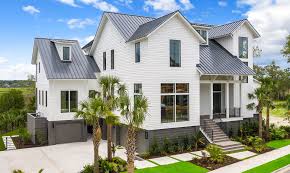
Exterior Home Design Mistakes That Reduce Property Value serve as a critical focus for homeowners looking to maintain or enhance their property’s worth. Many individuals underestimate how seemingly minor design choices can lead to significant financial repercussions. From color selections that clash to poorly executed landscaping, these errors can dramatically impact a home’s appeal and marketability.
This overview dives into the most common exterior design blunders, highlighting how materials, architectural styles, outdoor living spaces, and maintenance play pivotal roles in determining property value. By addressing these factors, homeowners can make informed decisions to protect their investments and create a welcoming environment for potential buyers.

Common Exterior Design Errors
Homeowners often overlook key elements of exterior home design, leading to mistakes that can significantly reduce property value. Understanding these common errors is crucial for anyone looking to maintain or improve their home’s curb appeal and marketability. The exterior of a home sets the tone for its overall aesthetic and can greatly influence potential buyers’ perceptions.One major aspect of exterior design is color choice.
The colors selected for a home’s exterior can either enhance its appeal or detract from it, impacting property value in the process. A well-coordinated color palette can create an inviting atmosphere, while clashing or overly bold colors can make a property less desirable. For instance, a bright neon color may turn heads but can alienate potential buyers who prefer more neutral tones.
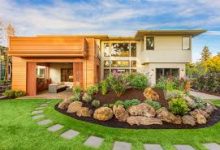
Similarly, a home painted in a color that blends too much with its surroundings can become forgettable, leading to a decrease in interest.Landscaping is another critical factor influencing curb appeal. An unkempt yard with overgrown shrubs or a lack of greenery can give the impression that the home is not well cared for. Proper landscaping enhances not only the beauty of the property but also its perceived value.
Simple improvements, like adding well-placed flower beds or maintaining a manicured lawn, can make a significant difference in first impressions.
Identifying Common Exterior Design Errors
There are several key mistakes that homeowners frequently make concerning exterior design. Recognizing these errors can help in making informed decisions about improvements. Here are five common mistakes:
- Choosing Wrong Roof Styles: A roof style that clashes with the architectural design of the home can detract from its overall aesthetic.
- Ignoring Scale and Proportion: Elements that are out of scale with the house can create a disjointed look, negatively impacting the property’s appeal.
- Neglecting Siding Maintenance: Faded or damaged siding not only detracts from visual appeal but can also indicate neglect, leading to lowered property values.
- Inconsistent Design Elements: Mixing too many different architectural styles can confuse the overall design, making the property look chaotic.
- Over-Decorating: Excessive decorative elements can overwhelm a property’s exterior, making it feel cluttered, rather than inviting.
Understanding these mistakes allows homeowners to rethink their design choices and make enhancements that add value rather than detract from it.
Materials and Their Impact
When it comes to exterior home design, the materials chosen play a critical role in determining not only the aesthetic appeal but also the overall value of the property. Homeowners often overlook the significance of selecting quality materials, resulting in features that may detract from the home’s worth. Understanding the implications of different materials can help ensure that your home not only looks great but also holds its value over time.
Quality materials can significantly enhance the durability and attractiveness of a home’s exterior. They can withstand weather elements better, require less maintenance, and ultimately provide a better return on investment. Conversely, low-cost alternatives may seem appealing initially due to their affordability, but they often come with hidden drawbacks that can negatively impact the home’s value. Selecting the right materials can elevate a property from just another house on the block to a standout home.
Overlooked Materials with Potential Drawbacks
Some materials are commonly overlooked during exterior design, and their drawbacks can lead to increased long-term costs and reduced property value. Here are a few that deserve special attention:
- Vinyl Siding: While affordable and low-maintenance, vinyl can fade, warp, or crack over time, leading to an unattractive appearance that may turn potential buyers away.
- Composite Decking: Though convenient, lower-quality composite materials can become discolored and may require replacement sooner than expected, impacting perceived value.
- Asphalt Shingles: A popular roofing option, but cheaper versions can be prone to damage and may not last as long as higher-quality materials, affecting buyer confidence.
Choosing the right materials for your home’s exterior can make a significant difference in how it is perceived in the market. Homes that utilize high-quality finishes often attract buyers who are willing to pay a premium for assurance and longevity. The right choices can enhance curb appeal and create a welcoming atmosphere.
Advantages of Using Quality Materials
Investing in quality materials can yield substantial benefits that resonate well with prospective buyers. Here are key advantages that quality materials bring to exterior design:
- Enhanced Durability: Quality materials are built to withstand the elements longer, reducing the likelihood of costly repairs in the future.
- Improved Aesthetic Appeal: Higher-grade materials often provide a more sophisticated look, which can significantly enhance curb appeal and overall property value.
- Lower Maintenance Costs: Investing upfront in quality materials can lead to lower maintenance costs over time, which is highly attractive to prospective buyers.
- Energy Efficiency: Quality insulation and roofing materials can improve energy efficiency, making the home more appealing due to potential energy savings.
In the realm of real estate, exterior finishes can create a lasting impression on potential buyers. The materials selected not only shape the home’s appearance but also signal the level of care and investment that has gone into the property.
Influence of Exterior Finishes on Buyer Perception
The finishes applied to a home’s exterior can significantly influence how buyers perceive its value. Potential homeowners often make snap judgments based on the exterior appearance, which can lead to a stronger emotional response. Here are vital aspects to consider:
- Color Choices: Neutral colors typically appeal to a wider audience, while bold colors may polarize opinions. The choice of color can impact how quickly a home sells.
- Texture Variations: Different textures, such as stucco, brick, or wood, can add character. Homes with unique textures often stand out, drawing interest from buyers.
- Landscaping Integration: The harmony between exterior finishes and landscaping plays a crucial role in the overall aesthetic. Proper integration can elevate the entire look of the home.
A well-thought-out combination of quality materials and finishes not only boosts the visual appeal but also plays a pivotal role in establishing the home’s market value. Homeowners should carefully consider these choices to avoid common pitfalls that can diminish property value over time.
Architectural Styles and Cohesion
When considering the exterior design of a home, architectural styles play a critical role in determining not only aesthetic appeal but also property value. Mismatched styles can create a disjointed look that detracts from the overall charm of a property, making it less appealing to potential buyers. Cohesion in design ensures that all elements of the exterior work together to create a harmonious look that enhances curb appeal and marketability.Mismatched architectural styles can significantly reduce property value by presenting a confused and cluttered appearance.
When a home features elements from various styles—such as a Victorian porch on a modern stucco house—it can leave potential buyers puzzled about the home’s identity. This lack of cohesiveness can lead to a perception of neglect or poor design choices, leading buyers to question the integrity of the property itself. Buyers often seek homes that reflect a unified vision, which helps them envision their future in the space.
Cohesive Design Elements That Enhance Exterior Appeal
Cohesive design elements are those that work in tandem to create a unified look. The following elements can significantly enhance a home’s exterior appeal:
- Color Palette: Selecting a harmonious color scheme that complements the architectural style of the home can boost visual interest without overwhelming the senses. For instance, a farmhouse-style home may benefit from soft earth tones that reflect its rural charm.
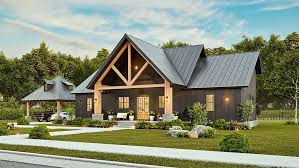
- Material Consistency: Using similar materials for features such as siding, roofing, and trim contributes to a coherent look. A modern home with sleek metal finishes can be enhanced with matching railings and window frames for a seamless effect.
- Landscaping Design: Landscaping that mirrors the architectural style, such as using native plants in a Craftsman-style home, can create a natural flow and elevate curb appeal. The layout and features of the yard should complement the overall architectural theme.
- Entryway Features: A well-designed entryway that incorporates architectural elements like columns, awnings, or a distinctive front door can be a focal point that draws attention and invites visitors. Ensuring these features align with the home’s style is crucial.
Architectural details, such as moldings, window trims, and eaves, play a vital role in enhancing or diminishing the exterior of a home. These elements can either add character or create an overwhelming effect if not aligned with the overall design. For example, intricate moldings may enhance a traditional home while appearing out of place on a minimalist, modern structure.
The right architectural details can transform a basic shell into a stunning visual statement, while mismatched or overly elaborate details can detract from a home’s overall appeal.
Achieving architectural cohesion is not just about aesthetics; it’s about creating a narrative that resonates with potential buyers. A home that tells a cohesive story through its architectural style, materials, and details is more likely to attract interest and maintain its value over time.
Outdoor Living Spaces
Functional outdoor spaces can significantly enhance the overall appeal of a property. Neglecting these areas not only affects the enjoyment of the home but can also lead to a decrease in property value. Outdoor living spaces, such as patios, decks, and gardens, are essential for creating a welcoming environment that encourages relaxation and entertainment. When these spaces are poorly designed or maintained, they can detract from the home’s aesthetic appeal and deter potential buyers.Creating inviting outdoor living areas requires thoughtful planning and appealing design elements.
A well-structured outdoor space can serve as an extension of the home, providing additional living areas for family gatherings or quiet retreats. To achieve this, certain design features can significantly enhance the functionality and attractiveness of outdoor spaces.
Design Features That Enhance Outdoor Living Areas
Incorporating specific design elements can elevate outdoor living spaces from ordinary to extraordinary. These features contribute not only to enjoyment but also to the overall value of the home. Consider the following enhancements that can make a substantial difference:
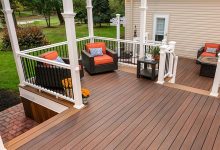
- Comfortable Seating: Ample and comfortable seating arrangements encourage relaxation and socializing. Consider using weather-resistant materials for durability.
- Shade Structures: Pergolas, awnings, or umbrellas can provide relief from the sun, making outdoor spaces usable during warmer months.
- Lighting: Ambient lighting such as string lights, lanterns, or built-in fixtures creates a welcoming atmosphere in the evenings.
- Fire Pits or Outdoor Fireplaces: These features add warmth and charm, making the space inviting year-round and perfect for gatherings.
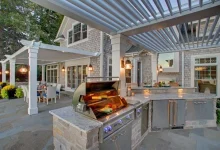
- Outdoor Kitchens: Including cooking facilities elevates the usability of outdoor spaces, catering to those who enjoy entertaining.
- Landscaping: Thoughtful landscaping enhances the beauty of outdoor spaces, adding color and texture. Native plants are often low-maintenance and environmentally friendly.
- Water Features: Fountains or small ponds introduce soothing sounds and visual interest, enhancing the overall ambiance.
Poor planning of patios and decks can lead to decreased property attractiveness. For instance, if a patio is placed in a location that receives little sunlight or is awkwardly shaped, it may feel isolated rather than inviting. Similarly, decks that lack proper railing or safety features can be perceived as hazardous, discouraging use. Additionally, insufficient space for furniture can result in a cramped and unwelcoming atmosphere.
By carefully considering the layout and design of outdoor spaces, homeowners can create a functional and aesthetically pleasing environment that not only enhances their enjoyment but also contributes to the long-term value of the property.
Maintenance and Upkeep: Exterior Home Design Mistakes That Reduce Property Value
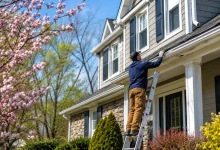
Regular maintenance and upkeep of your home’s exterior are critical to preserving its value and aesthetic appeal. Neglecting these areas can lead to significant issues that not only detract from your property’s curb appeal but also reduce its overall market value. Understanding the common maintenance problems and establishing a routine maintenance schedule can be a game changer in maintaining your property’s worth.One of the biggest culprits in exterior damage is deferred maintenance, which can manifest in various ways.
Issues such as peeling paint, damaged roofing, and overgrown landscaping can significantly affect a property’s value. It’s essential to stay proactive in addressing these problems before they escalate into more costly repairs.
Identify Maintenance Issues That Can Lead to Exterior Damage
Various maintenance issues can compromise the integrity and appearance of your home’s exterior. Common problems include:
- Roof Damage: Missing shingles, leaks, and moss growth can lead to substantial damage. Regular inspections and timely repairs are vital.
- Paint and Siding: Peeling paint or siding can indicate moisture problems. Repainting and repairing siding should be on your to-do list to prevent rot and decay.
- Landscaping: Overgrown shrubs and trees can damage the foundation and roof. Regular trimming keeps plants in check and enhances curb appeal.
- Gutters: Clogged gutters can cause water damage. Routine cleaning and maintenance prevent overflow and protect your siding and foundation.
Staying on top of these issues will help maintain your home’s exterior and prevent costly repairs down the line.
Checklist for Routine Exterior Maintenance, Exterior Home Design Mistakes That Reduce Property Value
Creating a routine maintenance checklist is an effective way to keep your home’s exterior in top shape. This checklist should be reviewed seasonally or biannually to ensure nothing is overlooked. Please consider the following essential tasks:
- Inspect and clean gutters and downspouts.
- Check for roof damage and have any repairs made.
- Examine windows and doors for leaks or drafts; reseal if necessary.
- Inspect all painted surfaces for peeling and schedule repainting as needed.
- Maintain landscaping, including trimming trees and shrubs.
- Clear pathways and driveways of debris and weeds.
- Check your exterior lighting for functionality and replace faulty bulbs.
Following this checklist will help ensure that your exterior remains attractive and functional.
Impact of Deferred Maintenance on Property Evaluations
Deferred maintenance can have a profound impact on property evaluations. When prospective buyers or appraisers notice signs of neglect, it raises red flags about the overall condition of the property. For instance, a home with an unkempt garden or a roof that clearly needs repair may receive a lower appraisal value, as it indicates that the homeowner has not invested in maintaining the property.Research shows that homes with well-maintained exteriors tend to sell for higher prices compared to those with visible maintenance issues.
For example, a house with a new roof and fresh exterior paint could sell for 10-20% more than a similar property showing clear signs of neglect.
Regular maintenance not only preserves property value but enhances the living experience and community aesthetics.
Lighting and Visibility
Proper exterior lighting can significantly enhance the overall safety and aesthetic appeal of a property. It plays a crucial role in making a home inviting while also serving as a deterrent to potential intruders. This balance of functionality and design is essential for homeowners looking to maintain or boost property value.Effective outdoor lighting not only illuminates pathways and gardens but also enhances the perception of safety around a property.
Homes with well-lit exteriors tend to appear more secure, which can influence potential buyers and increase property value. A well-thought-out lighting design can create a warm and welcoming atmosphere while ensuring visibility in darker areas, making it less likely for accidents to occur.
Best Practices for Outdoor Lighting Design
Designing an effective outdoor lighting scheme involves careful consideration of both aesthetics and safety. Here are some key practices to keep in mind:
Layered Lighting
Utilize a combination of ambient, task, and accent lighting to create depth and interest in your outdoor spaces. Ambient lighting provides overall illumination, task lighting focuses on specific areas like steps or seating, and accent lighting highlights architectural features or landscaping.
Smart Technology
Incorporating smart lighting systems allows for better control over your outdoor lights. These systems can be programmed to turn on or off at specific times, enhancing security while also conserving energy.
Solar Lighting Options
Consider solar-powered lights for pathways and garden areas. They are energy-efficient and easy to install, adding both functionality and aesthetic appeal without the need for wiring.
Motion Sensors
Installing lights with motion sensors can enhance security by illuminating areas only when movement is detected, deterring potential intruders and conserving energy.
Avoid Over-lighting
While it’s important to illuminate your property, using too many lights can create a harsh and unwelcoming environment. Aim for balance to ensure a warm, inviting glow.
| Lighting Option | Benefits |
|---|---|
| LED Lights | Energy-efficient, long-lasting, and available in various styles. Ideal for all outdoor settings. |
| Solar Lights | Eco-friendly, cost-effective, and require no wiring. Perfect for pathways and gardens. |
| Flood Lights | Provide bright and wide illumination, ideal for security lighting in large areas. |
| String Lights | Add ambiance and charm; great for patios and festive occasions. |
| Wall Sconces | Enhance architectural features while providing focused light on entrances and walkways. |
“A well-lit exterior not only elevates aesthetics but also enhances safety, making your property more desirable to potential buyers.”
Seasonal Considerations

Source: ac-illust.com
As the seasons shift, so do the challenges and expectations for maintaining a home’s exterior. The aesthetic appeal and structural integrity of exterior design choices can be heavily influenced by seasonal changes. Homeowners must be mindful of how weather patterns and temperature fluctuations can affect their property, ensuring they make informed decisions that sustain and potentially enhance property value throughout the year.Seasonal changes bring varying conditions, such as snow, rain, heat, and humidity, each of which can contribute to the wear and tear of exterior materials.
Choosing the right design elements that can withstand these different conditions helps maintain a home’s appearance and structural integrity. Moreover, preparation for seasonal transitions is crucial to protect the home and preserve its value.
Design Elements Resistant to Seasonal Wear and Tear
Selecting durable materials is essential for a home’s exterior design, especially when considering seasonal conditions. The following elements are notable for their resistance to wear and tear:
- Fiber Cement Siding: This material is known for its durability and resistance to extreme weather, ensuring it remains intact during harsh winters and hot summers.
- Composite Decking: Unlike traditional wood, composite decking does not warp or rot, making it a reliable choice for outdoor spaces regardless of seasonal changes.
- Metal Roofs: Metal roofing is highly resistant to snow accumulation and wind damage, providing excellent protection and longevity.
- Vinyl Windows: These windows are low-maintenance and designed to withstand various weather conditions, reducing the risk of condensation and damage.
It’s important to assess and incorporate these resistant materials when planning exterior upgrades. By doing so, homeowners can significantly mitigate the risks associated with seasonal wear while enhancing the overall aesthetic of their properties.
Preparing a Home’s Exterior for Seasonal Transitions
Proper preparation for seasonal transitions not only helps in maintaining a home’s exterior but also plays a significant role in preserving its market value. Regular upkeep and strategic planning are key components of this process. Here are several essential steps to ensure your home is ready for each season:
- Inspect and Clean Gutters: Regularly cleaning gutters in the fall prevents blockages that can lead to water damage during winter and spring.
- Seal Cracks and Openings: Filling cracks in driveways and walkways during summer helps prevent ice damage in colder months.
- Refresh Landscaping: Seasonal landscaping changes, like planting perennials or mulching, can enhance curb appeal and protect plants from winter frost.
- Apply Protective Coatings: Using sealants on decks and patios can protect wooden surfaces from moisture and UV damage throughout the year.
By actively engaging in these preparations, homeowners not only enhance the overall look of their property but also contribute to its long-term value and durability against the elements.
“A well-maintained exterior reflects care and attention to detail, ultimately supporting property value.”
Last Word
In summary, avoiding common exterior home design mistakes is essential for preserving property value and ensuring a positive impression on visitors and potential buyers alike. By considering factors like cohesive architectural styles, quality materials, and functional outdoor spaces, homeowners can enhance their properties. Ultimately, maintaining a well-kept exterior not only safeguards your investment but also uplifts the entire neighborhood.
Quick FAQs
What are the most common exterior design mistakes?
Common mistakes include poor color choices, inadequate landscaping, mismatches in architectural styles, neglect of outdoor spaces, and lack of maintenance.
How does color choice affect property value?
Unappealing or overly bold colors can turn off potential buyers and may lead to lower offers.
Why is landscaping important for curb appeal?
Well-maintained landscaping improves first impressions, enhances beauty, and can significantly increase property value.
What role do materials play in exterior design?
Quality materials create a more appealing and durable exterior, while low-cost alternatives may lead to faster deterioration and lower value.
How does maintenance impact property evaluation?
Deferred maintenance can lead to costly repairs and diminished property value, as buyers often factor in the condition of the exterior.