Best Landscaping Ideas To Increase Home Value
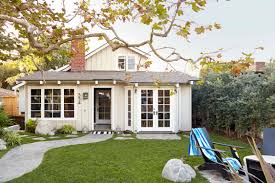
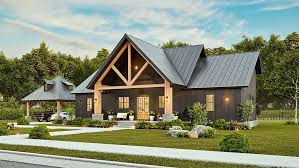
Best Landscaping Ideas To Increase Home Value are essential for homeowners looking to enhance their property appeal and market worth. Landscaping is not merely about aesthetics; it plays a crucial role in determining how potential buyers perceive a home. Studies show that well-executed landscaping can yield a significant return on investment, often recouping up to 150% of the initial costs.
Key features such as manicured lawns, vibrant flower beds, and inviting pathways are what buyers typically seek, making it vital to approach landscaping with a strategic mindset.


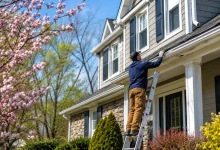

In this discussion, we will explore various landscaping ideas that can effectively boost your home’s market value, from enhancing curb appeal to integrating sustainable practices. By examining the latest trends and offering practical tips, you’ll discover how to create outdoor spaces that not only look great but also add financial value to your home.
Importance of Landscaping for Home Value
Landscaping plays a crucial role in enhancing the aesthetic appeal and overall value of a home. It serves as the first impression potential buyers receive when they approach a property, making it an essential aspect of homeownership and real estate investment. A well-designed landscape not only beautifies a home but also functions as a strategic investment that can yield significant returns when the property is sold.
Research indicates that landscaping can provide a substantial return on investment (ROI). According to the National Association of Realtors, well-landscaped homes can see a return of up to 150% on landscaping investments. Furthermore, a study conducted by Virginia Tech revealed that homes with high-quality landscaping can sell for 5-15% more than comparable properties without such enhancements. These statistics underscore the financial benefits of investing in landscaping, showing that an attractive outdoor space can significantly elevate a property’s market value.
Key Landscaping Features That Buyers Look For
Certain landscaping features are particularly attractive to homebuyers. Investing in these elements can enhance not only the aesthetic appeal but also the functional value of a property. Here are some key features that potential buyers often seek:
- Well-Maintained Lawns: A lush, green lawn serves as a welcoming element for visitors and a versatile space for recreational activities.
- Outdoor Living Spaces: Patios, decks, and outdoor kitchens are increasingly desirable as they create additional leisure areas for entertaining and relaxation.
- Native Plants and Trees: Landscaping with native flora is not only eco-friendly but also reduces maintenance and water consumption.
- Garden Features: Elements like flower beds, vegetable gardens, and ornamental plants enhance visual appeal and can attract buyers interested in gardening.
- Fencing and Privacy Screens: Providing defined boundaries and privacy increases comfort for outdoor activities and enhances security.
- Hardscaping Elements: Walkways, retaining walls, and decorative stone features add structure and can improve the usability of outdoor spaces.
Investing in these landscaping features not only attracts potential buyers but also creates a welcoming atmosphere that can lead to faster sales and higher offers. The right landscape design can effectively highlight the home’s best attributes, making it stand out in a competitive real estate market.
Curb Appeal Enhancements
Enhancing curb appeal is a vital step in increasing your home’s value. The exterior of your property is the first impression potential buyers will have, so making it attractive can significantly influence their perception. With a few thoughtful enhancements, you can create an inviting atmosphere that showcases the best features of your home.Improving entryways and paths is a key aspect of curb appeal.
A well-defined entryway can serve as a welcoming focal point, while clear paths guide visitors to the front door. To achieve this, consider upgrading lighting, adding decorative elements, or even changing materials to create a cohesive and attractive look.
Ideas to Enhance Curb Appeal
To boost the visual appeal of your home from the street, implementing specific enhancements can make a considerable difference. The right choices can not only improve aesthetics but also create a sense of welcome and care.
- Fresh Paint: A new coat of paint on your front door can instantly uplift your home’s look.
- Outdoor Lighting: Strategically placed lights can enhance safety and highlight your landscaping features.
- Landscaping: Adding shrubs, flowers, and decorative stones can create a more vibrant and inviting space.
- House Numbers: Unique and stylish house numbers can add character and make your home stand out.
- Seasonal Decorations: Thoughtfully placed seasonal decor can give your home a warm, lived-in feel.
Improving Entryways and Paths
Creating an inviting and clear pathway to your front door is essential. It directs guests to your home and sets the tone for the interior.
- Pathway Materials: Consider using natural stone or decorative pavers for a sophisticated look.
- Plant Borders: Line your pathways with low-maintenance plants or flowers to soften hard edges.
- Benches: A small bench or seating area can provide a resting place and add to the charm.
- Accent Lighting: Add solar lights along the path to ensure visibility and create a warm ambiance at night.
- Seasonal Plants: Change out planters with seasonal flowers to keep the entryway fresh and colorful throughout the year.
Plants and Flowers That Boost Curb Appeal
Choosing the right plants can enhance your home’s curb appeal significantly. Below is a table that lists popular plants and flowers known for their aesthetic appeal and ease of care.
| Plant/Flower | Characteristics | Benefits |
|---|---|---|
| Lavender | Fragrant purple flowers, drought-tolerant | Adds color, attracts pollinators |
| Boxwood | Evergreen, dense foliage | Great for shaping, year-round greenery |
| Roses | Variety of colors and fragrances | Classic beauty, attracts attention |
| Annuals (e.g., Petunias) | Vibrant colors, blooms all summer | Easy to change seasonally for variety |
| Hostas | Shade-loving, lush foliage | Perfect for low-light areas |
Sustainable Landscaping Practices
Sustainable landscaping practices are increasingly sought after by homebuyers who value eco-friendliness and environmental responsibility. These techniques not only enhance the aesthetic appeal of a property but also contribute to lowering maintenance costs and conserving natural resources. Implementing sustainable landscaping can significantly attract eco-conscious buyers and provide long-term benefits to homeowners.One of the primary aspects of sustainable landscaping is the incorporation of native plants and xeriscaping.
Native plants are adapted to local climates and require minimal water, fertilizers, and pesticides, making them an excellent choice for sustainable gardens. Xeriscaping is a landscaping method that reduces the need for irrigation, focusing on drought-tolerant plants and efficient water usage. This approach is particularly beneficial in areas prone to drought, as it conserves water while still creating a beautiful outdoor space.
Benefits of Native Plants and Xeriscaping
Utilizing native plants in landscaping offers numerous advantages that appeal to both homeowners and potential buyers. These benefits include:
- Low Maintenance: Native plants are accustomed to local soils and weather conditions, requiring less care and resources than non-native species.
- Wildlife Habitat: They provide essential food and shelter for local wildlife, promoting biodiversity in the ecosystem.
- Soil Health: Native plants have extensive root systems that improve soil structure and reduce erosion.
- Water Efficiency: These plants typically need less water once established, making them perfect for xeriscaping.
- Aesthetic Appeal: Native plants can create stunning visuals that reflect the local environment, enhancing curb appeal.
Designing a Water-Efficient Garden
A water-efficient garden is designed with conservation in mind, utilizing specific strategies to minimize water usage while maintaining a lush appearance. Key elements of designing such a garden include:
- Soil Improvement: Incorporating organic matter, such as compost, enhances soil structure and its ability to retain moisture.
- Mulching: Applying a layer of mulch around plants helps to retain soil moisture and reduce evaporation.
- Rain Gardens: Creating rain gardens allows for the efficient capture and utilization of rainwater runoff, effectively managing excess water.
- Efficient Irrigation: Utilizing drip irrigation systems targets water directly to plant roots, reducing waste and promoting healthy growth.
- Plant Grouping: Grouping plants with similar water needs together reduces the likelihood of overwatering and helps maintain optimal moisture levels.
Implementing these sustainable landscaping practices not only enhances property value but also contributes to broader environmental goals, making a home more attractive to the growing number of eco-conscious buyers.
Hardscaping Elements
Incorporating hardscaping elements into your landscaping design can significantly enhance the aesthetic appeal and functionality of your outdoor space. Hardscaping refers to the non-plant elements of landscaping, such as paths, walls, and patios, which play a crucial role in defining the overall landscape layout. By investing in quality hardscaping features, homeowners can create inviting outdoor areas while also increasing their property’s value.Hardscaping offers a variety of benefits, including improved drainage, reduced erosion, and enhanced usability of outdoor spaces.
Popular hardscaping options include patios, walkways, and retaining walls. These features not only serve practical purposes but also contribute to the overall beauty and structure of the landscape. For instance, a well-constructed patio can serve as a perfect gathering spot for family and friends, while walkways guide visitors through the garden and showcase its beauty.
Popular Hardscaping Options and Their Benefits
When considering hardscaping, it’s essential to choose materials and designs that best suit your home and landscape style. Here are some popular options along with their benefits:
Patios
A patio can extend your living space outdoors, providing a stylish area for entertaining or relaxing. Materials like stamped concrete or natural stone can create visually appealing designs that blend with the surroundings.
Walkways
Walkways improve accessibility and guide foot traffic, ensuring that visitors can navigate your yard comfortably. They can be made from various materials such as pavers, bricks, or gravel, offering multiple design possibilities.
Retaining Walls
These structures are not only functional for preventing soil erosion but can also add visual interest to your landscape. Retaining walls made from natural stone or concrete blocks can create tiered gardens, enhancing the overall aesthetic.To assist in your hardscaping projects, here is a list of materials ideal for different applications:
- Concrete: Durable and versatile, it can be poured, stamped, or colored to suit any design.
- Natural stone: Provides a timeless look, ideal for patios and retaining walls.
- Bricks: Perfect for creating classic walkways and patios, offering a unique charm.
- Pavers: Available in various colors and shapes, they allow for creative patterns and designs.
- Gravel: Cost-effective and easy to install, ideal for informal pathways and driveways.
- Timber: Often used for borders and decorative features, it adds a natural element to hardscaping.
Incorporating these hardscaping elements thoughtfully can transform your outdoor space, making it more functional and appealing while boosting your home’s market value.
Outdoor Living Spaces: Best Landscaping Ideas To Increase Home Value
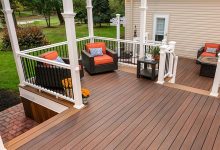
Creating outdoor living spaces significantly enhances not only the functionality of your home but also its aesthetic appeal and overall value. These areas allow homeowners to extend their living space beyond the walls of their home, providing opportunities for entertaining, relaxation, and enjoying nature. By investing in well-designed outdoor areas such as decks, patios, and outdoor kitchens, homeowners can create inviting environments that appeal to potential buyers and elevate their property value.Outdoor living areas serve as an extension of your home, fostering social interactions and family gatherings.
When designed thoughtfully, these spaces can provide comfort and style, making them ideal for entertaining guests or simply enjoying a peaceful evening outdoors. A well-constructed deck or patio not only increases usable square footage but also enhances the visual appeal of your property.
Design Ideas for Outdoor Kitchens and Dining Spaces
Incorporating an outdoor kitchen or dining area can transform your backyard into a culinary paradise, encouraging outdoor cooking and dining experiences. Here are several design ideas that can enhance your outdoor kitchen and dining experience:
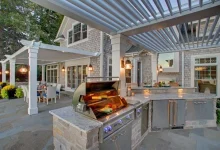
- Built-in Grills: A built-in grill provides a seamless look and is perfect for those who enjoy barbecuing. Add a counter space beside the grill for food preparation and serving.
- Seating Areas: Incorporate comfortable seating options like bar stools or dining tables. Consider using weather-resistant furniture to ensure longevity.
- Cabinetry: Include storage solutions for utensils, dishes, and BBQ supplies. Outdoor-rated cabinets can keep your items organized and protected from the elements.
- Weather Protection: Install awnings, pergolas, or outdoor umbrellas to provide shade and protection from rain, making your outdoor kitchen usable in various weather conditions.
- Lighting: Use ambient lighting such as string lights or lanterns to create a warm and inviting atmosphere for evening gatherings.
When designing an outdoor entertaining area, it’s crucial to create a cohesive layout that promotes functionality and flow. Here’s a detailed layout plan to consider:
1. Zoning
Designate specific areas for cooking, dining, and relaxation. This helps in managing traffic and ensures everyone can move freely without interruption.
2. Proximity to Indoor Spaces
Position the outdoor kitchen near the indoor kitchen for convenience. This proximity allows for easy food transfer and encourages more frequent use.
3. Pathways
Create clear pathways using pavers or gravel to connect different zones. This not only enhances the aesthetic but also ensures safety.
4. Landscaping
Include greenery around the dining area to create a serene environment. Use potted plants, flower beds, or vertical gardens to enhance the visual appeal without overcrowding the space.
5. Fire Pit or Hearth
Consider adding a fire pit or outdoor fireplace as a focal point in your entertaining area. This provides warmth during cooler evenings and encourages social gatherings.A well-planned outdoor living space can dramatically elevate the appeal of your property, making it a desirable feature for potential buyers. By focusing on practical design and comfortable furnishings, homeowners can create an environment that is not only enjoyable but also adds significant value to their home.
Garden Design Trends
Current garden design trends are shaping the way homeowners approach outdoor spaces, providing countless opportunities to enhance property value. As the importance of curb appeal continues to rise, investing in thoughtful landscaping can yield significant returns. A well-designed garden not only improves aesthetics but also promotes sustainability and overall enjoyment. Here are some popular trends that can boost the desirability of your home.
Themed Gardens
Themed gardens are a fantastic way to create a unique outdoor experience while increasing property value. These gardens can be tailored to specific interests or ecological goals, appealing to potential buyers who appreciate personalized outdoor spaces.
- Butterfly Gardens: These gardens are specifically designed to attract butterflies and other pollinators. They typically include a variety of nectar-rich flowers such as coneflowers, milkweed, and lantana. By incorporating native plants, homeowners not only enhance biodiversity but also create a vibrant and lively atmosphere.
- Vegetable Gardens: With the growing trend of home gardening, a well-maintained vegetable garden can significantly increase a home’s appeal. Raised beds filled with herbs, leafy greens, and tomatoes provide fresh produce at the fingertips of homeowners. These gardens promote sustainability and self-sufficiency, which are attractive qualities to many buyers.
Incorporating Raised Beds and Vertical Gardening
Raised beds and vertical gardening are practical techniques that maximize space and usability. These features appeal to homeowners with limited outdoor areas or those who desire a low-maintenance garden.
- Raised Beds: These structures elevate soil, making it easier to plant and maintain a garden. They improve drainage and soil quality, while also creating a defined look that can enhance the overall landscape. A well-structured raised bed can serve as a focal point in a garden, showcasing carefully selected plants or vegetables.
- Vertical Gardening: This method utilizes vertical space to grow plants, ideal for small yards or urban settings. Wall planters, trellises, and hanging pots can create a lush and dynamic environment. Vertical gardens can be especially eye-catching, providing a modern touch that can captivate potential buyers.
“Investing in themed gardens and innovative gardening techniques can significantly elevate property value and create a lasting impression.”
Seasonal Landscaping Considerations
Maintaining an attractive landscape throughout the year is essential for enhancing your home’s value. Seasonal landscaping tasks not only ensure your property looks its best, but they also contribute to the overall health of your plants and soil. Understanding the seasonal needs of your landscape can help you keep it vibrant and appealing, regardless of the time of year.Regular seasonal maintenance can significantly impact your home’s curb appeal and overall property value.
Homeowners should be aware of specific tasks that need to be completed each season to maintain and enhance their outdoor spaces. Following a seasonal checklist allows for timely interventions that support healthy plant growth and a lush environment.
Seasonal Checklist for Homeowners
A well-planned seasonal checklist can help homeowners stay organized with their landscaping efforts. Below is a comprehensive list of tasks to consider throughout the year:
Spring
As the weather warms and plants begin to wake from dormancy, spring is a critical time for landscaping.
- Clear debris and dead plants from winter to promote new growth.
- Prune shrubs and trees to encourage healthy growth and shape.
- Fertilize lawns and garden beds using a balanced fertilizer.
- Plant seasonal flowers and vegetables for vibrant color and fresh produce.
- Mulch around flower beds to retain moisture and suppress weeds.
Summer
Summer maintenance focuses on keeping your landscape thriving despite the heat.
- Water deeply and regularly, especially during dry spells.
- Deadhead spent flowers to encourage continuous blooming.
- Monitor for pests and diseases, treating as necessary.
- Maintain your lawn by mowing at the appropriate height.
- Consider adding shade plants to enhance comfort and visual interest.
Fall
Fall is the ideal time to prepare your landscape for winter while also enhancing its aesthetic appeal.
- Rake leaves and compost to improve soil health.
- Plant spring-blooming bulbs for early blooms next year.
- Trim back perennials after they die back to promote healthy growth.
- Apply a winter mulch to protect plant roots from freezing temperatures.
- Prepare garden beds for winter by adding organic matter.
Winter
Even in winter, there are steps to take to ensure your landscape remains attractive and healthy.
- Maintain pathways by clearing snow and ice to ensure safety.
- Plan for the upcoming spring by sketching out planting ideas.
- Invest in winter interest plants, like evergreens, for visual appeal.
- Protect vulnerable plants with burlap or frost cloth.
- Provide bird feeders to attract wildlife and enhance the natural environment.
Strategies for Year-round Beauty and Maintenance
Implementing strategies for year-round landscaping can keep your property looking appealing through seasonal changes. One effective way to ensure continuous beauty is to diversify plant types to include varieties that bloom or provide color at different times of the year. Incorporating hardscaping features, such as pathways, patios, and decorative stones, can add structure and visual interest throughout the seasons. These elements provide a stunning backdrop during winter when plants may be dormant.
Additionally, investing in outdoor lighting enhances nighttime appeal while allowing for the enjoyment of outdoor spaces year-round. This also improves security and can create a warm atmosphere for evening gatherings.Finally, staying proactive about maintenance through regular inspections and timely interventions can prevent larger issues from arising. By adhering to this year-round strategy, homeowners can create a landscape that not only increases their home’s value but also provides joy and relaxation for years to come.
Professional Landscaping Services
When considering home improvement projects that enhance property value, landscaping often takes center stage. While some homeowners enjoy tackling DIY landscaping projects, there are instances where hiring a professional can yield far superior results. Understanding when to bring in an expert can save time, money, and ensure a polished outcome that increases your home’s curb appeal.Many homeowners assume that landscaping is a straightforward task they can tackle alone.
However, professional landscaping design offers numerous advantages that can significantly impact the overall quality and value of your outdoor space. These professionals bring expertise in design principles, plant selection, and efficient use of space. Their knowledge can transform an ordinary yard into a stunning, functional landscape oasis.
When to Hire a Professional Landscaper
Recognizing the right time to hire a professional landscaper is crucial for achieving your desired results. Below are specific scenarios where engaging a professional is recommended:
- If you lack experience in landscaping or are unsure about design principles.
- When dealing with complex topography or drainage issues that require specialized knowledge.
- If your project requires significant landscaping elements, such as hardscaping (patios, walkways) or elaborate garden installations.
- When you want a cohesive design that blends with your home’s architecture.
- If you have limited time or resources to devote to landscaping projects.
Benefits of Professional Landscaping Design, Best Landscaping Ideas To Increase Home Value
Investing in professional landscaping design can provide exceptional returns. The following benefits highlight why hiring a professional is advantageous:
- Expertise in plant selection based on your region’s climate, soil, and sun exposure.
- Access to advanced techniques and tools that can achieve superior results in less time.
- Creative design concepts that incorporate aesthetics and functionality.
- Improved efficiency in project execution, minimizing mistakes and additional costs.
- Enhanced property value through professionally curated outdoor spaces.
Cost Comparison of Landscaping Services
Understanding the costs associated with professional landscaping is essential for budgeting. The table below compares typical services offered by various landscaping companies, providing insights into what you can expect for your investment.
| Landscaping Company | Service Offered | Approximate Cost |
|---|---|---|
| GreenScape Designs | Complete Landscape Design | $2,500 – $5,000 |
| Nature’s Way Landscaping | Hardscaping Installation | $3,000 – $7,000 |
| Eco-Friendly Gardens | Native Plant Installation | $1,200 – $3,500 |
| Aesthetic Outdoor Spaces | Maintenance Services (monthly) | $150 – $300 |
| Luxury Landscapes | Water Feature Installation | $4,000 – $10,000 |
“Investing in professional landscaping design can significantly enhance your home’s curb appeal and overall value.”
Maintenance Tips for Landscaping
Maintaining a beautiful landscape is crucial for preserving your investment and enhancing your home’s curb appeal. Regular upkeep ensures that your plants remain healthy, your garden stays vibrant, and your property retains its value over time. Here are some essential maintenance tasks along with a seasonal schedule to keep your landscaping in top shape.
Essential Maintenance Tasks
To keep your landscape thriving, there are several key maintenance tasks that should be performed regularly. These tasks not only help in maintaining the aesthetic appeal but also prevent potential issues from becoming larger problems down the line. Here’s a comprehensive list of these essential tasks:
- Mowing: Regular mowing keeps your lawn neat and encourages healthy growth. Aim to mow at least once a week during peak growing seasons.
- Watering: Deep and infrequent watering encourages root growth. Ensure your plants receive adequate moisture, especially during dry spells.
- Fertilizing: Fertilization should be done according to the type of plants you have. Generally, use a balanced fertilizer in early spring and again in mid-summer.
- Weeding: Regularly remove weeds to prevent them from competing with your plants for nutrients and water. This can be done weekly or bi-weekly.
- Pruning: Pruning helps maintain plant shape and encourages healthy growth. Schedule pruning in late winter or early spring before new growth appears.
Seasonal Maintenance Schedule
Establishing a seasonal maintenance schedule is vital for ensuring that all aspects of your landscaping are addressed at the appropriate times. Here’s a breakdown of what to focus on each season:
- Spring:
- Clean up debris from winter.
- Fertilize the soil and apply mulch.
- Plant new flowers and shrubs, and prune any dead branches.
- Summer:
- Water regularly, especially in hot weather.
- Continue weeding and mulching.
- Deadhead flowers to encourage blooming.
- Fall:
- Rake leaves and clean up the garden beds.
- Apply a final round of fertilizer to support root health over winter.
- Plant spring bulbs and divide perennials.
- Winter:
- Protect sensitive plants with mulch or coverings.
- Clear snow from trees and shrubs to prevent breakage.
- Plan for spring by assessing what worked and what didn’t.
Incorporating Low-Maintenance Plants
Choosing low-maintenance plants is a smart strategy for homeowners looking to minimize their gardening efforts while still enjoying a beautiful landscape. These plants require less water, fertilizer, and pruning, making them ideal for busy lifestyles. Here are a few options to consider:
- Sedum: These drought-resistant succulents thrive in various conditions and require minimal care.
- Lavender: Known for its lovely scent, lavender is drought-tolerant and can flourish with minimal watering.
- Daylilies: These hardy perennials bloom year after year with little maintenance and can adapt to different soil types.
- Ornamental Grasses: These add texture and movement to your landscape while requiring little upkeep, as they are typically drought-tolerant.
- Hostas: Ideal for shaded areas, hostas are resilient and come in a variety of sizes and colors.
Incorporating these low-maintenance plants into your landscape design can greatly decrease the amount of time and effort you spend on upkeep, allowing you to enjoy your outdoor space even more.
Wrap-Up
In summary, investing in landscaping can significantly impact your home’s value and appeal. By implementing the best landscaping ideas, such as enhancing curb appeal, creating functional outdoor spaces, and maintaining seasonal beauty, you can ensure that your property stands out in the market. Remember, a well-thought-out landscape not only attracts potential buyers but also adds to your living experience. So, roll up your sleeves and start planning your landscaping journey today!
Questions Often Asked
What are the best plants for curb appeal?
Popular choices include colorful perennials, ornamental grasses, and flowering shrubs that bloom at different times of the year.
How much value does landscaping add to a home?
On average, landscaping can increase a home’s value by 10% to 15%, depending on the quality of the work and design.
Is it better to hire a professional landscaper or DIY?
If you lack experience or time, hiring a professional can ensure a higher-quality outcome, while DIY can save costs if you have the skills.
What are some low-maintenance landscaping options?
Consider native plants, succulents, and ground covers that require minimal watering and care.
What landscaping trends are currently popular?
Trends include sustainable landscaping, outdoor living spaces, and themed gardens that promote biodiversity.