Exterior House Design Trends For New Construction Homes
Exterior House Design Trends For New Construction Homes sets the stage for this enthralling narrative, offering readers a glimpse into the latest styles, materials, and innovations shaping the exterior aesthetics of modern homes. Today’s designs reflect a blend of contemporary flair and traditional elements, providing homeowners with a wealth of options that enhance both beauty and functionality. From striking color palettes to energy-efficient features, these trends not only elevate curb appeal but also resonate with the lifestyle preferences of today’s homeowners.
The exploration of current popular styles reveals an exciting array of choices, from sleek modern lines to cozy traditional facades. Innovative materials and finishes are at the forefront, showcasing sustainable options that marry aesthetics with environmental responsibility. As outdoor living spaces become increasingly vital, integrating patios and landscaping enhances the overall exterior, making homes more inviting and functional. This narrative dives into how technology and community considerations further influence these design trends, ensuring new constructions are not only beautiful but also sustainable and in harmony with their surroundings.

Current Popular Styles
In the ever-evolving landscape of new construction homes, the exterior design styles are a reflection of both personal taste and current trends. Homeowners today seek to create distinctive looks that not only stand out in the neighborhood but also resonate with contemporary lifestyles. As such, understanding the current popular styles is essential for anyone considering building a new home.Among the most sought-after exterior design styles, contemporary, modern, and traditional designs each bring unique characteristics and charm to new constructions.
Contemporary designs often emphasize a blend of various styles, incorporating sustainable materials and innovative technologies. Modern designs, on the other hand, focus on minimalism and functionality, showcasing clean lines and an open layout. Traditional designs evoke a sense of nostalgia, featuring classic elements like gables and brick facades that have stood the test of time. The architectural elements of these styles not only reflect aesthetic preferences but also align with current trends, such as energy efficiency and open-air living.
Characteristics of Popular Styles
The characteristics of the different popular styles provide insight into their appeal and functionality. Understanding these traits aids in making informed decisions for new constructions.
- Contemporary Designs: Emphasizes a mix of styles, often featuring asymmetrical shapes, large windows for natural light, and sustainable building practices. Use of eco-friendly materials, such as recycled steel and sustainable wood, is prevalent.
- Modern Designs: Defined by minimalism, with a focus on open spaces and a neutral color palette. The use of industrial materials such as concrete and glass is common, and outdoor spaces are seamlessly integrated with indoor areas.
- Traditional Designs: Incorporates classic elements like symmetrical facades, pitched roofs, and detailed moldings. Materials like brick, stone, and wood are frequently used to convey a sense of permanence and warmth.
“The choice of style not only enhances the aesthetic of a home but also defines its function and comfort.”
Architectural elements in these styles reflect the prevalent trends, such as the increasing demand for outdoor living spaces. For example, contemporary homes often feature expansive decks or patios that serve as extensions of the indoor living area, fostering a connection with nature. Similarly, modern designs may include large sliding glass doors that open to outdoor spaces, promoting a fluid transition between interiors and exteriors.
Traditional homes might showcase expansive porches or verandas, inviting social interaction and relaxation. By understanding these popular styles and their characteristics, homeowners can create exteriors that are not only visually appealing but also functional and reflective of current architectural trends.
Materials and Finishes
The exterior design of new homes today is a reflection of innovation and sustainability, showcasing materials that not only enhance aesthetic appeal but also prioritize environmental responsibility. Homeowners and builders are increasingly drawn to cutting-edge materials that offer durability, energy efficiency, and a modern look. This shift not only elevates the visual impact of homes but also aligns with a growing commitment to eco-friendly practices.Innovative materials are paving the way for a new era in exterior house design.
The use of advanced technology has given rise to options that combine functionality with style. Materials such as fiber cement, composite siding, and thermally modified wood are gaining popularity due to their durability and versatility. These innovations not only resist weathering and pests but also contribute to lower maintenance costs over time.
Sustainable and Eco-Friendly Materials
The construction industry is witnessing a significant demand for sustainable materials, reflecting a broader movement towards environmental consciousness. Eco-friendly materials not only reduce the ecological footprint of new homes but also enhance indoor air quality and energy efficiency. Some of the most sought-after sustainable options include:
- Recycled Steel: This material is gaining traction for its strength and recyclability. It offers a durable alternative to traditional lumber while minimizing waste.
- Bamboo: As a rapidly renewable resource, bamboo is not only stylish but also incredibly strong. Its unique aesthetic makes it a favorite for modern designs.
- Reclaimed Wood: Sourced from old barns and buildings, reclaimed wood adds character and warmth while reducing the demand for new lumber.
- Green Roof Systems: These systems involve planting vegetation on rooftops, providing natural insulation, reducing stormwater runoff, and enhancing biodiversity.
The trend towards sustainability extends beyond materials to the types of finishes used in exterior designs. Homeowners are gravitating towards finishes that not only look great but also contribute to energy efficiency and longevity.
Trending Finishes, Exterior House Design Trends For New Construction Homes
The finishes selected for a home’s exterior can significantly impact its overall aesthetic and functionality. Today’s trends emphasize both personalization and practicality, with a focus on materials that withstand the elements while enhancing curb appeal. Popular finishes currently making waves in the market include:
- Siding Options: Horizontal and vertical fiber cement siding is favored for its modern look and durability. Additionally, natural wood siding treated to resist weather offers a classic touch that is environmentally friendly.
- Paint Colors: Earthy tones such as sage green, warm beige, and deep charcoal are trending, providing a connection to nature. These colors not only enhance the home’s appearance but also help it blend seamlessly into its surroundings.
- Roofing Styles: Metal roofing, available in a variety of colors and finishes, is increasingly popular due to its longevity and energy efficiency. Additionally, asphalt shingles with improved reflective properties offer another stylish and functional option.
“Sustainable design is about the creation of spaces that not only look good but also contribute positively to the environment.”
As exterior house design continues to evolve, the integration of innovative materials and trending finishes plays a crucial role in shaping the homes of tomorrow. By choosing sustainable and stylish options, homeowners can create spaces that are not only visually appealing but also environmentally responsible.
Color Schemes
Color schemes play a vital role in defining the aesthetic appeal of a new construction home. In 2023, the trend leans towards palettes that harmonize with nature while also expressing individual personality. The right color can enhance architectural features and create a welcoming atmosphere for both residents and visitors alike.Current trends in exterior color palettes reflect a blend of modernity and classic inspiration, often drawing from the surrounding landscape.
These color choices not only enhance curb appeal but also evoke specific emotions, shaping the overall experience of the home. Below are some of the trending exterior colors for 2023 along with their psychological effects.
Trending Exterior Colors for 2023
This year’s color trends are influenced by a desire for connection to nature and a sense of calm. Understanding these colors and their meanings can aid homeowners in making informed decisions about their exterior aesthetics.
- Soft Earth Tones: Shades like taupe, beige, and sage green create a serene environment, promoting feelings of tranquility and grounding.
- Deep Blues: Rich navy and cobalt shades convey confidence and sophistication, perfect for modern designs that seek to make a statement.
- Warm Whites: Creamy whites and off-whites offer a timeless elegance while providing a clean and fresh look, making them ideal for traditional and contemporary styles alike.
- Bold Accent Colors: Colors such as burnt orange or emerald green serve as striking accents that can highlight architectural features and evoke energy and creativity.
- Muted Pastels: Soft hues like pale pink or light lavender can add a subtle touch of charm and whimsy, perfect for coastal or cottage-style homes.
The choice of color can significantly influence how a home is perceived. For instance, deep blue may appear sophisticated and strong, while soft earth tones offer a welcoming vibe.
Choosing a Complementary Color Scheme
Selecting a color scheme that complements the architectural style of a home enhances its visual appeal and coherence within the neighborhood context. When choosing an exterior color scheme, consider the following tips:
- Assess the Architecture: Identify key features of your home’s design. A modern home may be better suited to bold, clean colors, whereas a traditional home might benefit from softer, classic hues.
- Look to Nature: Take cues from your surrounding landscape. Colors that mimic natural elements such as trees, water, and sky often create a harmonious look.
- Consider Neighbors: While individuality is important, ensure your color choices align with neighboring homes to maintain community aesthetics.
- Test Samples: Always sample paint colors in different lighting conditions before making a final decision. Natural light can drastically alter appearance.
- Plan for Longevity: Choose colors that will stand the test of time and won’t quickly go out of fashion, ensuring your home remains visually appealing for years to come.
Using these guidelines, homeowners can create a cohesive and inviting look that not only enhances the beauty of their property but also resonates with their personal style and the character of the neighborhood.
Outdoor Living Spaces
The integration of outdoor living spaces in new construction homes reflects a growing trend where homeowners seek to extend their living areas beyond the four walls. These spaces provide a seamless transition from indoor comfort to outdoor enjoyment, making them essential for modern homes. With the right design, outdoor areas can enhance the overall aesthetics of a property while offering functional spaces for relaxation and entertainment.Patios, decks, and thoughtful landscaping play a crucial role in enhancing the exterior appeal of a home.
They serve not only as gathering spots for family and friends but also as extensions of the home’s character. The careful selection of materials, colors, and layouts can create inviting environments that harmonize with nature. This connection to the outdoors is becoming increasingly important in residential design, as it promotes a lifestyle centered around enjoying and appreciating natural surroundings.
Essential Features for Outdoor Living Spaces
Incorporating various features into outdoor living spaces elevates both functionality and aesthetics. This section highlights popular elements that can transform an ordinary backyard into an extraordinary outdoor retreat.The following features are essential for creating engaging and attractive outdoor spaces:
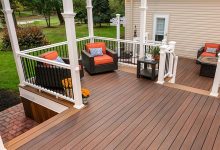
- Patios and Decks: These surfaces provide a solid foundation for furniture and activities. Materials like composite decking, stone, or stamped concrete can enhance durability and style.
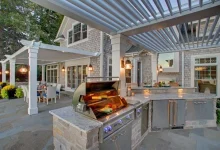
- Outdoor Kitchens: A fully equipped outdoor kitchen can elevate outdoor dining experiences, featuring grills, countertops, and storage options to accommodate culinary adventures.
- Fire Pits and Fireplaces: These features add warmth and ambiance, making outdoor spaces usable year-round. They also become focal points for gatherings, fostering a cozy atmosphere.
- Landscaping: Thoughtfully designed gardens with native plants can beautify outdoor spaces, creating a serene environment while supporting local wildlife.
- Lighting: Strategic outdoor lighting, such as string lights or built-in fixtures, enhances safety and sets the mood during evening gatherings.
- Water Features: Elements like fountains or ponds can introduce a sense of tranquility and serve as stunning visual focal points.
“An outdoor living space should reflect the homeowner’s personality while being functional and inviting.”
Energy Efficiency
Energy efficiency is becoming a paramount consideration in the design of new construction homes. With rising energy costs and increasing awareness about environmental sustainability, homebuyers are more inclined to invest in properties that not only look good but also save on energy consumption. The exterior design of a home plays a crucial role in enhancing its energy efficiency, blending functionality with aesthetic appeal.Incorporating energy-efficient design elements can drastically reduce a home’s carbon footprint and lower utility bills.
Key components include strategically placing windows, using high-quality insulation, and installing solar panels. By optimizing these elements, builders can create homes that are not only visually appealing but also environmentally responsible.
Role of Windows, Insulation, and Solar Panels
The selection and placement of windows significantly impact the energy efficiency of a home. Modern windows, especially those with double or triple glazing, help to maintain indoor temperatures by minimizing heat transfer. This means that during the summer, cool air is retained, while in winter, warmth is kept inside. The orientation of windows can further enhance natural lighting, reducing the need for artificial light during the day.Insulation is another critical factor in energy-efficient home design.
Proper insulation in walls, roofs, and even foundations prevents heat from escaping during colder months and keeps homes cool in the summer. Materials such as spray foam, cellulose, and fiberglass are popular choices that provide excellent thermal resistance. Using these materials not only contributes to comfort but also ensures that heating and cooling systems work less, thus consuming less energy.Solar panels have emerged as a leading solution for homeowners looking to harness renewable energy.
Installing photovoltaic panels on rooftops allows homes to generate their own electricity, reducing reliance on the grid. In sunny regions, this can lead to significant cost savings over time. The integration of solar panels can be designed to complement the home’s exterior, providing a sleek and modern appearance while delivering powerful energy benefits.
When considering the aesthetics of energy-efficient designs, it’s essential to balance functionality with style. This includes:
- Choosing materials that are not only durable but also visually appealing, such as reclaimed wood or modern composites.
- Incorporating green roofs or living walls that enhance insulation while providing a natural look.
- Using exterior colors that reflect rather than absorb heat, contributing to lower cooling costs.
- Designing outdoor spaces that maximize sun exposure for passive solar heating during winter.
Landscaping Trends
Landscaping plays a pivotal role in enhancing the overall exterior design of new construction homes. It not only complements the architectural features but also creates a welcoming environment that blends seamlessly with nature. With the right landscaping choices, homeowners can significantly increase curb appeal, improve property value, and foster a sense of tranquility and connection to the outdoors.The integration of landscaping into modern home designs incorporates both aesthetic and functional elements.
Popular plants and design techniques aim to reflect contemporary lifestyle preferences that favor sustainability and low maintenance. Homeowners are increasingly opting for plants that require less water and are resilient to local climate conditions.
Popular Plants and Design Techniques
Selecting the right plants is crucial for achieving a modern landscape that requires minimal upkeep while maximizing visual impact. The following are popular choices and design techniques in landscaping for new construction homes:
- Native Plants: Utilizing native species ensures that the landscape thrives in its environment, reduces the need for excessive watering, and supports local wildlife.
- Succulents and Drought-Resistant Plants: These plants are increasingly favored for their ability to withstand dry conditions while providing stunning visuals.
- Vertical Gardens: Ideal for small spaces, vertical gardens combine aesthetics with functionality, allowing for creative plant arrangements that save ground space.
- Seasonal Color Swaps: Incorporating a mix of perennials and annuals allows for vibrant colors throughout the year, enhancing the exterior’s appeal in all seasons.
In terms of design techniques, homeowners are embracing structured layouts that emphasize clean lines and geometric shapes. The use of raised beds and container gardening is not only practical but also adds depth and dimension to the landscape.
Importance of Hardscaping
Hardscaping is an essential component of modern landscaping that involves the use of non-plant materials to enhance the exterior features of a home. It provides a foundation on which the soft elements of landscaping can flourish and serves several critical functions.One of the primary benefits of hardscaping is its ability to create functional outdoor spaces for relaxation and entertainment. Features such as patios, walkways, and retaining walls help define outdoor areas, making them inviting and practical.
“Hardscaping lays the groundwork for landscaping, providing structure and enhancing outdoor aesthetics.”
Additionally, hardscaping can significantly reduce soil erosion and water runoff, contributing to more sustainable landscaping practices. Here are some commonly used hardscaping elements:
- Patios: These paved areas are perfect for outdoor furniture and activities, serving as an extension of the living space.
- Walkways: Well-designed paths guide visitors and enhance the flow between different areas of the landscape.
- Retaining Walls: These structures not only add visual interest but also help manage soil levels, making sloped areas more usable.
- Fire Pits: A popular feature for modern backyards, fire pits create a cozy atmosphere for gatherings and can be constructed from various materials.
Incorporating these elements into landscaping not only elevates the overall design of new construction homes but also enhances their functionality and sustainability, creating versatile outdoor spaces that homeowners can enjoy for years to come.
Technology Integration
The influence of technology on exterior house design is undeniable, shaping both aesthetics and functionality in modern construction. As smart technology continues to evolve, it has become integral to how homes are designed, especially their outer facades. Homeowners today seek not just beauty but also enhanced convenience and security, and technology provides the perfect solution. One of the most significant ways technology is impacting exterior house designs is through the integration of smart home features.
These features not only elevate the visual appeal of a home but also enhance its functionality, making everyday living more efficient.
Smart Home Features
Smart home technology refers to devices and systems that can be controlled remotely or programmed to operate automatically. These features provide increased control and convenience for homeowners. The following are examples of popular smart home features that are transforming exterior house designs:
- Smart Security Systems: These include smart cameras, doorbells, and locks that allow homeowners to monitor their property’s security remotely, providing peace of mind. For example, systems like Ring or Arlo provide real-time notifications and video feeds to smartphones.
- Automated Blinds and Shades: Exterior shading solutions can be programmed to open or close based on the sun’s position, improving energy efficiency while adding a modern touch to the facade.
- Smart Irrigation Systems: These systems adjust watering schedules based on weather conditions, promoting sustainable landscaping and reducing water waste.
Integrating these smart features into exterior designs not only enhances the functionality of the home but also complements its overall aesthetic.
Innovative Exterior Lighting Solutions
The advancement of technology has led to remarkable innovations in exterior lighting solutions, transforming how homes appear at night and improving safety. Smart lighting can significantly enhance curb appeal while providing practical benefits. Key examples of these innovative solutions include:
- LED Landscape Lighting: Energy-efficient and long-lasting, LED lights can be placed strategically to highlight architectural features or landscaping, providing a beautiful nighttime ambiance.
- Smart Outdoor Lighting: With options such as motion detectors and programmable timers, homeowners can control their outdoor lighting via smartphone apps, ensuring that lights are on when needed and off when not.
- Color-Changing Lights: These allow homeowners to change the color of their outdoor fixtures based on mood or occasion, making it easy to create festive atmospheres for events.
By incorporating these cutting-edge technologies, homeowners not only improve the visual charm of their houses but also ensure a functional and secure living space.
Community and Environment Considerations
In today’s world of new construction homes, it is essential to design houses that respect and reflect the character of their surrounding communities. This approach not only enhances the aesthetic value of neighborhoods but also fosters a sense of belonging and pride among residents. With increasing awareness of environmental issues, integrating sustainable practices into exterior designs is paramount, ensuring homes are harmonious with both their community context and the natural environment.Designing homes that fit within their community context involves more than just replicating local architectural styles; it requires an understanding of the unique cultural, historical, and social dynamics that define each neighborhood.
When exterior designs consider environmental impact and local styles, they can significantly enhance the community feel and promote sustainability. Thoughtful designs often incorporate local materials, colors, and landscaping that resonate with existing structures, creating a cohesive look and feel across the neighborhood.
Community-Friendly Design Elements
Integrating community-friendly design elements can amplify neighborhood cohesion and promote a sense of unity. Here are some key aspects to consider when designing exteriors of new homes:
- Use of Local Materials: Selecting materials sourced from the local area not only supports local economies but also ensures that new constructions blend seamlessly with their surroundings. For example, in regions like New England, the use of local granite or timber can enhance the architectural integrity of new homes.
- Architectural Styles: Adopting architectural styles that are prevalent in the area, such as Craftsman, Colonial, or Mediterranean, helps maintain visual consistency. For instance, in Southern California, many new homes feature stucco exteriors and tile roofs, which mirror the traditional designs of the region.
- Landscaping Choices: Incorporating native plants into landscaping not only reduces water usage but also attracts local wildlife, contributing to the ecological balance. For example, using drought-resistant plants in arid climates promotes sustainability and reduces maintenance efforts.
- Community Gathering Spaces: Designing outdoor spaces such as porches, patios, or gardens encourages interaction among neighbors. For example, a shared green space or community garden can become a focal point for social activities, fostering a stronger community bond.
- Energy-Efficient Features: Including solar panels, green roofs, and energy-efficient windows in exterior designs can reduce the environmental footprint of new homes. These features not only benefit the homeowner through reduced energy costs but also contribute positively to the community’s overall energy consumption and environmental impact.
Thoughtful design not only enhances the beauty of a neighborhood but also nurtures community ties and environmental stewardship.
By focusing on these elements, home builders and designers can create spaces that not only fulfill individual needs but also contribute positively to the larger community and environment. This holistic approach to exterior design fosters a more connected and sustainable living environment for all residents.
Closure: Exterior House Design Trends For New Construction Homes
In conclusion, the discussion around Exterior House Design Trends For New Construction Homes highlights the dynamic nature of home design today. With a focus on popular styles, eco-friendly materials, and outdoor living integration, homeowners have more opportunities than ever to create their dream spaces that are both visually stunning and practical. As trends continue to evolve, embracing these innovations will not only enhance the individual beauty of homes but also contribute to a more sustainable and harmonious living environment within communities.
FAQ Resource
What are the most popular exterior styles for new homes?
Popular styles include contemporary, modern, and traditional designs, each reflecting unique architectural features and materials.
How can I choose a sustainable material for my home?
Look for materials that are locally sourced, recycled, or have a low environmental impact, such as bamboo or reclaimed wood.
What color schemes are trending for home exteriors?
Trending colors for 2023 include earthy tones, soft pastels, and bold contrasts, each offering different psychological effects.
How important are outdoor living spaces in new construction?
Outdoor living spaces are crucial as they enhance functionality, provide additional leisure areas, and increase overall home value.
What role does technology play in exterior design?
Technology enhances design through smart home features, innovative lighting solutions, and energy-efficient installations that improve both aesthetics and functionality.
How can landscaping impact my home’s exterior design?
Landscaping significantly boosts curb appeal and can complement or highlight the architectural elements of a home, making it look more cohesive.
What factors should I consider for community-friendly designs?
Consider local architectural styles, the environmental impact of materials, and designs that promote neighborly interaction and community cohesion.