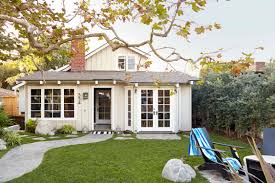
Exterior Home Maintenance Tips To Protect Your Investment
Exterior Home Maintenance Tips To Protect Your Investment is not just a catchy phrase; it is a vital approach to safeguarding your property. Maintaining your home’s exterior is essential for preserving its value and avoiding potentially costly repairs that can arise from neglect. By staying proactive with maintenance tasks, you can ensure your home looks great and remains functional through all seasons.
This guide Artikels the significance of regular exterior maintenance, from seasonal checklists to specific care for roofs, siding, and outdoor spaces. With practical tips and expert insights, you’ll learn how to efficiently protect your investment and enhance the beauty and safety of your home.






Importance of Exterior Home Maintenance
Exterior home maintenance plays a vital role in preserving the integrity and value of your property. Regular upkeep not only enhances the aesthetic appeal of your home but also extends the lifespan of various components, from roofing to siding. A well-maintained exterior serves as the first line of defense against the elements, helping to prevent damage that can escalate into costly repairs down the road.Neglecting exterior maintenance can lead to significant consequences.
Over time, small issues like peeling paint or cracked siding can develop into serious problems, such as water damage, mold growth, or structural issues. For instance, a minor roof leak might seem insignificant initially, but if left unattended, it can lead to extensive water damage and require the entire roof to be replaced. This illustrates why proactive measures are essential in protecting your investment.
Consequences of Neglecting Maintenance Tasks
Understanding the potential ramifications of neglecting exterior home maintenance can emphasize its importance. Here are several key consequences to consider:
- Decreased Property Value: A home that shows signs of neglect can deter potential buyers, leading to a drop in market value.
- Increased Repair Costs: Addressing issues early can save homeowners from more extensive and expensive repairs in the future.
- Health Issues: Mold and mildew can thrive in poorly maintained areas, posing health risks to occupants.
- Energy Inefficiency: Cracked windows or doors and poor insulation can lead to increased energy costs due to heating and cooling loss.
Regular exterior maintenance acts as a preventive measure against these consequences. By conducting routine inspections and timely repairs, homeowners can safeguard their investment and promote a comfortable living environment.
Benefits of Regular Upkeep
Engaging in regular exterior maintenance offers numerous advantages that contribute to long-term property care. The following points Artikel the key benefits:
- Extends Lifespan of Materials: Routine maintenance can prolong the life of roofing, siding, and decks, delaying the need for replacement.
- Enhances Curb Appeal: A well-maintained exterior boosts the aesthetic value of your home, making it more inviting and visually appealing.
- Prevents Pest Infestations: Regular checks along with proper sealing of openings can deter pests from invading your home.
- Improves Safety: Maintaining walkways, railings, and outdoor lighting can reduce hazards and prevent accidents.
Investing time and resources in exterior maintenance ultimately pays off. Homeowners who prioritize upkeep not only enjoy a visually appealing home but also create a safer and more efficient living environment for their families.
Seasonal Maintenance Checklist
Maintaining the exterior of your home is essential in preserving its value and ensuring your comfort. A seasonal maintenance checklist helps homeowners stay on top of important tasks, preventing costly repairs down the line. Seasonal maintenance not only protects your investment but also enhances curb appeal and prolongs the life of your home’s exterior components.A well-structured checklist can make these tasks more manageable and ensure nothing is overlooked.
Seasonal changes bring different challenges, requiring specific maintenance actions to keep your home in optimal condition. Below is a comprehensive checklist organized by season, each paired with a brief explanation of why the task is vital.
Spring Maintenance Tasks
Spring is the perfect time for homeowners to inspect the home after winter’s wear and tear. The following tasks will promote a healthy environment and prepare your home for the warmer months ahead:
- Inspect and clean gutters and downspouts to prevent water damage.
- Check the roof for any missing or damaged shingles.
- Examine siding for cracks or damage that could lead to moisture intrusion.
- Clean windows and inspect seals to improve energy efficiency.
- Service outdoor equipment like lawnmowers and patio furniture.
Summer Maintenance Tasks
Summer maintenance focuses on preserving outdoor spaces and making them enjoyable. Completing these tasks ensures that your home remains functional and beautiful during the hotter months.
- Inspect and maintain your deck or patio for safety and aesthetics.
- Trim trees and shrubs to promote healthy growth and prevent hazards.
- Check and refresh exterior paint and finishes to protect against UV damage.
- Clean and inspect outdoor appliances, including grills and fire pits.
Autumn Maintenance Tasks
As the leaves fall and temperatures drop, autumn is ideal for preparing your home for winter. Completing these tasks helps mitigate any issues that might arise in harsher conditions.
- Rake leaves to prevent mold growth and lawn suffocation.
- Winterize outdoor faucets and irrigation systems to prevent freezing.
- Inspect windows and doors for drafts and apply weather stripping as needed.
- Clean gutters to ensure proper drainage during winter rains.
Winter Maintenance Tasks
While winter can slow down outdoor maintenance, it’s critical to ensure that your home is prepared for severe weather. Taking the time to complete these tasks can prevent significant damage and costly repairs.
- Inspect and maintain heating systems to ensure efficiency.
- Check insulation in the attic and basement to save energy.
- Clear snow from walkways and roof edges to prevent ice dams and accidents.
- Monitor for ice buildup on driveways and pathways.
Keeping track of completed maintenance tasks can be beneficial in ensuring nothing is neglected. Homeowners can use traditional methods like printed checklists or go digital with apps designed for home maintenance. A simple calendar reminder system can also prompt you to complete tasks at the right time each year. Whichever method you choose, the key is consistency and thoroughness to protect your investment over time.
Roof Maintenance Tips
Maintaining your roof is essential for preserving the integrity of your home. A well-cared-for roof not only enhances your property’s curb appeal but also protects your investment from the elements. Regular maintenance can help you identify potential issues early, saving you time and money in the long run.Inspecting your roof regularly can help you catch common problems before they escalate.
Look for missing shingles, leaks, or signs of sagging. Early detection can prevent significant damage that could lead to costly repairs. Additionally, keeping your roof clean is crucial. Debris accumulation can lead to mold growth and hinder proper drainage, which ultimately affects your roof’s lifespan.
Common Roof Issues and How to Spot Them Early
Identifying roof problems early is key to avoiding bigger issues down the road. Here are some common roof issues to be aware of:
- Missing or Damaged Shingles: Regularly inspect your shingles for any that are cracked, curled, or missing entirely. These can lead to leaks and further damage if not addressed promptly.
- Leaks: Look for water stains on your ceilings or walls, which can indicate roof leaks. The earlier you find a leak, the easier it is to repair.
- Sagging Roof Deck: A sagging roof is a sign of serious structural issues. If you notice any sagging, it’s crucial to get a professional evaluation immediately.
- Moss and Algae Growth: These can trap moisture, leading to deterioration. If you see moss, consider cleaning it off to prevent long-term damage.
Best Practices for Cleaning and Inspecting Roofs
Regular cleaning and inspections are essential for maintaining a healthy roof. Here are best practices to follow:
- Schedule Biannual Inspections: Check your roof at least twice a year, preferably in spring and fall, to catch issues before they become worse.
- Clear Debris: Remove leaves, branches, and other debris from your roof and gutters to ensure proper drainage.
- Use a Soft Brush: When cleaning, use a soft brush to avoid damaging shingles. High-pressure washers can strip away granules and cause harm.
- Check Flashing: Inspect the metal flashing around chimneys, vents, and skylights for rust or damage to prevent leaks.
Importance of Hiring Professional Help Versus DIY Methods
While some homeowners may consider tackling roof maintenance on their own, hiring a professional can often be more beneficial. Here are some key points to consider:
- Expertise: Professionals have the training and experience to spot issues that an untrained eye might overlook. Their expertise can mean the difference between a minor fix and a major repair.
- Safety: Roof work can be dangerous. Professionals are equipped with the right safety gear and know-how to navigate rooftops safely.
- Warranty and Insurance: Many professionals offer warranties on their work, giving you peace of mind. Additionally, they carry liability insurance that protects you from accidents that may occur during maintenance.
- Cost-Effectiveness: Although hiring a professional may seem more expensive initially, the long-term savings from avoiding major repairs can make it worthwhile.
“Regular maintenance and inspections can significantly extend the lifespan of your roof and save you money in the long run.”
Siding Care and Maintenance
Maintaining your home’s siding is crucial not only for aesthetics but also for the longevity and efficiency of your property. Different siding materials require specific cleaning and maintenance methods, ensuring they remain in good condition and can withstand various weather conditions. Regular inspection and maintenance can help prevent costly repairs and improve your home’s energy efficiency.
Steps for Cleaning Different Types of Siding Materials
To keep your siding looking great, it’s important to know how to clean various materials properly. Below are effective methods for cleaning some of the common siding types:
- Vinyl Siding: Use a mixture of water and mild detergent, applying it with a soft-bristle brush. Rinse thoroughly with a garden hose. For tough stains, a solution of vinegar and water can be effective.
- Wood Siding: Clean with a solution of water and gentle soap. Use a soft brush to avoid damaging the wood. It’s also advisable to apply a wood preservative every few years to protect against moisture and insects.
- Fiber Cement Siding: A power washer set to a low pressure can effectively clean this type. If needed, use a mild detergent, making sure to follow the manufacturer’s guidelines to avoid damage.
- Stucco Siding: Use a soft brush and a solution of water and detergent. A garden sprayer can help reach higher areas. Avoid power washing as it can cause damage.
Tips for Inspecting Siding for Damage and Potential Repairs
Regular inspections can catch issues early, preventing minor problems from turning into significant repairs. Here are some tips for assessing your siding:
- Look for cracks, warping, or discoloration, which can indicate damage or wear.
- Check for loose or missing panels, especially after severe weather. Replace any affected panels promptly.
- Inspect for mold or mildew, which can suggest moisture retention and potential rot, particularly in wood siding.
- Examine the area around windows and doors for gaps, which can lead to water intrusion and further damage.
Impact of Siding Maintenance on Energy Efficiency
Proper siding maintenance plays a significant role in your home’s energy efficiency. Well-maintained siding can prevent air leaks and improve insulation, leading to reduced energy costs. Here are some significant impacts:
- Proper sealing of siding helps maintain your home’s temperature, reducing the need for heating and cooling systems.
- Regular maintenance prevents deterioration that can lead to increased energy loss, such as gaps that allow drafts to enter.
- Investing in quality siding materials and maintaining them can enhance your home’s energy rating, potentially increasing property value.
“Regular siding maintenance is essential not just for appearance but significantly impacts energy efficiency and long-term home value.”
Window and Door Upkeep
Maintaining your windows and doors is essential not only for aesthetic appeal but also for enhancing energy efficiency and prolonging the life of your home. Regular upkeep helps in preventing costly repairs and can significantly reduce energy bills by ensuring that your home remains well-insulated and secure.
Cleaning and Maintaining Windows and Doors
Regular cleaning of windows and doors is crucial for both functionality and appearance. Dust, grime, and moisture can lead to deterioration over time. To keep them in top shape, use a mixture of mild soap and water with a soft cloth or sponge. For glass surfaces, a vinegar solution can work wonders in eliminating streaks and enhancing clarity. Wooden doors may require specific care; apply a suitable wood conditioner to prevent drying and cracking.
For metal frames, a gentle cleaning solution can be used to remove rust or corrosion spots.
Checking for Drafts
Identifying drafts is an important step in maintaining energy efficiency. One effective method is to perform a “light test.” On a windy day, close all windows and doors, then check around the edges with a candle or a flashlight. If the flame flickers or the light seeps through, it indicates a gap that requires sealing.Another useful technique is the use of a smoke pencil or incense stick.
Moving it along the edges will help visualize any air movement that signals a draft.
Sealing Gaps Effectively
Once drafts are identified, sealing them can be achieved through several methods. Weather stripping is a popular option for gaps around windows and doors. Choose adhesive-backed strips for easy installation and consider different materials based on the climate in your area.Caulking is another effective method for sealing gaps. It works well for stationary components and can be applied in areas where two surfaces meet.
Be sure to select a high-quality caulk suited for outdoor use to withstand the elements.
Benefits of Regular Inspection
Conducting regular inspections of your windows and doors offers numerous benefits. By proactively checking for cracks, gaps, or signs of wear, homeowners can address issues before they escalate into more serious problems. This not only enhances the longevity of your windows and doors but also contributes to significant energy savings.For instance, homes with well-maintained windows can save up to 15% on heating and cooling costs annually.
Regular upkeep leads to improved insulation, reducing the strain on heating and cooling systems, which ultimately translates into lower utility bills.
Landscaping and Exterior Aesthetics
Landscaping plays a crucial role in enhancing the exterior appeal of a home. An inviting landscape not only increases the value of your property but also creates a welcoming environment for you and your guests. By carefully selecting plants and designing your outdoor space, you can achieve a stunning aesthetic that complements your home’s architecture.Maintaining trees and shrubs near your house is essential for both aesthetic appeal and safety.
Overgrown branches can pose a threat to your roof and windows, while well-kept greenery enhances your home’s curb appeal. Regular trimming and pruning will prevent damage and ensure that your plants remain healthy and vibrant throughout the seasons. Creating a balanced landscape design should consider plant placement and maintenance needs to create a harmonious space that also serves functional purposes.
Low-Maintenance Plants for Home Exteriors
Opting for low-maintenance plants ensures your landscape remains beautiful without requiring excessive time and effort. Here are some exemplary plants that thrive with minimal care:
- Hostas: These hardy perennials flourish in shade and require little more than occasional watering and fertilization.
- Daylilies: Known for their resilience, these vibrant flowers bloom year after year, requiring minimal upkeep.
- Sedums: Succulent varieties of sedums are drought-tolerant and can thrive in rocky or poor soil conditions.
- Ornamental Grasses: These plants add texture and movement to your landscape while needing very little attention.
- Lavender: Not only does it provide a pleasant fragrance, but it’s also drought-resistant and attracts pollinators.
Incorporating these plants into your landscape design can provide visual interest and reduce the amount of time spent on maintenance. The key to a successful low-maintenance garden is to select native plants that are well-suited for your climate and soil type, thereby ensuring they thrive with minimal effort.
“Choosing the right plants for your landscape can save time, money, and effort while enhancing your home’s beauty.”
Driveway and Walkway Maintenance: Exterior Home Maintenance Tips To Protect Your Investment
Maintaining your driveway and walkways is crucial for both aesthetics and functionality. These surfaces not only contribute to your home’s curb appeal but also play a significant role in ensuring safe access to your property. Neglecting maintenance can lead to costly repairs and even safety hazards. Identifying common issues with driveways and walkways helps in timely intervention. Cracks, stains, and uneven surfaces are typical problems that can arise due to weather conditions, heavy traffic, or poor drainage.
Addressing these issues early can prevent them from worsening and protect your investment.
Common Issues and Solutions
Understanding the common issues that afflict driveways and walkways is essential for effective maintenance. Here are some prevalent problems and their corresponding solutions:
- Cracks: Small cracks can expand over time due to temperature fluctuations and moisture. Filling these cracks with a high-quality sealant can prevent further damage.
- Stains: Oil, grease, and other substances can leave unsightly marks. A mixture of soap and warm water, along with a stiff brush, can effectively remove these stains.
- Uneven Surfaces: Settling ground can cause walkways to become uneven. Leveling these surfaces might require professional help, or you can use a concrete resurfacer to smooth things out yourself.
- Weed Growth: Weeds can penetrate cracks and joints. Regularly applying a weed killer and ensuring proper sealing can keep your surfaces free from unwanted vegetation.
Step-by-Step Guide for Cleaning and Sealing Surfaces
A clean and well-sealed driveway or walkway enhances appearance and longevity. Follow this step-by-step guide to perform effective cleaning and sealing.
1. Clear the Area
Remove any furniture, debris, or plants from the surface.
2. Sweep Thoroughly
Use a broom or leaf blower to eliminate dirt and loose debris.
3. Wash the Surface
Utilize a pressure washer for deep cleaning, especially for stubborn stains. If a pressure washer is not available, a hose with a scrub brush and mild detergent will suffice.
4. Repair Damage
Fill cracks and holes with appropriate fillers, allowing them to dry completely.
5. Seal the Surface
Apply a quality sealant using a roller or sprayer, ensuring an even coat over the entire surface. This protects against moisture and stains.
6. Let it Cure
Allow the sealant to cure as per the manufacturer’s instructions, usually 24-48 hours, before using the surfaces.
Importance of Proper Drainage
Proper drainage is vital for the longevity of driveways and walkways. Without adequate drainage, water can accumulate, leading to erosion and structural failure over time.
“Investing in proper drainage solutions can save homeowners significant repair costs in the long run.”
To ensure effective drainage:
Grade the Area
Ensure the surface is sloped away from the house to direct water flow.
Install Drainage Systems
Consider French drains or surface drains in areas where water tends to pool.
Regularly Clean Gutters
Keeping gutters clear prevents overflow that can affect adjacent driveways and walkways.By implementing these maintenance tips, you can significantly enhance the durability and appearance of your driveway and walkways, thereby protecting your home investment.
Outdoor Living Spaces
Creating and maintaining outdoor living spaces not only enhances the aesthetic appeal of your home but also increases its overall value. A well-maintained deck or patio can serve as a perfect gathering spot for family and friends, making your outdoor area a true extension of your living space. Regular maintenance and smart design choices are key to ensuring that these areas remain inviting and functional through the seasons.
Deck and Patio Maintenance Tasks
To keep your deck or patio in top condition, regular maintenance is essential. Different materials require specific care, so understanding what your outdoor space is made of will guide your maintenance routine. Here are some vital tasks to consider:
- Cleaning: Regularly sweep and wash your deck or patio to remove dirt, debris, and mildew. For wooden decks, a gentle scrub with a mild soap solution and a soft brush can prevent fading and deterioration.
- Sealing and Staining: Wooden decks should be sealed every couple of years to protect against moisture and UV damage. Choose a stain that matches your aesthetic preference while providing durability.
- Checking for Damage: Inspect boards and support beams for rot or damage. Promptly replace any compromised sections to maintain safety and extend the life of your deck.
- Weed Control: Keep the edges of your patio weed-free. Use landscaping fabric or mulch to suppress weed growth in adjacent garden beds.
Furniture Care and Off-Season Storage
Taking care of your outdoor furniture is crucial for maximizing its lifespan. Seasonal changes can take a toll, so proper care and storage solutions are necessary.
- Cleaning: Before storing, clean all furniture thoroughly. Use a soft cloth and appropriate cleaner to remove any accumulated grime or sticky residue.
- Protective Covers: Invest in high-quality covers to shield your outdoor furniture from the elements. These can prevent fading and protect against moisture damage.
- Storage: If possible, store cushions and smaller furniture indoors during off-seasons. For larger items, ensure they are securely covered and positioned to avoid pooling water or debris buildup.
Creating a Durable Outdoor Living Area
The construction of a durable outdoor space begins with thoughtful planning and quality materials. Here are some ideas that increase the longevity of your outdoor living area:
- Quality Materials: Opt for high-grade woods, composite materials, or stone that can withstand weather and wear. For instance, composite decking is both durable and low-maintenance.
- Proper Drainage: Design your patio or deck with proper drainage to avoid water accumulation. This minimizes the risk of mold and structural damage.
- Incorporate Shade: Adding a pergola, umbrella, or awning can shield your outdoor space from harsh sunlight, reducing furniture fading and heat damage.
- Versatile Design: Consider modular furniture that can be rearranged as needed. This flexibility allows you to adapt your space for different occasions while minimizing wear on specific areas.
“Investing in your outdoor living space is not just about aesthetics; it’s about enhancing your lifestyle and ensuring your home remains a cherished retreat.”
Exterior Home Safety Measures
Maintaining the safety of your home’s exterior is a crucial part of homeownership. Regular inspections and thoughtful enhancements can protect not only your investment but also the well-being of your family and guests. Implementing safety measures is not just about aesthetics; it’s about creating a secure environment.
Regular Safety Inspections
Performing safety inspections on a regular basis is essential for identifying potential hazards before they become serious issues. These inspections should include:
- Roof Inspection: Check for loose or missing shingles, leaks, and any signs of water damage. An intact roof protects the interior from weather-related damage.
- Gutter Maintenance: Ensure that gutters are free from debris and functioning properly to prevent water pooling and foundation damage.
- Foundation Checks: Look for cracks or shifts in the foundation which might lead to structural issues over time.
- Exterior Walls: Inspect for cracks, peeling paint, or signs of pest infestation that could compromise the integrity of the walls.
- Windows and Doors: Ensure that all windows and doors open, close, and lock securely to enhance home security.
Exterior Lighting Options
Proper lighting significantly enhances the safety of your home by deterring intruders and improving visibility. Here’s a list of effective exterior lighting options:
- Motion Sensor Lights: Automatically illuminate upon detecting movement, providing security without needing to remember to turn them on.
- Pathway Lights: Improve visibility along walkways and driveways, reducing the risk of accidents and falls.
- Flood Lights: Bright lights that can cover a large area, perfect for illuminating yards and entrances.
- Solar Lights: Eco-friendly options that require no wiring and charge during the day to provide lighting at night.
- Wall-mounted Lights: These can add both security and decorative appeal to entrances and outdoor living spaces.
Fence and Gate Maintenance, Exterior Home Maintenance Tips To Protect Your Investment
Fences and gates are essential for both security and privacy. Regular maintenance can ensure they serve their purpose effectively. Important points to consider include:
- Inspecting for Damage: Check for rotting wood, rusting metal, or broken panels that could weaken the structure.
- Reinforcing Hinges and Locks: Ensure that gates open and close smoothly and that locks are functioning properly for enhanced security.
- Regular Painting or Staining: Protect wood fences from the elements by applying a fresh coat of paint or stain regularly.
- Trimming Vegetation: Keep foliage trimmed back from fences and gates to prevent hidden access points for intruders.
Budgeting for Maintenance
Creating a solid budget plan for exterior home maintenance is essential for protecting your investment and ensuring your home remains in great shape. A well-thought-out budget allows homeowners to anticipate costs, allocate funds effectively, and minimize financial stress when unexpected repairs arise.Setting aside funds for unexpected repairs is a crucial part of home maintenance budgeting. Even with a proactive approach to upkeep, unforeseen issues like storm damage, plumbing leaks, or roof repairs can emerge.
Establishing a contingency fund helps homeowners avoid financial strain and allows for prompt attention to these necessary repairs, preserving the integrity of the home.
Creating an Annual Maintenance Budget
When developing your annual maintenance budget, consider the following components that contribute to the overall costs of maintaining your home’s exterior:
- Routine Maintenance: Regular tasks such as painting, gutter cleaning, and landscaping should be factored into your budget. For example, an average exterior paint job might cost between $2,000 to $5,000 every five to ten years, depending on the size of your home.
- Seasonal Preparation: Allocate funds for seasonal tasks, like winterizing your property or preparing for the summer heat. This might include expenses for insulation, HVAC servicing, or pool maintenance.
- Emergency Repairs: Set aside approximately 1% to 3% of your home’s value annually for unexpected repairs. For instance, if your home is valued at $300,000, aim to save between $3,000 and $9,000 each year.
Establishing categories like these helps create a comprehensive view of expected costs, ensuring you’re prepared for both routine maintenance and emergencies.
Prioritizing Maintenance Tasks
Understanding the urgency and cost of maintenance tasks is essential for effective budgeting. Prioritizing these tasks can help homeowners make informed decisions about where to allocate their resources. Here are some methods to prioritize home maintenance:
- Assessing Urgency: Evaluate which tasks are most critical to the safety and functionality of your home. For example, a leaking roof should take precedence over repainting the exterior.
- Cost-Benefit Analysis: Consider the long-term savings associated with certain maintenance tasks. Regularly servicing your HVAC system can prevent costly breakdowns and extend its lifespan.
- Visual Inspections: Regularly inspect your home for signs of wear and tear. Identifying issues early can prevent more extensive damage and help you plan your budget accordingly.
By using these methods, homeowners can create a prioritized list of maintenance tasks that not only protects their investment but also aligns with their financial capabilities.
“A proactive approach to budgeting for home maintenance can save homeowners significant amounts of money over time.”
Final Wrap-Up
In conclusion, by implementing the Exterior Home Maintenance Tips To Protect Your Investment, you’re not just preserving your home’s aesthetic appeal; you’re also enhancing its longevity and value. Regular upkeep, seasonal tasks, and mindful budgeting can lead to substantial savings in the long run. Remember, a well-maintained exterior is the first step to a happy and safe home.
General Inquiries
How often should I maintain my home’s exterior?
It’s advisable to perform a thorough inspection and maintenance at least twice a year, ideally in spring and fall, to address any seasonal wear and tear.
What are the signs that my roof needs repair?
Signs include missing shingles, leaks in the attic, and visible sagging or damage. It’s best to have any issues assessed by a professional.
Can I do exterior maintenance myself?
Many tasks can be DIY, like cleaning gutters or painting, but for significant repairs or inspections, hiring a professional is recommended to ensure safety and effectiveness.
How does landscaping impact home value?
Good landscaping can significantly enhance curb appeal and increase home value, making it an important aspect of exterior maintenance.
What budget should I allocate for exterior maintenance?
A general rule is to set aside 1-3% of your home’s value annually for maintenance, accounting for regular upkeep and unexpected repairs.