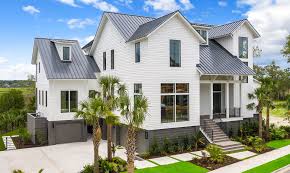
Best Roofing Materials For Energy Efficient Homes
Best Roofing Materials For Energy Efficient Homes offers a glimpse into the vital role roofing plays in enhancing energy efficiency for households. As energy consumption continues to rise, understanding how roofing materials can impact overall energy usage has never been more critical. From traditional options to innovative solutions, let’s explore the materials that not only protect our homes but also contribute to significant energy savings.
In today’s world, energy-efficient roofing materials are not just a trend; they are a necessity. Homeowners are increasingly seeking ways to reduce their energy bills and carbon footprint, and the right roofing material can make a substantial difference. By examining various types of roofing materials, their benefits, and the technologies behind them, we can determine the best choices for promoting sustainability and efficiency in our homes.




Introduction to Energy Efficiency in Roofing
Energy-efficient roofing materials play a crucial role in enhancing the overall energy efficiency of homes. With rising energy costs and a growing emphasis on sustainable living, homeowners are increasingly aware of how their roofing choices can impact their energy consumption. A well-designed roof not only protects the structure but also contributes significantly to reducing heating and cooling expenses.Homes are major energy consumers, with a significant portion of this usage attributed to heating and cooling systems.
According to the U.S. Department of Energy, roughly 30% of a home’s energy usage can be attributed to heat loss through the roof. This statistic highlights the importance of selecting roofing materials that can reflect heat and insulate effectively. Energy-efficient roofing minimizes reliance on HVAC systems, leading to lower energy bills and a reduced carbon footprint.
Impact of Roofing on Home Energy Efficiency
The role of roofing in energy efficiency extends beyond mere material choice; it encompasses various factors that contribute to a home’s thermal performance. These include the roofing material’s color, reflective properties, and insulation capabilities. Energy-efficient roofs can significantly lower indoor temperatures, particularly in hot climates. For example, reflective roofs, often made from materials like metal or certain types of shingles, can reduce heat absorption by up to 50%.
This not only enhances comfort but also decreases air conditioning demands. Furthermore, proper insulation in conjunction with energy-efficient roofing materials can lead to long-term savings. The Energy Star program reports that appropriate roofing can save homeowners between $200 to $500 annually in energy costs, depending on geographic location and home specifications.Innovative roofing technologies have emerged as well, such as integrated solar roofing systems and cool roofs that can convert sunlight into electricity while reflecting heat away.
These advancements not only promote energy efficiency but also appeal to environmentally conscious homeowners seeking to reduce their impact on the planet.Overall, selecting energy-efficient roofing materials is a strategic investment for homeowners, balancing comfort, cost savings, and environmental responsibility.
Types of Energy-Efficient Roofing Materials
When it comes to enhancing energy efficiency in homes, the choice of roofing materials plays a critical role. Energy-efficient roofing materials not only help in reducing energy costs but also contribute to better indoor comfort and environmental sustainability. This segment will explore various types of energy-efficient roofing materials available in the market today.The market offers a diverse selection of roofing materials, each with unique properties that contribute to energy efficiency.
Understanding these options is essential for homeowners looking to make informed decisions. Below are some of the most common energy-efficient roofing materials and a comparison of their properties against traditional roofing options.
Common Energy-Efficient Roofing Materials
Several types of roofing materials stand out for their energy-saving benefits. These materials can significantly reduce heat absorption, improve insulation, and lower energy costs. Here are some notable examples:
- Cool Roofing Materials: These materials reflect more sunlight and absorb less heat than traditional roofing. They can be made from various materials including reflective shingles, tiles, and coatings.
- Metal Roofing: Metal roofs are highly reflective and can be coated for additional insulation. They offer longevity and durability, thus reducing the need for frequent replacements.
- Clay and Concrete Tiles: These materials provide excellent thermal mass properties, keeping homes cooler in summer and warmer in winter.
- Green Roofs: These involve living vegetation planted on rooftops, providing insulation and reducing heat absorption while also improving air quality.
- Solar Roof Tiles: Combining roofing and solar technology, these tiles allow homeowners to generate energy while maintaining aesthetic appeal.
To facilitate a better understanding, here is a table that Artikels the pros and cons of each roofing material concerning energy efficiency:
| Roofing Material | Pros | Cons |
|---|---|---|
| Cool Roofing Materials | Reflects sunlight, lowers heat absorption, reduces cooling costs | Initial cost might be higher, may require regular maintenance |
| Metal Roofing | Durable, long-lasting, recyclable, energy-efficient coatings available | Can be noisy during rain, may dent from hail |
| Clay and Concrete Tiles | Excellent thermal properties, durable, low maintenance | Heavy, may require additional structural support |
| Green Roofs | Insulation benefits, biodiversity support, rainwater management | Higher installation costs, requires maintenance and irrigation |
| Solar Roof Tiles | Energy generation, aesthetic appeal, reduces electricity bills | High initial investment, may not fit all roof designs |
“Investing in energy-efficient roofing not only saves on energy bills but also promotes a sustainable future.”
Cool Roofing Technologies
Cool roofing technologies are designed to reflect more sunlight and absorb less heat than standard roofing materials. This innovative approach not only maintains a more comfortable temperature inside the home but also significantly reduces energy consumption, leading to cost savings and environmental benefits. As global warming concerns rise, implementing energy-efficient roofing solutions is becoming increasingly important for homeowners seeking to lower their carbon footprint.Cool roofing involves a variety of materials and technologies that enhance a roof’s ability to reflect solar rays.
By reducing the amount of heat absorbed, these roofing systems help keep buildings cooler during hot weather, which translates to decreased reliance on air conditioning. There are several types of cool roofing materials that are widely used, each with unique reflective properties and advantages.
Types of Cool Roofing Materials
Cool roofing materials can be categorized into several types, each offering different benefits based on their composition and reflective capabilities. The most common materials include:
- Reflective shingles: Made from asphalt with granules that reflect sunlight; these shingles can reduce roofing surface temperatures significantly.
- Metal roofing: Often coated with reflective paints or finishes, metal roofs can reflect up to 70% of solar radiation, making them highly efficient in energy conservation.
- Single-ply membranes: These are typically made from materials like TPO (Thermoplastic Polyolefin) or PVC (Polyvinyl Chloride), which come in light colors that reflect heat effectively.
- Green roofs: Utilizing vegetation, green roofs provide natural insulation and reduce urban heat island effects, promoting energy efficiency.
The benefits of cool roofs extend beyond just energy savings; they also enhance the overall comfort and longevity of a home. Here are some key advantages for homeowners:
- Lower energy bills: Reduced cooling costs due to less reliance on air conditioning.
- Improved indoor comfort: Cooler indoor temperatures during hot months create a more pleasant living environment.
- Extended roof lifespan: By reducing thermal expansion and contraction, cool roofs can last longer than conventional roofs.
- Environmental benefits: Decreased energy consumption contributes to lower greenhouse gas emissions.
- Enhanced property value: Energy-efficient homes often have higher resale values and attract eco-conscious buyers.
The adoption of cool roofing technologies can lead to a significant reduction in urban heat, making cities more livable and sustainable.
Sustainable Roofing Options: Best Roofing Materials For Energy Efficient Homes
When it comes to building or renovating energy-efficient homes, the choice of roofing material plays a crucial role in both performance and sustainability. Sustainable roofing materials not only enhance energy efficiency but also contribute positively to the environment. With increasing awareness of climate change, selecting roofing options that minimize ecological impact is more important than ever.Sustainable roofing materials can significantly reduce a home’s carbon footprint and energy consumption.
Common options include metal, wood, and recycled products. Each of these materials offers distinct benefits and challenges concerning their environmental impact. This section will delve into the specifics of these materials and their sustainability ratings, helping you make an informed choice for eco-friendly roofing.
Sustainable Roofing Materials
Understanding the variety of sustainable roofing materials available can help homeowners make better choices for their projects. Here’s a look at some popular options:
- Metal Roofing: Often made from recycled materials, metal roofing is durable and energy-efficient. Its reflective properties help keep homes cooler in the summer, reducing reliance on air conditioning.
- Wood Roofing: Sustainably sourced wood, such as cedar or redwood, offers natural insulation and aesthetic appeal. However, it requires proper maintenance to prevent decay and pest damage.
- Recycled Roofing Products: New advancements have led to roofing materials made from recycled plastics, rubber, and other materials. These products are designed to mimic traditional roofing while significantly reducing waste.
The environmental impact of choosing sustainable roofing materials extends beyond their production. Here are some key points to consider:
Choosing sustainable roofing materials contributes to reduced resource consumption, lower greenhouse gas emissions, and improved energy efficiency in homes.
To help visualize the sustainability of various roofing options, the following table compares sustainability ratings based on factors like durability, energy efficiency, and environmental impact.
| Material | Sustainability Rating (1-10) | Environmental Impact |
|---|---|---|
| Metal Roofing | 9 | High durability, recyclable, reflects heat |
| Wood Roofing | 7 | Renewable resource, requires sustainable sourcing |
| Recycled Products | 8 | Reduces landfill waste, energy-efficient production |
| Asphalt Shingles | 4 | Non-renewable, less energy-efficient, high waste |
By selecting roofing materials that are both sustainable and functional, homeowners can contribute to environmental conservation while also enhancing the efficiency and longevity of their homes.
Installation Techniques for Energy Efficiency
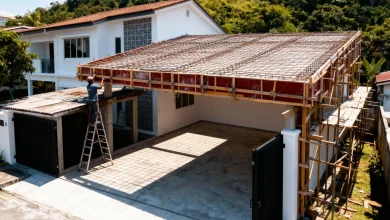
Source: net.ph
Installing energy-efficient roofing materials is not just about the materials themselves; it’s about how they are installed. Proper installation ensures that the roofing system functions optimally, maximizing energy savings and enhancing the overall comfort of the home. This section delves into the best practices for installing energy-efficient roofing materials, focusing on ventilation and insulation methods, as well as a step-by-step procedure for preparing a roof.
Best Practices for Installing Energy-Efficient Roofing Materials
Effective installation of energy-efficient roofing materials plays a critical role in their performance and longevity. The following best practices should be observed during installation:
- Use Professional Installers: Hiring experienced roofing professionals ensures that the materials are installed according to the manufacturer’s specifications, which is crucial for warranty validation and optimal energy efficiency.
- Correct Material Selection: Choose roofing materials that are appropriate for the local climate. For instance, reflective materials work better in hot climates, while insulated options are better for colder areas.
- Follow Manufacturer Guidelines: Adhering to the installation guidelines provided by manufacturers helps ensure the roof performs as intended, particularly regarding insulation and ventilation capabilities.
Methods for Proper Ventilation and Insulation, Best Roofing Materials For Energy Efficient Homes
Ventilation and insulation are integral to maximizing the energy efficiency of roofing systems. Proper ventilation helps regulate attic temperatures, while insulation minimizes heat transfer. Implementing the following methods ensures both are adequately addressed:
- Install Ridge Vents: Ridge ventilation allows warm air to escape from the attic, reducing heat buildup that can affect energy efficiency.
- Use Soffit Vents: Soffit vents provide intake openings that promote airflow, working in conjunction with ridge vents to create a balanced ventilation system.
- Apply Insulation Properly: Ensure that insulation is installed without gaps or compression in the attic space, as this can significantly reduce its effectiveness.
Step-by-Step Procedure for Assessing and Preparing a Roof
Assessing and preparing a roof is essential before the installation of energy-efficient materials. Following this systematic approach ensures readiness and addresses potential issues:
- Conduct a Roof Inspection: Examine the existing roof for damage, leaks, and structural integrity. This helps determine if any repairs are needed before new materials are installed.
- Clear Debris: Remove any debris, such as leaves and branches, from the roof surface and gutters. This ensures a clean installation process.
- Check for Ventilation Needs: Assess the current ventilation system and determine if it meets the requirements for energy-efficient materials. Make adjustments as necessary.
- Install Underlayment: Apply a suitable underlayment that adds an extra layer of protection against moisture and enhances insulation.
- Install Energy-Efficient Roofing: Proceed with the installation of the chosen energy-efficient roofing materials, ensuring all fasteners are secure and aligned correctly.
Cost Considerations and Savings
Investing in energy-efficient roofing materials can seem daunting at first glance, especially considering the initial costs involved. However, when evaluated over the long term, these investments often lead to significant savings on energy bills and other financial benefits. Understanding the initial outlay versus potential future savings is crucial for homeowners contemplating this upgrade.The initial cost of energy-efficient roofing can be higher than traditional materials.
For instance, metal roofs or high-performance shingles can carry a premium price tag. However, the long-term savings from reduced energy consumption can make these materials a wise financial choice. Homeowners often find that the energy savings can recoup the upfront costs within a few years, especially in areas with extreme weather conditions.
Financial Incentives and Potential Savings
Numerous financial incentives are offered by governments and utility companies to encourage homeowners to invest in energy-efficient roofing solutions. These can include tax credits, rebates, and other financial programs aimed at reducing the cost burden. Understanding these incentives can further enhance the financial appeal of choosing energy-efficient roofing.The following points Artikel potential savings associated with different energy-efficient roofing materials:
- Metal roofs: Homeowners can save between 20% to 30% on energy bills annually due to their reflective properties that minimize heat absorption.
- Cool roofs: These can yield savings of 10% to 20% on cooling costs by reflecting more sunlight and absorbing less heat.
- Tile roofs: With proper insulation and ventilation, tile roofs can lead to savings of approximately 15% on energy costs by providing excellent thermal resistance.
- Slate roofs: While more expensive upfront, they offer durability and can lower energy bills by up to 25% over time due to their insulation properties.
- Green roofs: These systems can reduce energy costs by 25% or more, alongside other benefits like improved insulation and water management.
“Investing in energy-efficient roofing not only boosts the comfort of your home but can also lead to substantial savings over time.”
Maintenance of Energy-Efficient Roofs
Maintaining energy-efficient roofs is crucial for ensuring long-term performance and durability. These roofs not only help reduce energy costs but also contribute to a home’s overall sustainability. Proper maintenance will keep your roof functioning at its best and extend its lifespan significantly.Different energy-efficient roofing materials come with varying maintenance requirements. Understanding these needs is essential for homeowners and property managers to ensure that their roofs perform optimally.
Routine maintenance can prevent costly repairs and enhance the roof’s energy-saving capabilities.
Maintenance Requirements for Various Roofing Materials
Each type of energy-efficient roofing material has specific maintenance needs that should be followed to prolong its life. Below are the primary materials and their associated maintenance requirements:
- Metal Roofs: These roofs require periodic cleaning to remove debris and prevent rust. Inspect seals and fasteners at least twice a year to maintain their integrity.
- Clay and Concrete Tiles: Regular inspections for cracks and chips are necessary. Clean gutters to prevent water backup and ensure proper drainage.
- Green Roofs: Maintaining a green roof involves regular watering and weeding. It’s essential to monitor the vegetation and replace any dead plants to maintain insulation properties.
- Cool Roofing Systems: Cleaning the surface regularly helps retain reflectivity. Inspect for any damage or peeling coating every six months and reapply a reflective coating as needed.
To help homeowners keep track of maintenance tasks, here is a suggested maintenance schedule for various roofing materials:
| Roofing Material | Maintenance Task | Frequency |
|---|---|---|
| Metal Roofs | Clean and inspect seals and fasteners | Biannually |
| Clay and Concrete Tiles | Inspect for damage and clean gutters | Annually |
| Green Roofs | Water, weed, and monitor plant health | Monthly |
| Cool Roofing Systems | Clean surface and inspect coating | Every six months |
To further enhance the longevity and efficiency of energy-efficient roofs, homeowners can adopt the following tips:
- Schedule regular professional inspections to identify potential problems early.
- Keep gutters and downspouts free from debris to ensure proper water drainage.
- Trim overhanging branches to prevent damage from falling limbs.
- Ensure attic ventilation is optimal to avoid heat buildup which can affect roof materials.
- Address any minor repairs immediately to prevent them from escalating into larger issues.
Case Studies of Energy-Efficient Roofing Projects
Energy-efficient roofing is not just a trend but a significant investment for homeowners aiming to reduce energy consumption and costs while enhancing comfort. Across various regions, numerous homeowners have successfully installed energy-efficient roofing materials, leading to remarkable transformations not only in their homes but also in their energy bills.The measurable impacts of these projects can be profound. With the right choice of roofing materials, many homeowners have reported substantial reductions in their energy usage, which translates into lower utility bills and a reduced carbon footprint.
Here are some notable case studies showcasing the benefits of energy-efficient roofing.
Success Stories of Energy-Efficient Roofing
Several homeowners have shared their experiences after implementing energy-efficient roofing solutions. The results illustrate the tangible benefits of upgrading to energy-efficient materials.
Project in Phoenix, Arizona
A family replaced their traditional asphalt shingles with reflective metal roofing. As a result:
Energy consumption was reduced by 30% during the summer months.
The family reported a cooling cost decrease of approximately $200 annually.
Home in Chicago, Illinois
This homeowner opted for a green roofing system, which involved a combination of vegetation and specialized materials. The outcomes included:
A 25% reduction in energy use for heating and cooling.
Improved insulation leading to a 15% decrease in overall energy bills.
Renovation in San Francisco, California
A historic home upgraded to solar shingles. The benefits included:
Generating approximately 80% of the home’s energy needs.
Achieving a significant decrease in reliance on the grid, resulting in a savings of up to $1,000 annually on energy costs.
The following key takeaways can be drawn from these case studies, emphasizing the importance and effectiveness of energy-efficient roofing solutions:
- Energy-efficient roofs can lead to substantial savings on energy bills, often recovering initial investments within a few years.
- Reflective and green roofing options greatly reduce heat absorption, contributing to lower cooling costs.
- Solar roofing systems can provide substantial energy independence, significantly reducing reliance on external energy sources.
- Investing in energy-efficient roofing materials enhances overall home comfort and can increase property value.
- Many regions offer incentives or rebates for homeowners who make energy-efficient improvements, making these projects more financially viable.
“Energy-efficient roofing is not just about saving money; it’s about investing in a sustainable future while improving home comfort.”
The experiences shared by these homeowners highlight the positive impact of energy-efficient roofing materials not only on energy consumption but also on overall quality of life. The measurable benefits are clear and compelling, encouraging more homeowners to consider making the switch to energy-efficient roofing options.
Last Recap
In conclusion, the journey through the Best Roofing Materials For Energy Efficient Homes illustrates the importance of selecting the right materials for sustainability and energy savings. As we face the realities of climate change and rising energy costs, investing in energy-efficient roofing not only enhances the comfort of our homes but also contributes positively to the environment. With the right choices, we can build a future that is both energy-efficient and cost-effective.
Answers to Common Questions
What are the benefits of energy-efficient roofing materials?
Energy-efficient roofing materials help reduce energy bills, improve indoor comfort, and contribute to a smaller carbon footprint, making them environmentally friendly choices.
How do I know if my current roof is energy-efficient?
Assessing your roof’s material, insulation quality, and ventilation can help determine its energy efficiency; consult with a professional for a thorough evaluation.
Are there financial incentives for installing energy-efficient roofing?
Many regions offer rebates, tax credits, or incentives for homeowners who choose energy-efficient roofing materials, so it’s worth checking local programs.
Do energy-efficient roofs require special maintenance?
While they may not require extensive maintenance, following specific guidelines and schedules for care can help prolong the lifespan and efficiency of energy-efficient roofs.
Can I install energy-efficient roofing myself?
While DIY installation is possible, it’s recommended to hire professionals to ensure proper installation, ventilation, and insulation for optimal energy efficiency.