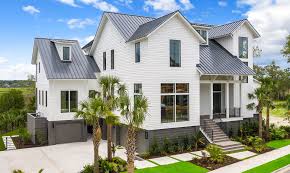
Best Landscaping Features For Front Yard Curb Appeal
Best Landscaping Features For Front Yard Curb Appeal sets the stage for transforming your front yard into a visually stunning space that not only enhances the aesthetic but also improves your property’s overall value. Curb appeal is essential for making a strong first impression, and it encompasses a variety of landscaping elements that work together harmoniously. From vibrant flower beds to elegant lighting designs, each feature plays a crucial role in creating an inviting atmosphere that welcomes guests and potential buyers alike.
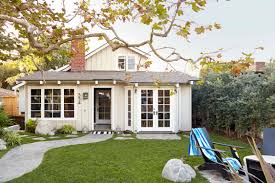
As we explore the popular landscaping features that can elevate your front yard, we’ll highlight how these elements contribute to a cohesive and appealing environment. The right combination of plants, hardscaping, and decorative touches can turn an ordinary yard into a picturesque landscape that reflects your style and enhances your home’s charm.





Introduction to Front Yard Curb Appeal
Curb appeal refers to the visual attractiveness of a property as seen from the street. It plays a crucial role in creating a favorable first impression for visitors and potential buyers alike. A well-landscaped front yard enhances the overall aesthetics of a home, making it stand out in the neighborhood and reflecting the homeowner’s pride in their property.Several key elements contribute to the curb appeal of a front yard.
These include greenery, flower beds, walkways, lighting, and architectural features. Each element works synergistically to create a welcoming and visually appealing environment. Moreover, the landscaping choices made can significantly impact property value, with well-maintained exteriors often leading to higher market prices.
Key Elements Contributing to Front Yard Aesthetics
The aesthetic appeal of a front yard hinges on various components that collectively enhance the overall look. Understanding these elements is vital for homeowners seeking to boost their property’s curb appeal.
- Plant Selection: Choosing the right plants is essential. Incorporating a mix of perennials, annuals, and shrubs can create diverse textures and colors throughout the seasons. For instance, hydrangeas and daylilies can add vibrant colors, while evergreens provide year-round structure.
- Walkways: Well-defined paths can lead visitors to the entrance while also enhancing visual flow. Materials like brick, stone, or decorative concrete can add a touch of elegance to the front yard.
- Lighting: Strategic outdoor lighting not only improves safety but also highlights landscaping features at night. Solar path lights or lanterns can create a warm and inviting atmosphere.
- Focal Points: Adding unique features such as a decorative fountain, bench, or sculptural elements can serve as eye-catching focal points. These elements draw attention and provide a sense of character to the yard.
- Maintenance: Regular upkeep is crucial. Mowing the lawn, trimming hedges, and removing weeds can make a significant difference in the overall appearance and health of the landscape.
“The exterior of your home is the first thing people notice. Make it count!”
Investing in landscaping not only beautifies a home but can also yield a strong return on investment. According to the National Association of Realtors, well-designed landscaping can increase property values by up to 15%. This highlights the importance of thoughtful front yard design in the context of real estate.
Popular Landscaping Features
Enhancing curb appeal is essential for creating a welcoming atmosphere for your home. Certain landscaping features stand out for their ability to make a striking first impression while also providing functional benefits. Below are some popular landscaping elements that can transform your front yard into an inviting oasis.
Landscaping Features That Enhance Curb Appeal
Incorporating specific landscaping features can significantly uplift the aesthetic of your front yard. Here are several popular options to consider:
- Flower Beds
- Trees
- Walkways and Paths
- Lighting Fixtures
- Decorative Stone Elements
- Fences and Borders
Flower beds are particularly effective as focal points in any yard. They not only add vibrant colors and textures but also serve as an excellent way to showcase your personal style. A well-placed flower bed can draw the eye and create a welcoming entrance.
“A well-designed flower bed can significantly increase the visual appeal of your home, making it feel more inviting.”
The benefits of using flower beds extend beyond aesthetics. They can attract local wildlife, such as butterflies and bees, contributing to a healthy ecosystem. Additionally, seasonal flowers ensure your landscaping stays dynamic throughout the year, providing continuous interest.
Trees as Framing Elements
Trees are another vital feature that enhances curb appeal by framing your home and adding dimension to your landscaping. Their presence can create a picturesque backdrop, emphasizing the architectural details of your house.When strategically placed, trees can serve multiple purposes. They provide shade, which can help reduce energy costs in warmer months, and can also act as natural privacy screens.
Furthermore, the right tree species can offer seasonal beauty, showcasing vibrant foliage in autumn or blossoming flowers in spring.
“Trees not only enhance the beauty of your home but also provide essential environmental benefits.”
For instance, a pair of mature maple trees flanking the entrance can create a grand and inviting look, while smaller ornamental trees can add charm and softness. Overall, trees are an investment in both your property’s aesthetics and its long-term health.
Hardscaping Elements
When it comes to enhancing the curb appeal of your front yard, hardscaping elements play a crucial role. These materials not only contribute to the aesthetic value but also provide functional surfaces that can enhance the overall layout of your landscape. By incorporating various hardscaping materials, you can create a visually striking environment that complements your home and invites visitors.Hardscaping materials include stone, brick, and concrete, each offering unique benefits and visual impacts.
Stone provides a natural look and feels, often blending seamlessly with surrounding plants and trees. Brick is celebrated for its classic appeal and durability, making it a popular choice for pathways and driveways. Concrete, while typically more utilitarian, can be stamped or stained to mimic other materials, providing endless design possibilities. Understanding the characteristics of these materials can help you make informed decisions about your landscaping project.
Comparative Analysis of Driveway Materials
Choosing the right material for your driveway is essential, as it sets the tone for your entire front yard. Each option has distinct advantages in terms of aesthetics, maintenance, and cost.
Concrete
This popular choice is known for its durability and low maintenance. It can be poured in various shapes and patterns, allowing for customization. However, it may crack over time and can be less visually appealing unless stained or stamped.
Brick
A brick driveway adds elegance and charm to your home. While it is more expensive than concrete, its classic look and longevity make it a worthy investment. It’s important to ensure proper installation to avoid shifting and weed growth.
Pavers
Available in various colors and shapes, pavers offer versatility and ease of repair. If a section becomes damaged, individual pavers can be replaced without needing to reconstruct the entire driveway. Their aesthetic appeal can significantly enhance curb appeal.
Gravel
While the most affordable option, gravel driveways require regular maintenance, including raking and replenishing. They provide a rustic look but may not suit all home styles.
Asphalt
Known for its resilience, asphalt driveways are less expensive than brick or pavers but may require sealing every few years. They offer a modern appearance and can complement contemporary home designs.
“The choice of driveway material can greatly influence the first impression of your home.”
Importance of Pathways and Walkways
Pathways and walkways serve a functional purpose in guiding visitors to your entrance while also adding aesthetic value to your landscape. They can be designed using the same materials as driveways or can incorporate different elements for contrast.An effective pathway layout enhances the overall flow of your front yard design. Here are some materials often used:
Stone Stepping Stones
These create a natural, organic look and can be arranged in various patterns. They encourage a casual stroll through the garden.
Brick Paths
Mimicking the driveway, brick paths provide continuity in design and are durable against the elements. They can be laid in intricate patterns to add visual interest.
Concrete Walkways
These can be poured to match your driveway, ensuring a cohesive look. They can also be colored or stamped for added appeal.
Mulch or Gravel Trails
While less formal, these offer a rustic charm and are often more cost-effective. They can blend seamlessly with the surrounding landscape.Integrating pathways into your landscaping not only enhances the visual appeal but also ensures safety and accessibility, inviting guests to explore and appreciate your outdoor space.
Plant Selection for Front Yards

Source: gamerantimages.com
Selecting the right plants for your front yard is crucial for creating an inviting curb appeal that enhances the beauty of your home. The right choice can make your yard look vibrant, well-maintained, and welcoming. It’s important to consider various factors such as climate, maintenance needs, and seasonal changes when selecting plants.Choosing the right plants involves understanding your local climate and the specific requirements of each plant species.
Different regions have unique environmental conditions that influence which plants will thrive. For instance, arid regions might favor drought-resistant succulents, while more temperate areas can support a diverse range of flowering shrubs and trees. Selecting plants based on their maintenance and growth requirements can save you time and resources. Additionally, incorporating seasonal plants can provide visual interest throughout the year, ensuring your front yard looks appealing in every season.
Climate-Specific Plant Types
Understanding the climate in your area is essential for successful plant selection. Different plants have varying tolerances to temperature, humidity, and soil conditions. Here are some examples of plants suited for specific climates:
- Tropical Climates: Plants such as hibiscus, bird of paradise, and palm trees thrive in warm, humid environments, providing lush greenery and vibrant flowers.
- Desert Climates: Drought-resistant plants like agave, cacti, and lavender are ideal, as they require minimal water and can withstand extreme heat.
- Temperate Climates: Varieties like azaleas, peonies, and oak trees flourish here, offering a stunning array of colors and textures throughout the year.
- Cold Climates: Perennials such as coneflowers, daylilies, and evergreens are perfect for areas with harsh winters, ensuring a resilient yard that survives the frost.
Maintenance and Growth Requirements
When selecting plants for your front yard, it’s crucial to consider how much time you can dedicate to maintenance. Some plants need regular pruning, watering, and fertilization, while others are low-maintenance. Below are some guidelines for choosing plants based on their growth requirements:
- Low-Maintenance Plants: Look for native species that are adapted to your local environment, such as ornamental grasses, hostas, or sedums which require less water and care.
- Moderate Maintenance Plants: Many flowering plants like hydrangeas and daylilies can provide beauty but may require occasional deadheading and watering.
- High-Maintenance Plants: Choose these if you have a green thumb and enjoy gardening. Varieties like roses and intricate topiaries can enhance aesthetics but demand regular attention and care.
Seasonal Plant Selection, Best Landscaping Features For Front Yard Curb Appeal
To maintain visual interest throughout the year, incorporating a mix of seasonal plants is beneficial. This approach allows your front yard to transform with the changing seasons. Here are some suggestions for ensuring year-round appeal:
- Spring: Plant bulbs like tulips and daffodils for a burst of color as they bloom early in the season.
- Summer: Consider vibrant annuals like marigolds and petunias to bring lushness during the warmer months.
- Fall: Add ornamental grasses and plants with autumn colors, such as chrysanthemums, to create a warm, inviting atmosphere.
- Winter: Evergreen shrubs and trees can provide structure and color during the cold months, ensuring your yard remains attractive even in winter.
Incorporating seasonal plants encourages dynamic curb appeal, making your front yard a stunning showcase throughout the year.
Lighting Design
Lighting plays a crucial role in enhancing the curb appeal of your front yard, transforming it into a welcoming and beautiful space, especially at night. A well-thought-out outdoor lighting plan can highlight key features in your landscaping, illuminating pathways, and creating an inviting ambiance that showcases your home’s architecture and garden design even after the sun goes down.When designing your outdoor lighting, it’s essential to consider the various types of landscape lighting available.
Each type serves a different purpose and can dramatically affect the overall aesthetic and functionality of your outdoor space. Some popular options include spotlights, path lights, and accent lights. Spotlights are ideal for highlighting specific features like trees, sculptures, or architectural details of your home. Path lights, on the other hand, are perfect for illuminating walkways, ensuring safety while adding an appealing glow.
Accent lights can be used to draw attention to particular plants or garden features, creating focal points that elevate the nighttime landscape.
Types of Landscape Lighting
The choice of lighting can greatly influence the atmosphere of your front yard. Here are some common types of landscape lighting that can enhance your outdoor space:
- Spotlights: These powerful lights focus on a specific area, such as a large tree or a beautiful flower bed, creating dramatic effects and adding depth to your landscape.
- Path Lights: Designed to line walkways, these lights provide safety and navigation while adding charm and character to your path.
- Deck and Patio Lights: These fixtures can be installed on decks and patios to create a cozy atmosphere, perfect for entertaining or relaxing in the evening.
- Wall Wash Lights: Used to illuminate walls or fences, these lights create a soft glow that enhances textures and colors while providing a backdrop for your landscape features.
- Step Lights: Integrated into stairs or pathways, step lights ensure safety while enhancing visibility and beauty.
The ambiance created by lighting at night can be vastly different from the daytime appearance of your front yard. While natural light emphasizes the greenery and colors of your plants, nighttime lighting adds a magical quality, casting intriguing shadows and highlighting textures that are often overlooked during the day. The warm glow from outdoor lights can create a welcoming atmosphere, making it more inviting for guests and passersby alike.
“The right outdoor lighting not only enhances beauty but also elevates safety and accessibility.”
Using a combination of these lighting types allows you to create layers of light, adding depth and dimension to your front yard. This layered approach not only enhances aesthetic appeal but also provides practical lighting solutions for both safety and enjoyment of your outdoor space after sunset.
Water Features: Best Landscaping Features For Front Yard Curb Appeal
Incorporating water features such as fountains and ponds into your front yard can significantly enhance curb appeal while providing a soothing atmosphere. The sound of flowing water has a calming effect, and visually, these additions can transform a mundane space into a serene oasis. Water features come in a variety of sizes and styles, allowing homeowners to choose options that best fit their yard dimensions and aesthetic preferences.
From small, bubbling fountains that occupy a corner of the garden to grand koi ponds that serve as the centerpiece of the landscape, there’s something for every space.
Types of Water Features
When selecting a water feature, it’s essential to consider different styles and sizes that can complement your front yard. Here are several popular options:
- Fountains: Available in various styles, from classical tiered designs to modern minimalist sculptures, fountains can be tabletop size for smaller gardens or large enough to stand as a focal point. Their soothing sounds and visual appeal make them a popular choice.
- Ponds: Ranging from small ornamental ponds to larger recreational ones, these water bodies can support fish and plants, adding biodiversity to your landscape. Consider incorporating shelves for aquatic plants or rocks for aesthetic appeal.
- Waterfalls: A waterfall can add drama and movement to your landscape. It can cascade into a pond or stream, creating a natural look and providing the soothing sound of flowing water.
- Birdbaths: Simple yet effective, birdbaths attract wildlife and add charm to your garden. They come in various designs, often doubling as decorative garden art.
Maintaining water features is crucial for their longevity and aesthetics. Regular upkeep ensures that the water remains clean and the feature continues to operate effectively. Here are key maintenance considerations:
- Water Quality: Regularly check and maintain the water level, and replace water as needed to avoid stagnation. Use water treatments to keep it free from algae and ensure the health of any aquatic life.
- Cleaning: Clean filters, pumps, and the surrounding area to prevent debris buildup. Perform seasonal cleanouts, especially before winter, to maintain functionality and appearance.
- Winterization: In colder climates, it’s crucial to winterize your water features. This includes draining ponds, removing pumps, and protecting fountains from freezing temperatures.
A well-maintained water feature can not only enhance the aesthetic appeal of your front yard but also serve as a tranquil retreat. By considering the options available and committing to regular maintenance, homeowners can enjoy the myriad benefits that these features bring.
Decorative Elements
Decorative elements play a crucial role in enhancing the curb appeal of your front yard. These features not only add character but also reflect your personal style, making your home feel more inviting. From sculptures to garden art, incorporating these elements can transform a simple landscape into a visually stunning outdoor space.When considering decorative features, it’s essential to understand their impact on the overall aesthetic and appeal of your property.
Seasonal decorations can particularly boost curb appeal, offering a fresh look throughout the year. Using seasonal themes, from spring blooms to autumn leaves, allows homeowners to keep their landscaping dynamic and engaging.
Types of Decorative Features
There are numerous decorative features that can be integrated into your front yard landscaping. Below is a selection of popular options, each contributing uniquely to the overall curb appeal.
- Sculptures: These can range from classic stone figures to modern abstract designs. Sculptures serve as focal points and conversation starters, drawing attention to specific areas of your yard.
- Garden Art: Items such as wind chimes, birdhouses, and decorative stakes add whimsy and charm. They can be colorful and playful, fitting various themes and styles.
- Water Features: Fountains and small ponds introduce tranquility and a soothing ambiance. The sound of flowing water enhances relaxation and elevates the sensory experience of your yard.
- Lighting Fixtures: Decorative lights not only illuminate spaces but also highlight key features like pathways and plantings. Solar-powered lanterns or string lights can create a magical nighttime atmosphere.
- Seasonal Decorations: Changing decorations to match the seasons can refresh your landscaping. Items like wreaths, flags, or festive garden stakes can be added for holidays or seasonal events.
Integrating Personal Style
Incorporating personal style through decorative elements is a wonderful way to make your front yard feel like home. Here are several ideas to express individuality in your landscaping:
- Choose a Theme: Whether it’s coastal, rustic, or modern, selecting a theme helps in creating a cohesive look that resonates with your style.
- Custom Art Pieces: Commissioning local artists for unique sculptures or paintings can give your yard a distinctive flair, showcasing your taste and supporting local talent.
- Personalized Planters: Using custom containers or painting existing ones in vibrant colors can add a personal touch. Planting your favorite flowers or herbs can also reflect your personality.
- Family Memorabilia: Incorporating family heirlooms, such as a vintage bicycle or a cherished bench, can tell a story and add sentimental value to your landscape.
- DIY Projects: Crafting your own decorative items, such as painted rocks or handmade bird feeders, allows you to showcase creativity while making the space uniquely yours.
Sustainable Landscaping Practices
Sustainable landscaping integrates the principles of environmental stewardship, resource conservation, and aesthetic appeal. By prioritizing eco-friendly practices, homeowners can enhance their front yard’s curb appeal while contributing positively to the environment. This approach not only beautifies the landscape but also promotes biodiversity and reduces water and maintenance costs.Sustainable landscaping is guided by specific principles that help reduce environmental impact and enhance the beauty of your yard.
These principles include selecting native and drought-tolerant plants, utilizing eco-friendly materials, conserving water, and supporting local wildlife. The benefits of these practices extend beyond aesthetics; they also lead to lower maintenance costs, improved soil health, and enhanced biodiversity.
Drought-Tolerant Plants and Eco-Friendly Materials
Incorporating drought-tolerant plants is essential for creating a sustainable landscape that conserves water while maintaining visual appeal. These plants thrive in low-water conditions, making them ideal for regions prone to drought. Some popular options include:
- Agave: This succulent requires minimal watering and offers striking architectural form.
- Lavender: Known for its aromatic qualities, lavender is drought-resistant and attracts pollinators.
- Sedum: A low-maintenance perennial, sedum displays vibrant colors while thriving in dry conditions.
- California Poppy: This vibrant wildflower adds a splash of color and only requires occasional watering.
- Native Grasses: Grasses like Blue Grama and Little Bluestem are both drought-resistant and provide habitat for wildlife.
Using eco-friendly materials in landscaping can enhance your yard’s sustainability. Consider the following options:
- Recycled Pavers: These provide an attractive hardscape option while reducing waste.
- Compost: Enriching soil with compost decreases the need for chemical fertilizers and supports plant health.
- Rain Barrels: Collecting rainwater for irrigation not only conserves water but also lowers utility bills.
- Permeable Paving: This type of paving allows rainwater to seep through, reducing runoff and erosion.
Wildlife-Friendly Gardens
Creating a wildlife-friendly garden not only supports local ecosystems but also enhances the aesthetic quality of your landscape. These gardens invite birds, butterflies, and beneficial insects, contributing to pollination and natural pest control. To design a wildlife-friendly garden, consider the following elements:
- Native Plants: These plants provide food and habitat for local wildlife, as they have co-evolved with the local ecosystem.
- Water Features: Birdbaths or small ponds attract birds and beneficial insects, creating a lively atmosphere.
- Nesting Sites: Incorporate birdhouses or leave some natural debris for small animals to create nests.
- Organic Practices: Avoid chemical pesticides and fertilizers to protect pollinators and other wildlife.
- Diverse Planting: Mixing plants of different heights and types creates a layered habitat that accommodates various species.
In summary, sustainable landscaping practices not only improve the curb appeal of front yards but also contribute to environmental health. By selecting drought-tolerant plants, using eco-friendly materials, and creating spaces for wildlife, homeowners can achieve a beautiful, functional, and responsible landscape.
Maintenance Tips for Lasting Curb Appeal
Maintaining the stunning appearance of your front yard is essential for ensuring lasting curb appeal. A well-kept landscape not only enhances the aesthetic value of your home but also creates a welcoming atmosphere for guests. Regular maintenance routines, avoidance of common mistakes, and seasonal care techniques are vital in preserving the beauty of your outdoor space.A consistent maintenance schedule is the backbone of an attractive landscape.
This includes a mix of tasks such as mowing, pruning, weeding, and seasonal changes. By sticking to a routine, homeowners can ensure that their front yards remain vibrant and healthy throughout the year.
Routine Maintenance Schedule
Establishing a routine maintenance schedule helps keep your landscaping in top shape. Here’s a breakdown of some key activities to incorporate into your landscape care plan:
- Mowing: Mow grass at least once a week during the growing season to maintain height and promote healthy growth.
- Pruning: Trim back shrubs and trees in early spring and late fall to encourage new growth and remove any dead or diseased branches.
- Weeding: Regularly check for weeds to avoid competition for nutrients. Aim to weed your garden every two weeks.
- Fertilizing: Fertilize your lawn and flowerbeds at least twice a year, in spring and fall, to ensure plants receive the necessary nutrients.
- Mulching: Apply mulch annually to flower beds to suppress weeds, retain moisture, and improve the overall look.
Avoiding Common Landscaping Mistakes
Avoiding common landscaping mistakes is crucial for maintaining curb appeal. Here are some prevalent errors and how to prevent them:
- Overplanting: Filling your garden with too many plants can lead to overcrowding and competition for resources. Stick to a balanced design that allows plants to thrive.
- Ignoring Plant Size: Selecting plants that grow larger than anticipated can lead to an unkempt appearance. Research the mature size of plants before planting.
- Poor Soil Preparation: Neglecting to prepare the soil can stunt plant growth. Always amend soil with compost or organic matter before planting.
- Neglecting Watering Needs: Different plants have varying water requirements. Group plants with similar watering needs to ensure proper hydration.
- Choosing the Wrong Plants: Selecting plants unsuitable for your climate or soil type can lead to failure. Always consider the local environment when choosing landscaping plants.
Importance of Seasonal Clean-Up and Care Techniques
Seasonal clean-up is essential to maintain the beauty of your landscaping. Each season brings unique tasks that help prepare your garden for the upcoming conditions. In spring, remove debris from winter and prepare beds for new planting. In summer, focus on maintaining water levels and weeding. Fall is the best time for planting new trees and shrubs, as well as cleaning up fallen leaves and dead plants.
Winter clean-up involves protecting delicate plants by covering them and ensuring garden furniture is stored properly.
“Regular seasonal care not only enhances the appearance of your front yard but also promotes the health of your plants, ensuring they flourish year-round.”
Last Point
In conclusion, the Best Landscaping Features For Front Yard Curb Appeal are all about blending beauty and functionality to create an inviting space. By carefully selecting plants, incorporating hardscaping elements, and adding personal touches, you can significantly boost your front yard’s charm. With a thoughtful approach to landscaping, not only will your home stand out in the neighborhood, but it will also create a warm and welcoming atmosphere for all who visit.
FAQ Corner
What are the most effective landscaping features for curb appeal?
Effective landscaping features include well-maintained flower beds, strategically placed trees, inviting pathways, and decorative elements like sculptures or garden art.
How can I make my front yard low-maintenance?
Opt for drought-tolerant plants, use mulch to minimize weeds, and consider hardscaping options that require less upkeep.
What role does lighting play in curb appeal?
Lighting enhances curb appeal by highlighting key features at night, creating ambiance, and improving safety for visitors.
Can landscaping increase my property’s value?
Yes, well-designed landscaping can significantly increase your property’s value by improving its appearance and attracting potential buyers.
How often should I maintain my landscaping?
A routine maintenance schedule should include weekly tasks like mowing, weeding, and pruning, with more extensive clean-up during seasonal changes.