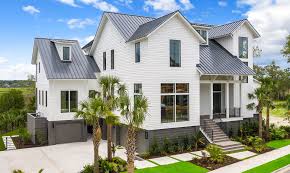
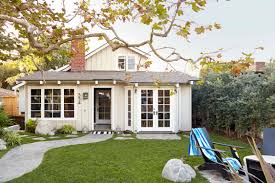
Best Window Styles For Modern House Exteriors
Best Window Styles For Modern House Exteriors serves as a gateway to understanding the essential role windows play in the architecture of contemporary homes. With a blend of function and aesthetics, the right window style can transform the exterior appearance while enhancing energy efficiency. As architectural trends evolve, so do window designs, making it crucial for homeowners to stay informed on the latest styles that offer both beauty and practicality.
From casement to sliding windows, each style carries its unique features and benefits, catering to various preferences and architectural styles. This exploration will not only highlight popular window designs but also delve into the materials, colors, and energy efficiency considerations that define the modern home.



Introduction to Modern Window Styles
Modern window styles play a crucial role in defining the aesthetics and functionality of contemporary house exteriors. They not only enhance the visual appeal of a property but also contribute to its overall energy efficiency. As architectural trends have evolved, so too have the designs of windows, moving from purely functional to a blend of beauty and performance.The evolution of window designs reflects the changing demands and tastes in architecture.
From the ornate designs of historical buildings to the sleek lines and large panes synonymous with modern architecture, window styles have adapted to fit the needs of the era. In recent years, there has been a marked shift towards minimalist designs that emphasize natural light and open spaces, which are hallmarks of modern homes. This evolution has ensured that windows are no longer just openings in a wall but integral elements that contribute to the character of a home.
Impact of Window Style on Energy Efficiency and Home Aesthetics
Choosing the right window style is vital for enhancing both energy efficiency and the visual impact of a home. Windows can significantly influence a home’s thermal performance; thus, modern designs often incorporate advanced materials and technologies. High-performance glazing, for instance, minimizes heat loss and reduces energy bills, making homes more sustainable.Several key features define modern window styles that can elevate home aesthetics while improving energy efficiency:
- Large Glass Panels: These allow ample natural light to flood interiors, creating a sense of space and connection with the outdoors. They can also foster energy efficiency by utilizing passive solar heating.
- Slim Frames: Modern designs often feature narrow frames made from materials like aluminum or fiberglass, providing an unobtrusive look while maximizing glass area.
- Energy-Efficient Glazing: Triple-glazed or Low-E coatings are common in modern windows, significantly enhancing insulation and reducing energy consumption.
- Smart Windows: These incorporate technology that allows homeowners to control heat and light, further optimizing energy use and comfort.
Incorporating these features not only enhances the aesthetics of a home but also aligns with environmental sustainability goals. The right window style can transform a mundane façade into an inviting, modern masterpiece that reflects the homeowner’s style and values.
“Windows are the eyes of a house, reflecting its character and energy efficiency.”
Popular Window Styles for Modern Homes
In today’s architectural landscape, the choice of window styles significantly impacts the overall aesthetic and functionality of modern homes. Windows not only allow natural light to flood interior spaces but also serve as an essential design element that can enhance or detract from a home’s curb appeal. Here, we explore popular window styles that align with contemporary design sensibilities.Modern homes often feature windows that prioritize sleek lines and efficient functionality.
Among the most favored styles are casement, sliding, and picture windows. Each style comes with its unique set of characteristics, benefits, and potential drawbacks which cater to different architectural needs and personal preferences.
Casement Windows
Casement windows are hinged at the side and open outward, providing excellent ventilation and unobstructed views. Their design allows for easy cleaning, as they can be opened fully to access both sides of the glass from inside the home.
Sliding Windows
Sliding windows consist of two or more sashes that slide horizontally along a track. This design provides a contemporary aesthetic and is particularly useful for maximizing views in narrow spaces. They are easy to operate and often come in larger sizes, making them ideal for expansive views.
Picture Windows
Picture windows are fixed panes of glass that do not open. They are designed to bring in maximum light and frame beautiful outdoor views. Often used as focal points in a room, they can create a seamless connection between indoor and outdoor environments.To better understand the features and benefits of these window styles, the following table summarizes their pros and cons:
| Window Style | Pros | Cons | Best Use |
|---|---|---|---|
| Casement |
|
|
Ideal for hard-to-reach areas and kitchens |
| Sliding |
|
|
Great for living rooms and patios |
| Picture |
|
|
Perfect for framing scenic views |
Each window style serves a different purpose and can greatly influence the design and functionality of modern homes. Selecting the right windows involves considering factors such as ventilation, aesthetic appeal, and practical use.
Materials Used in Modern Window Designs
Modern window designs feature a variety of materials, each offering unique aesthetic and performance benefits. Understanding these materials can help homeowners make informed decisions based on their specific needs, preferences, and architectural styles. When it comes to modern windows, the most commonly used materials include vinyl, wood, aluminum, and fiberglass. Each material has its own set of advantages and disadvantages that can impact both style and functionality, making it essential to weigh these factors carefully.
Overview of Window Materials, Best Window Styles For Modern House Exteriors
Vinyl, wood, aluminum, and fiberglass are the primary materials that define contemporary window designs.
Vinyl
Known for its affordability and low maintenance, vinyl windows come in various styles and colors. They offer excellent energy efficiency and are resistant to moisture, making them ideal for various climates. However, they may lack the aesthetic appeal of wood and can fade over time when exposed to direct sunlight.
Wood
Wood windows exude natural beauty and warmth, making them a popular choice for traditional and modern homes alike. They provide excellent insulation and can be customized with various finishes. On the downside, wood requires regular maintenance to protect against rot, warping, and insect damage.
Aluminum
Aluminum windows are recognized for their strength and durability. They can support larger panes of glass, allowing for expansive views and modern aesthetics. Although they are low maintenance, aluminum conduct heat, so they require thermal breaks to improve energy efficiency.
Fiberglass
Fiberglass windows offer superior durability and energy efficiency. They are resistant to warping and provide excellent insulation. However, fiberglass can be more expensive than other materials, and some may find the aesthetic less appealing compared to wood.
Recommended Materials for Different Climates and Architectural Styles
Selecting the right window material can depend greatly on the climate in which you live and the architectural style of your home. Below is a helpful guide to match materials with specific needs:
Warm Climates
Vinyl
Great for its UV resistance and low maintenance.
Aluminum
Suitable for modern designs, but ensure proper thermal breaks.
Cold Climates
Wood
Ideal for insulation but requires maintenance.
Fiberglass
Excellent for energy efficiency and durability.
Coastal Areas
Aluminum
Choose corrosion-resistant options to withstand salty air.
Vinyl
Non-corrosive and moisture resistant.
Traditional Architectural Styles
Wood
Complements classic designs with its natural appeal.
Modern Architectural Styles
Fiberglass and Aluminum
Both materials support sleek, contemporary aesthetics.
“Choosing the right window material is essential for enhancing both the style and performance of your modern home.”
Color and Finishes for Modern Windows
In modern architecture, the choice of color and finishes for window frames plays a crucial role in defining the overall aesthetic of a home. As design preferences evolve, so do the trends in window colors and finishes, offering homeowners a range of options to complement their exterior design. Selecting the right colors can enhance curb appeal and harmonize with the surrounding environment.Finishes not only affect the visual appeal of windows but also their durability and maintenance.
Choosing the right finish can either enhance the architectural style of a house or detract from it, making it essential to consider how different materials and treatments work with the chosen color scheme.
Popular Color Schemes and Finishes for Modern Window Styles
When it comes to modern window styles, understanding the latest trends in color and finishes can significantly influence your home’s exterior look. Here are some popular choices that are currently making waves in the world of architecture:
- Matte Black: This timeless color offers a sleek and sophisticated look, often used in contemporary designs. It pairs well with lighter exterior materials, creating a striking contrast.
- Soft Gray: A versatile and neutral option, soft gray is perfect for modern homes. It blends seamlessly with various finishes and can evoke a sense of calm.
- Bold Navy Blue: This deep color adds character and depth to window frames, making it a popular choice for those looking to break away from traditional hues.
- Earthy Greens: Shades such as olive or sage green resonate well with nature, making them an excellent choice for homes surrounded by landscapes.
- Warm Whites: Off-white shades provide a soft and welcoming appearance, enhancing modern designs while retaining classic elements.
To further enhance the aesthetic appeal of window frames, various finishes can be applied. The choice of finish greatly impacts the visual and tactile experience. Here are some notable finishes popular among modern window designs:
- Powder Coating: This durable finish comes in a variety of colors and textures, providing both a robust layer of protection and an attractive appearance.
- Wood Grain Laminates: For those who desire a natural look, wood grain finishes offer the warmth of wood while maintaining the low maintenance benefits of modern materials.
- Textured Finishes: These add depth and interest to window frames, making them stand out without being overly flashy.
- High-Gloss Finishes: Shiny surfaces reflect light, creating a vibrant look, ideal for contemporary settings.
- Weather-Resistant Coatings: These finishes protect against harsh weather conditions, ensuring longevity and maintaining the window’s appearance over time.
Choosing the right color and finish for window frames is essential in achieving a cohesive and modern exterior design.
Energy Efficiency Considerations
In modern construction, energy-efficient windows are becoming increasingly essential for homeowners who wish to enhance comfort, reduce energy bills, and contribute to environmental sustainability. With the growing concern over energy consumption and its impact on the planet, selecting the right window style plays a pivotal role in achieving an energy-efficient home.Energy-efficient windows are designed to minimize heat loss during winter and reduce heat gain during summer.
Key features that contribute to this efficiency include Low-E (low emissivity) glass, which reflects heat while allowing natural light to enter, and double glazing, which consists of two panes of glass with a space in between filled with either air or gas to provide excellent insulation. These technologies work together to create a thermal barrier, enhancing the overall performance of the home.
Key Features of Energy-Efficient Windows
Understanding the specific features that contribute to energy efficiency can help homeowners make informed choices when selecting windows. Here are some significant characteristics:
Low-E Glass
This type of glass has a special coating that reflects infrared light while allowing visible light to pass through, effectively keeping your home warmer in winter and cooler in summer.
Double Glazing
Windows with two panes of glass provide a buffer zone that reduces heat transfer, helping maintain a stable indoor temperature.
Gas Fills
Many double-glazed windows include argon or krypton gas between the panes, enhancing insulation properties.
Frame Material
Frames made from materials like vinyl, fiberglass, or wood can further improve energy efficiency due to their insulating properties.
Warm Edge Spacers
These spacers, which separate the panes in double-glazed windows, are designed to minimize heat loss around the edges, promoting overall thermal performance.
Energy Efficiency Ratings
Energy efficiency ratings provide valuable insights into how well a window will perform in terms of insulation and energy conservation. Below is a table that Artikels common energy efficiency ratings and their meanings for homeowners:
| Rating | Description |
|---|---|
| U-Factor | Measures the rate of heat transfer; lower values indicate better insulation (recommended U-Factor < 0.30 for most climates). |
| Solar Heat Gain Coefficient (SHGC) | Indicates how much solar heat is admitted through a window; lower values are preferable in hot climates. |
| Visible Transmittance (VT) | Measures how much light comes through the window; higher values allow more natural light, which can reduce reliance on artificial lighting. |
| Air Leakage (AL) | Indicates how much air can pass through the window frame; lower values signify better performance (recommended AL < 0.3). |
Investing in energy-efficient windows not only enhances comfort and aesthetics but also leads to significant long-term savings on energy bills. For example, homes equipped with high-performance windows can reduce heating and cooling costs by up to 30%, a substantial return on investment over time. By understanding these elements, homeowners can make well-informed decisions that align with their energy efficiency goals and contribute positively to their living environment.
Integrating Windows into Modern Home Architecture

Source: alamy.com
In modern home design, windows play a crucial role in the overall aesthetic and functionality of the space. Their integration into architectural styles can enhance both the exterior appeal and the interior environment, allowing for natural light, ventilation, and views of the surrounding landscape. Selecting the right window style not only complements the home’s design but also contributes to energy efficiency and sustainability.When incorporating window styles into modern architectural designs, it’s vital to consider the balance between form and function.
Modern architecture often embraces clean lines, open spaces, and a connection to nature, making the choice of window styles pivotal. Emphasizing large, unobstructed glass panes can create an illusion of continuity between the indoors and outdoors, while strategically placed smaller windows can add visual interest without sacrificing privacy.
Successful Integrations of Window Styles
Many contemporary homes showcase successful integrations of window styles that harmonize with their architectural features. Examples include:
- Floor-to-Ceiling Windows: Often found in modern minimalist homes, these windows enhance the perception of space and allow ample natural light. For instance, the Glass House by Philip Johnson exemplifies this style, blending seamlessly with its natural surroundings.
- Casement Windows: Ideal for achieving a modern look with functionality, casement windows can be used in various architectural styles. They provide a clean aesthetic and are often installed in clusters for a dramatic effect, like in the case of the Miller House.
- Sliding Glass Doors: These windows serve a dual purpose as both window and door, creating a smooth transition from indoor living spaces to outdoor patios. A great example is the modern cabins designed by Studio Muir, which utilize sliding doors to frame breathtaking views.
In selecting window styles that complement the overall home aesthetic, a systematic approach can be beneficial. This includes assessing the architectural style of the home, understanding the surrounding environment, and considering the purpose of the windows.
Design Method for Selecting Window Styles
A methodical process can guide homeowners and architects in choosing the right window styles:
- Analyze Architectural Style: Determine the predominant style of the home, whether it’s mid-century modern, contemporary, or industrial. Each style has characteristic window designs that enhance its overall appeal.
- Consider Surroundings: Take into account the landscape and neighboring structures. Windows that reflect the local environment, like natural wood finishes or colors that match the landscape, create a cohesive look.
- Use 3D Visualization Tools: Utilize software that allows homeowners to visualize how different window styles will look on their homes. This can aid in making informed decisions that align with personal tastes and overall design goals.
- Consult with Professionals: Engaging with architects or designers who specialize in modern homes can provide valuable insights into window integration, ensuring the final design is both functional and aesthetically pleasing.
“The right windows not only enhance the beauty of your home but also create a space that feels harmonious with its surroundings.”
By following these guidelines, homeowners can confidently integrate window styles that not only enhance the architectural integrity of their modern homes but also elevate their living experience.
Maintenance and Care for Modern Windows
Taking care of modern windows is essential for preserving their aesthetic appeal and functionality. With various materials and designs available, understanding the maintenance requirements specific to each type can significantly enhance their lifespan and performance. Regular upkeep not only keeps windows looking fresh but also prevents more significant issues that can arise from neglect. Investing a little time and effort in window maintenance can save homeowners substantial costs in repairs or replacements down the line.
Maintaining modern windows involves regular cleaning, inspections, and repairs tailored to the materials used. Different types of windows, such as vinyl, wood, aluminum, and fiberglass, each have unique care instructions to ensure they remain in excellent condition. Proper maintenance can prevent elements like dirt, moisture, and UV rays from causing damage, thus maintaining both functionality and appearance over the years.
Best Practices for Different Window Materials
Understanding the specific maintenance needs of different window materials is crucial for achieving longevity and optimal performance. Here are some tailored maintenance tips for various window types:
Vinyl Windows
Clean with a mild soap solution and a soft cloth; avoid abrasive cleaners.
Inspect seals and weather stripping for wear and replace as necessary.
Check for any discoloration and use a vinyl-safe cleaner for stubborn stains.
Wood Windows
Regularly paint or stain to protect against moisture and UV damage.
Inspect for rot or insect damage; repair or replace any affected areas promptly.
Clean with a damp cloth and a mild detergent, avoiding excessive moisture.
Aluminum Windows
Use a soft cloth and mild soap to clean frames; avoid harsh chemicals.
Inspect for signs of corrosion and treat promptly to prevent further damage.
Lubricate moving parts like hinges and locks to ensure smooth operation.
Fiberglass Windows
Clean with a non-abrasive cleaner to maintain the finish; avoid harsh solvents.
Check seals and weather stripping regularly to maintain energy efficiency.
Inspect for cracks or chips and repair with fiberglass adhesive as needed.
Glass Windows
Clean with a glass cleaner or a mixture of vinegar and water for streak-free shine.
Inspect for cracks or chips and address them immediately to prevent worsening.
Ensure window tracks are free of debris to allow for smooth opening and closing.
By following these maintenance tips, homeowners can ensure that their modern windows remain functional, beautiful, and energy-efficient for many years. Regular attention to detail in window maintenance is vital in preventing costly repairs and ensuring a lasting investment in home aesthetics and efficiency.
“A little preventive maintenance goes a long way in preserving the beauty and functionality of your windows.”
Innovative Window Technologies: Best Window Styles For Modern House Exteriors
As modern architecture evolves, so too does window design, incorporating cutting-edge technologies that enhance both aesthetics and functionality. Innovative window technologies, such as smart windows and automated shading systems, are transforming how homeowners interact with their living spaces, providing enhanced energy efficiency and comfort.Smart windows are equipped with advanced materials and technology that allow them to adapt to changing light conditions.
These windows can tint automatically, reducing glare and heat while maintaining natural light. Automated shading systems take this further by utilizing sensors to adjust shades based on sunlight intensity and indoor temperature. Together, these technologies create a more sustainable and energy-efficient home environment.
Innovative Window Features and Benefits
Understanding the specific features of innovative window technologies and their benefits is essential for homeowners looking to upgrade their living spaces. Below is a table that summarizes these features along with the advantages they offer:
| Innovative Feature | Advantages for Homeowners |
|---|---|
| Smart Glass | Automatically adjusts tint to control heat and glare, improving energy efficiency and comfort. |
| Automated Shading Systems | Utilizes sensors to optimize natural light, reducing reliance on artificial lighting and cooling systems. |
| Low-E Glass | Reflects infrared light to maintain indoor temperatures, significantly reducing heating and cooling costs. |
| Triple Glazing | Provides superior insulation compared to double glazing, minimizing energy loss and enhancing soundproofing. |
| Integrated Solar Panels | Generates renewable energy directly from windows, reducing electricity costs and carbon footprint. |
Innovative window technologies not only enhance the aesthetic appeal of modern homes but also offer practical benefits that make living spaces more energy-efficient and comfortable. With advancements in design and automation, homeowners can enjoy a seamless blend of style and functionality, paving the way for a more sustainable future.
Concluding Remarks
In summary, selecting the Best Window Styles For Modern House Exteriors is a key decision that influences both the aesthetic appeal and functionality of your home. By considering the various styles, materials, and innovations available, homeowners can make informed choices that elevate their residence’s design while ensuring energy efficiency. Embracing modern window technologies will not only enhance your home’s exterior but also contribute to a sustainable living environment.
Question & Answer Hub
What are the most popular window styles for modern homes?
The most popular window styles include casement, sliding, picture, and awning windows, each offering distinct advantages in terms of design and functionality.
How do window materials affect energy efficiency?
What color trends are popular for window frames in modern architecture?
Current color trends include bold hues like black and navy, along with classic neutrals such as white and gray, allowing homes to stand out or blend seamlessly with their surroundings.
How often should modern windows be maintained?
It is recommended to inspect and clean modern windows at least twice a year to ensure optimal performance and longevity.
What are smart windows?
Smart windows are innovative designs that can adjust transparency, control heat gain, and even integrate with home automation systems for improved energy efficiency and comfort.