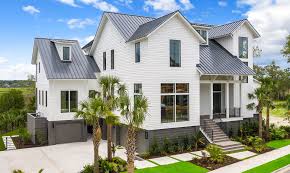
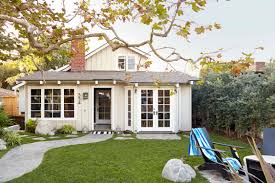
Front Entrance Design Ideas That Impress Visitors
Front Entrance Design Ideas That Impress Visitors are essential for setting the tone of your home or business. The entrance is often the first point of contact for visitors, making it crucial to create a welcoming and visually appealing space. From architectural styles to landscaping and lighting, there are numerous elements to consider when designing an entrance that leaves a lasting impression.
By understanding the basics of entrance design, exploring different materials, and incorporating personal touches, you can craft an inviting atmosphere that resonates with anyone who approaches. Let’s dive deeper into how each aspect contributes to an impressive front entrance.





Entrance Design Basics
The entrance of any property, be it residential or commercial, serves as the first point of interaction, establishing an immediate impression that resonates with visitors. A thoughtfully designed entrance can evoke feelings of welcome, security, and even sophistication, setting the tone for the entire experience within the space. The significance of entrance design lies not only in its functionality but also in its ability to embody the essence of the property.
Key design elements such as gates, pathways, lighting, and landscaping play a crucial role in enhancing the front entrance and contribute to the overall aesthetic.
Key Design Elements of Front Entrances
Several design elements can significantly enhance the appeal and functionality of front entrances. Each element can contribute to a cohesive and inviting entrance that leaves a lasting impression on visitors. Here are some essential design features to consider:
- Pathways: A well-defined pathway directs visitors to the entrance and adds structure to the landscape. Materials like stone, brick, or decorative concrete can elevate the aesthetic appeal.
- Lighting: Effective lighting not only enhances safety but also accentuates architectural features. Warm, inviting lights can create a welcoming ambiance during evening hours.
- Landscaping: Thoughtful landscaping, including shrubs, flowers, and trees, adds color and texture, making the entrance visually engaging. Seasonal plants can also provide a dynamic look throughout the year.
- Entrance Features: Elements such as doors, gates, and arches can create a focal point. Unique designs or materials can indicate the style of the property, whether modern, traditional, or eclectic.
- Signage: Clear and stylish signage helps visitors identify the property. The design should complement the overall aesthetics while providing necessary information.
Psychological Effects of a Well-Designed Entrance
The entrance design has profound psychological implications for visitors. A space that is welcoming and well-structured can evoke positive feelings and set expectations for the experience inside. Specific psychological effects include:
- First Impressions: A visually appealing entrance can create a positive first impression, which is crucial in both residential and commercial contexts. Visitors are more likely to feel comfortable and valued.
- Sense of Security: Well-lit and thoughtfully designed entrances can enhance the feelings of safety and security, promoting a sense of trust among visitors.
- Emotional Connection: Beautiful, inviting designs can foster an emotional connection to the space. This connection can be vital for businesses looking to create brand loyalty.
- Increased Engagement: A captivating entrance can encourage visitors to explore further. They are more likely to spend time engaging with the property if they find the entrance appealing.
“The entrance is more than just a gateway; it is the soul of the property, reflecting its character and inviting connection.”
Architectural Styles

Source: atlanticprojectcargo.com
When it comes to front entrance design, architectural styles play a pivotal role in shaping the features and aesthetics that greet visitors. The entrance is often the first impression of a home or building, and the architectural style chosen can influence not just the visual appeal but also the emotions it evokes. Various architectural styles, from modern to traditional, each bring unique elements that contribute to an impressive entryway.Architectural styles influence not only the structure of the entrance but also its decorative components, such as doors, windows, and surrounding landscaping.
Understanding the distinctions between modern and traditional designs is crucial for homeowners and architects alike, as each style carries its own charm and appeal. Here, we explore these styles while also considering cultural influences that have inspired unique front entrance designs across the globe.
Modern Versus Traditional Entrance Designs
Modern entrance designs typically emphasize clean lines, minimalism, and a blend of materials such as glass, steel, and concrete. This approach often incorporates large, open spaces that invite natural light, creating a welcoming atmosphere. Features like oversized doors and expansive windows are hallmarks of modern design, allowing for seamless connectivity between the indoors and outdoors. For example, a contemporary home may feature a sleek, pivot door made of rich hardwood or frosted glass that adds a touch of sophistication.On the other hand, traditional entrance designs are characterized by their warmth and intricate details.
Elements such as ornate moldings, classic columns, and decorative ironwork often define these spaces. A traditional entrance might include a grand wooden door with detailed carvings, flanked by sidelights and a transom window that enhances the overall elegance. The inviting nature of these designs often reflects historical architectural influences, such as Colonial or Victorian styles.The appeal of modern designs lies in their simplicity and functionality, attracting those who appreciate a contemporary aesthetic.
In contrast, traditional designs resonate with individuals who cherish nostalgia and craftsmanship. Understanding these differences helps homeowners make informed decisions based on their personal style and the overall character of their property.
Cultural Influences on Front Entrance Designs
Cultural heritage greatly influences architectural styles, resulting in distinct characteristics that define the front entrances of homes worldwide. Different regions have embraced their unique building techniques and materials, creating entrances that reflect local customs and traditions.For instance, Mediterranean-style entrances often feature arched doorways, wrought-iron gates, and vibrant tiles, embodying the warmth of southern Europe. In contrast, Japanese architecture often emphasizes simplicity and tranquility, with sliding doors and natural materials that create a harmonious connection to nature.
A traditional Japanese entrance may include a torii gate, which symbolizes the transition from the mundane to the sacred.Additionally, in craftsman-style homes, often associated with the Arts and Crafts movement, the entrance emphasizes organic materials like wood and stone, showcasing handcrafted elements and intricate details. This style often features a wide, welcoming porch with sturdy columns and a low-pitched roof, designed to create a sense of shelter and comfort.The blending of these cultural influences not only enhances the aesthetic appeal but also enriches the story behind each home, making the entrance a true reflection of its heritage and the personality of its inhabitants.
Materials and Finishes
The choice of materials and finishes for your front entrance plays a pivotal role in defining the aesthetic appeal and functionality of your home. Selecting the right materials not only enhances the entrance’s visual appeal but also contributes to its durability and maintenance requirements. Understanding the options available can help you create an inviting space that makes a memorable first impression on visitors.Different materials offer unique characteristics that can influence the overall look and feel of your entrance.
The finish applied to these materials affects not only their appearance but also their resistance to weathering and wear. Below is a list of popular materials used in front entrance designs, along with a discussion on how finishes can impact their aesthetics and maintenance.
Popular Materials
When designing your front entrance, consider the following materials, each known for its distinctive qualities and visual appeal:
- Wood: Offers warmth and natural beauty, available in various species and finishes.
- Stone: Provides a timeless and durable look, with options like granite, limestone, and slate.
- Brick: Known for its classic charm and strength, available in various colors and patterns.
- Concrete: Versatile and modern, can be poured or formed into various shapes and textures.
- Metal: Offers a sleek, contemporary look, commonly used in railings, doors, and fixtures.
The finish applied to these materials can dramatically alter their appearance. For example:
“A high-gloss finish can enhance the vibrancy of a color, whereas a matte finish may impart a more subdued, natural look.”
Impact of Finishes
Finishes not only elevate the visual appeal of materials but also influence their longevity and maintenance needs. Here’s how different finishes can affect your front entrance:
- Paint: Adds color and protection but requires regular maintenance to avoid chipping or fading.
- Stain: Penetrates wood surfaces, enhancing natural grain while providing water resistance with less maintenance than paint.
- Sealers: Applied to porous materials like stone and concrete to prevent staining and enhance durability.
- Varnishes: Offer a glossy finish to wood, enhancing its natural beauty while protecting against moisture.
- Powder Coating: Common for metal finishes, providing a durable, weather-resistant layer that resists chipping and fading.
Maintenance Considerations
Understanding the maintenance requirements of different materials is essential for long-term satisfaction with your front entrance design. Here’s a breakdown of maintenance considerations for popular materials:
- Wood: Requires regular sealing or staining to protect against moisture and UV damage; susceptible to rot and pests.
- Stone: Generally low maintenance but may need sealing and occasional cleaning to prevent moss and stains.
- Brick: Durable but may require re-pointing of mortar joints over time, along with cleaning to remove moss.
- Concrete: Needs sealing to prevent cracking and staining; can be easily cleaned with a pressure washer.
- Metal: Needs periodic cleaning and may require repainting every few years to prevent rust or corrosion.
Landscaping for Entrances
Landscaping plays a crucial role in enhancing the overall aesthetic of your entrance. A well-designed landscape not only complements your architectural design but also sets the tone for the entire property. It creates a welcoming atmosphere that can impress visitors from the moment they arrive. Thoughtful landscaping can highlight key features of your entrance, connect different elements harmoniously, and introduce seasonal variations that keep the appearance fresh throughout the year.
A successful landscape design for your entrance should integrate various components like plants, pathways, and decorative elements. Incorporating plants and greenery effectively can enhance the visual appeal while providing functional benefits such as privacy and shade. Consideration of the local climate, soil conditions, and maintenance requirements is essential when selecting plants and designing your entrance area. By creating visual layers and using diverse plant species, you can create a vibrant and inviting entryway that resonates with visitors.
Incorporating Plants and Greenery, Front Entrance Design Ideas That Impress Visitors
The strategic placement of plants and greenery can significantly enhance your entrance’s charm. When incorporating plants, it’s essential to consider factors such as scale, color, and texture. Here are some effective ways to incorporate plants:
1. Layering
Use taller plants at the back and shorter ones in front to create depth.
2. Focal Points
Position a standout plant or sculpture to draw attention and create interest.
3. Pathway Borders
Line pathways with low-growing plants or flowers, guiding visitors towards the entrance.
4. Seasonal Rotations
Change plant selections with the seasons to maintain a dynamic look throughout the year.
5. Container Gardens
Use pots and planters to introduce color and variety, especially in limited spaces.
It’s also vital to choose plants that thrive in the specific conditions of your entrance, such as sun exposure and soil type. Native plants are often a great choice as they are adapted to local climates and require less maintenance.
Seasonal Flowers for Enhanced Entrance Appeal
Incorporating seasonal flowers can add a vibrant touch to your entrance, making it more inviting throughout the year. The right flower choices can enhance curb appeal and reflect the changing seasons. Here’s a selection of seasonal flowers to consider:
Spring
Tulips
Available in various colors, they create a cheerful atmosphere.
Daffodils
Their bright yellow hue symbolizes the arrival of warmer weather.
Hyacinths
Known for their delightful fragrance, they add sensory appeal.
Summer
Petunias
Hardy and colorful, they flourish in sunny conditions.
Marigolds
Their vibrant orange and yellow shades bring warmth to the entrance.
Zinnias
Available in numerous colors, they attract butterflies and are easy to care for.
Autumn
Chrysanthemums
A fall favorite, offering rich colors that complement the season.
Asters
Blooming late in the season, they provide a final burst of color.
Pansies
These hardy flowers can withstand the cooler temperatures and enhance fall displays.
Winter
Poinsettias
Popular during the holiday season, they add festive flair.
Holly
With its bright red berries, it introduces seasonal color and texture.
Cyclamen
Their unique shape and colors brighten up winter landscapes.
By carefully selecting and arranging seasonal flowers, you can create an entrance that is not only visually appealing but also showcases the beauty of nature throughout the year.
Lighting Techniques
Creating an inviting entrance is essential for making a great first impression on visitors. One of the best ways to enhance the appeal of your front entrance is through effective lighting techniques. Not only does appropriate lighting improve visibility, but it also sets the mood and highlights architectural features, landscaping, and decorative elements. Let’s explore various lighting techniques that can elevate your entrance and provide tips for creating the right ambiance.
Types of Lighting Techniques
Different lighting techniques can significantly enhance the visual appeal of your entrance. Here are some popular methods:
- Ambient Lighting: This form of lighting provides general illumination to the entrance area. It can be achieved with fixtures like wall sconces or overhead lights that wash the space in a soft glow.
- Task Lighting: Task lighting is focused on specific areas where activities occur, such as illuminating steps or pathways. Spotlights or LED pathway lights are common choices for this purpose.
- Accent Lighting: Accent lighting is used to highlight architectural features or landscaping elements, such as a sculpture or decorative plants. Well-placed spotlights can draw attention to these focal points.
- Decorative Lighting: This type of lighting adds charm and character to the entrance. Fixtures like lanterns or string lights can create a cozy, inviting atmosphere.
- Focal Lighting: Focal lighting directs attention to particular elements like a front door or a piece of wall art. This is often achieved with strategically positioned uplights.
Creating Ambiance with Outdoor Lighting
Outdoor lighting plays a critical role in creating a welcoming atmosphere at your entrance. Here are some tips to effectively use lighting for ambiance:
- Layer Your Lighting: Use a combination of ambient, task, and accent lighting to create depth and interest. This layering effect helps to balance the overall brightness and enhances the space.
- Consider Color Temperature: Use warm white bulbs (2700K to 3000K) for a cozy and inviting feel. Cool white bulbs (4000K and above) can feel harsh and clinical, which might not be suitable for residential entrances.
- Use Dimmers: Installing dimmers allows you to adjust the lighting levels based on the time of day or occasion, giving you control over the ambiance you wish to create.
- Incorporate Lighting into Landscaping: Utilize low-voltage landscape lights to illuminate pathways, trees, and shrubs, enhancing the overall appeal of the entrance while ensuring safety.
Energy-Efficient Lighting Options
Choosing energy-efficient lighting solutions not only contributes to sustainability but also reduces electricity costs. Here are some effective options for entrance areas:
- LED Bulbs: LEDs consume significantly less energy than traditional incandescent bulbs and have a longer lifespan. They are available in various styles to fit different fixtures.
- Solar-Powered Lights: Solar lights are an excellent option for outdoor entrances. They harness sunlight during the day and automatically illuminate at night, requiring no wiring or electricity.
- CFL Bulbs: Compact fluorescent lamps (CFLs) are another energy-efficient alternative. Though less popular than LEDs now, they still offer good energy savings and a longer life than incandescents.
- Smart Lighting Systems: Incorporating smart lighting allows you to control your outdoor lights remotely. You can set schedules, adjust brightness, and even change colors to suit different occasions.
“Creating a well-lit entrance can dramatically enhance the beauty and functionality of your home, making it both inviting and safe for guests.”
Color Schemes
The choice of colors in front entrance design plays a crucial role in shaping the first impression of a property. Color has the power to evoke emotions, set the tone for the rest of the home, and influence how visitors perceive the value and style of the residence. A well-thought-out color scheme can enhance architectural features, create visual harmony, and attract attention in a way that invites guests to explore further.Understanding the impact of color on entrance design can elevate the overall aesthetic and functionality of your home.
Different colors can embody various feelings and attributes, influencing the mood upon entering. For example, warm colors like red and orange can create a sense of excitement and energy, while cooler shades such as blue and green evoke calmness and tranquility. A well-balanced color palette not only enhances visual appeal but also reinforces the character of the home.
Color Palette for Front Entrances
Choosing the right colors for your front entrance can significantly affect how welcoming and stylish it appears. Here are some effective color palettes that work well for front entrances:
- Classic Neutrals: Shades of gray, taupe, and cream provide a timeless and elegant look, perfect for traditional homes.
- Earthy Tones: Colors like terracotta, olive green, and rich browns bring warmth and a natural feel, well-suited for rustic or farmhouse styles.
- Bold Accents: Incorporating vibrant colors such as deep blue or burgundy as accents against soft neutrals can create striking focal points.
- Soft Pastels: Light shades of pink, mint, and lavender can add a gentle touch, ideal for cottages and coastal homes.
Trending Color Combinations for Modern Entrances
In contemporary design, specific color combinations are gaining popularity for their ability to create a striking and modern entrance. Here are some trending pairs:
- Black and White: A classic duo that epitomizes sophistication and modernity, often used for sleek front doors and trim.
- Charcoal and Soft Blue: The contrast between dark charcoal and soft blue creates a calming yet dramatic look.
- Mustard Yellow and Gray: This unexpected combination radiates warmth and contemporary flair, perfect for those looking to make a statement.
- Teal and Coral: A fresh and vibrant mix, this pairing brings a playful energy to entrances, appealing to a younger demographic.
“Color is the keyboard, the eyes are the harmonies, the soul is the piano with many strings.”
Wassily Kandinsky
These combinations not only reflect current design trends but also showcase the personality and style of the homeowner. Selecting the right colors can transform an ordinary entryway into a captivating introduction to your home.
Functional Accessories
Front entrance design isn’t just about aesthetics; it’s also about functionality. The right accessories can significantly enhance the usability of your entrance, making it more welcoming and practical for both residents and visitors. Functional accessories serve both a decorative and practical purpose, ensuring that your entrance is not only visually appealing but also efficient in its use.
Role of Door Hardware
Door hardware is a crucial aspect of any entrance design. It includes items such as doorknobs, handles, hinges, and locks, which not only serve the functional purpose of operating the door but also contribute significantly to the overall aesthetic of the entrance. The selection of door hardware can dictate the style of your home, whether it’s modern, traditional, or somewhere in between.
High-quality hardware can enhance the security of your home while adding a touch of elegance and style.
Must-Have Accessories for Front Entrances
Incorporating functional accessories into your front entrance can enhance the overall experience for visitors. Here’s a checklist of essential accessories that combine functionality and style, ensuring your entrance is both practical and inviting:
- Welcome Mat: A durable welcome mat adds a warm touch while helping to keep your entrance clean by trapping dirt and debris.
- Lighting Fixtures: Strategically placed lighting can improve visibility at night and highlight architectural features. Consider wall sconces or pendant lights for an inviting glow.
- Doorbell or Intercom System: A modern doorbell or intercom system increases convenience and security, allowing you to communicate with visitors from inside your home.
- Planters: Adding planters with seasonal flowers or greenery can bring life and color to your entrance, making it more dynamic and welcoming.
- Mailbox: A stylish mailbox not only serves its purpose but also adds to the overall look of your entrance. Choose one that complements your home’s architectural style.
- Coat Rack or Hooks: If space allows, a coat rack or wall hooks can provide a practical place for guests to hang jackets or bags, keeping your entrance tidy.
- Seating Area: A small bench or seating area can offer a place for guests to sit while waiting. This adds an inviting touch and can be decorated with cushions for extra comfort.
By selecting these functional accessories strategically, you can create a front entrance that not only impresses visitors but also enhances the day-to-day usability of your home. Each piece plays a role in setting the tone for what guests can expect inside, making it essential to choose wisely.
Safety and Security Features
When designing an entrance that captivates and welcomes visitors, it’s crucial to integrate safety and security features seamlessly. These elements not only protect the property and its occupants but also contribute to the overall aesthetic appeal. Effective entrance design should marry beauty with functionality, ensuring that safety measures enhance rather than detract from the visual charm.A well-designed entrance should prioritize security while maintaining an inviting atmosphere.
Various measures can be employed that blend with the architectural style of the home or building. Security features should not be bulky or obtrusive; instead, they should complement the design, often becoming a part of its beauty. Here are some key elements that contribute to both safety and security while enhancing the entrance’s aesthetic:
Integrating Security Measures
To ensure safety without sacrificing style, consider the following security measures:
- Smart Locks: These can be installed discreetly, providing keyless entry and remote access without the need for visible security devices.
- Security Cameras: Modern surveillance systems can be designed to blend with the architecture, often resembling decorative elements or being strategically placed to minimize visibility.
- Fencing and Gates: A well-designed gate can act as a barrier while enhancing curb appeal. Options like wrought iron or decorative wood can add elegance while providing security.
- Security Alarms: Systems that are hidden from view can ensure protection without compromising the aesthetic of the entrance. Wireless options are particularly versatile.
- Landscape Lighting: This can deter intruders and create an inviting ambiance simultaneously. Thoughtfully placed lights can illuminate pathways and entrances without being harsh or intrusive.
Role of Lighting and Visibility
Good lighting plays a pivotal role in enhancing entrance security. Effective lighting ensures that all areas are visible, reducing dark spots where intruders might hide. Here are some considerations regarding lighting:
- Pathway Lights: Installing low-level lights along walkways not only guides guests but also enhances visibility, making it difficult for unauthorized individuals to approach unnoticed.
- Motion Sensors: These lights activate upon detecting movement, startling potential intruders and alerting homeowners to unexpected visitors.
- Accent Lighting: Highlighting architectural features with soft lighting can deter crime while drawing attention to the beauty of the property.
- Smart Lighting Systems: These can be programmed to mimic regular activity in the home, creating the illusion of occupancy even when the residents are away.
Incorporating safety and security features into entrance design is essential for peace of mind and can be achieved without compromising on style. By thoughtfully integrating these elements, an entrance can be both inviting and secure, embodying the perfect balance of safety and aesthetic appeal.
Personalization and Customization: Front Entrance Design Ideas That Impress Visitors
Creating a memorable entrance to your home is all about adding personal touches that resonate with who you are. A well-thought-out entrance design doesn’t just welcome guests; it also speaks volumes about your tastes, lifestyle, and personality. Personalization can transform a standard entryway into a unique reflection of your character, making a lasting impression on visitors. From decorative elements to custom architecture, the possibilities are endless when it comes to making your entrance uniquely yours.
One effective way to enhance your entrance design is through unique features that showcase your individuality. Custom elements, like a personalized door or bespoke lighting, can serve as focal points that draw the eye and set the tone for your home. Consider the following unique features that can reflect your personality and style:
Unique Entrance Features
Incorporating distinctive elements into your entrance can significantly enhance its visual appeal and character. Here are some examples of features that can be tailored to suit your personal taste:
- Custom Doors: A uniquely designed door can serve as a statement piece. For instance, a handcrafted wooden door with intricate carvings can evoke a rustic charm, while a sleek, modern glass door can reflect contemporary tastes.
- Personalized Welcome Mats: A custom welcome mat with your family name or a fun greeting can add a warm touch to your entrance. Choose colors and designs that complement your overall aesthetic.
- Artistic Lighting Fixtures: Unique light fixtures, such as pendant lights or lantern-style sconces, can create an inviting atmosphere. Opt for designs that reflect your style, be it vintage, industrial, or minimalist.
- Seasonal Decor: Rotating seasonal decorations, from wreaths to potted plants, can change the vibe of your entrance throughout the year, reflecting your personality and the seasons.
- Architectural Details: Elements like archways, columns, or decorative molding can elevate your entrance. Custom designs can either match the architectural style of your home or stand out as unique statements.
Collaborating with designers for custom entrances can turn your vision into reality. Here’s a guide to help you navigate the process effectively:
Collaborating with Designers
Working with a designer can streamline the process of creating a customized entrance that meets your aesthetic goals. Below are steps to make this collaboration fruitful:
- Define Your Style: Before meeting with a designer, gather inspiration from magazines, websites, and social media. Create a mood board that reflects your style preferences, colors, and desired materials.
- Communicate Your Vision: Clearly articulate your ideas and expectations to your designer. Share your mood board, specific features you want, and any practical needs you have for your entrance.
- Set a Budget: Discuss your budget upfront to ensure that the designer can create a plan that aligns with your financial constraints. This will help avoid any surprises later in the process.
- Embrace Flexibility: While it’s important to stick to your vision, be open to the designer’s suggestions. They have valuable expertise and can offer innovative solutions you may not have considered.
- Review Plans Together: Stay actively involved in the design process. Regularly review the plans, materials, and color choices with your designer to ensure everything aligns with your vision.
By adding personal touches and collaborating closely with designers, you can create an entrance that not only impresses visitors but also perfectly represents who you are.
Seasonal Updates
Transforming your front entrance to reflect the changing seasons not only enhances your home’s curb appeal but also creates a dynamic and welcoming atmosphere for visitors year-round. Seasonal updates provide the perfect opportunity to showcase your creativity while keeping your entrance fresh and inviting.One of the best ways to refresh your entrance design is to rotate seasonal decor that highlights the unique characteristics of each season.
This approach allows homeowners to express their personal style while creating an engaging experience for guests. Regularly updating your entrance can significantly enhance the visual appeal of your home and create a sense of warmth and hospitality.
Seasonal Decor Ideas
Incorporating seasonal decor can significantly impact the first impression your home makes. Here are some ideas for seasonal updates that can impress visitors:
- Spring: Embrace the essence of renewal by adding colorful flower pots or hanging baskets filled with vibrant blooms. A fresh coat of paint on the door in pastel shades can also uplift the entrance.
- Summer: Use bright, cheerful colors and lightweight fabrics. Consider adding a summer-themed welcome mat and some decorative lanterns to enhance the relaxed vibe.
- Fall: Opt for warm hues like oranges and browns. Incorporate pumpkins, gourds, and festive wreaths made from seasonal foliage to create an inviting atmosphere.
- Winter: Choose cozy elements like evergreen garlands, seasonal lights, and a festive door wreath. This can create a magical, welcoming feel during the colder months.
Maintaining a dynamic entrance throughout the year provides numerous benefits. An evolving entrance design not only keeps your home looking contemporary but also reflects seasonal changes that resonate with nature. By showcasing the beauty of each season, you foster a sense of connection with your surroundings, making your home a more inviting place for both you and your visitors.
“A well-designed entrance tells a story, inviting the viewer to explore further.”
Ending Remarks
In summary, creating a captivating entrance is an art that combines various design principles and personal flair. From thoughtful landscaping to the right color schemes and lighting techniques, every detail matters in crafting an inviting space. By implementing these Front Entrance Design Ideas That Impress Visitors, you can ensure that your entrance not only welcomes guests but also reflects your unique style and personality.
FAQ
What are the key elements of a great front entrance?
Key elements include architectural style, materials, landscaping, lighting, and personal touches that reflect your style.
How can I choose the right color scheme for my entrance?
Consider the overall style of your home and opt for colors that enhance its features while also standing out attractively.
What role does landscaping play in entrance design?
Landscaping complements the entrance by adding beauty and warmth, helping to create an inviting atmosphere.
Are there energy-efficient lighting options for entrances?
Yes, LED lights and solar-powered fixtures are excellent energy-efficient options for illuminating entrance areas.
How can I personalize my front entrance?
You can add unique features like custom door hardware, personalized welcome signs, or unique planters that reflect your personality.