Front Yard Landscaping Ideas For Modern Homes
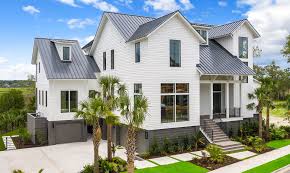
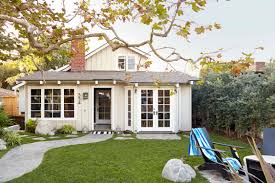
Front Yard Landscaping Ideas For Modern Homes is all about transforming your outdoor space into a stunning showcase that complements contemporary architectural designs. With a blend of innovative trends, sustainable practices, and thoughtful plant selections, your front yard can become a welcoming extension of your home. This guide explores exciting ideas and practical tips to elevate your curb appeal while ensuring functionality and style.
By focusing on modern landscaping trends and incorporating popular materials, you can create a space that not only looks great but also aligns with eco-friendly practices. From selecting low-maintenance plants to integrating hardscapes and lighting, there is a wealth of options to consider for your front yard design.



Modern Front Yard Landscaping Trends
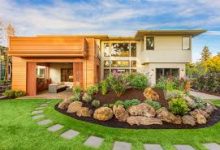
The world of front yard landscaping has seen a significant transformation in recent years, with a strong focus on aesthetics, functionality, and sustainability. Modern homeowners are increasingly looking to create spaces that not only enhance the visual appeal of their property but also contribute positively to the environment. This shift has led to the emergence of various trends that combine innovative design with eco-friendly practices.Current trends in front yard landscaping emphasize clean lines, minimalist designs, and the integration of natural elements.
Homeowners are gravitating towards landscapes that reflect a contemporary style while being easy to maintain. One prominent aspect of this trend is the choice of materials. Popular materials now include:
Popular Materials in Contemporary Landscaping
Selecting the right materials is crucial for establishing a modern aesthetic in front yard landscaping. The following materials are often favored for their durability and visual appeal:
- Stone and Gravel: These materials are perfect for creating pathways and borders, offering a rustic yet sophisticated look.
- Composite Decking: Used for decking and elevated garden beds, composite materials provide longevity and environmental benefits.
- Concrete: With its versatility, concrete can be molded into various shapes for walkways, seating areas, and even decorative features.
- Metal Accents: Materials like corten steel are increasingly used for edging, planters, and art installations, giving a sleek, modern vibe.
- Native Plants: Incorporating local flora into landscaping promotes biodiversity and requires less water and maintenance.
The combination of these materials not only enhances the aesthetic appeal but also aligns with sustainable practices, which are becoming an integral part of modern landscaping.
Sustainable Practices in Front Yard Design
Sustainability in landscaping is no longer an option but a necessity. Modern designs are focusing on reducing environmental impact while maintaining beauty. Sustainable practices often include:
- Rain Gardens: These are designed to capture rainwater runoff and help manage stormwater, enhancing the landscape’s ecological function.
- Xeriscaping: This technique encourages the use of drought-resistant plants and minimizes the need for irrigation, promoting water conservation.
- Recycled Materials: Utilizing reclaimed wood, bricks, and stones reduces waste and adds unique character to the landscape.
- Permeable Paving: This allows rainwater to filter through surfaces, preventing runoff and reducing flooding potential.
- Edible Landscaping: Incorporating fruit-bearing plants or vegetable gardens allows homeowners to grow their own food, promoting sustainability and self-sufficiency.
By implementing these sustainable practices, homeowners can create a front yard that not only looks modern but also respects and enhances the environment. The convergence of aesthetics with eco-friendly methods marks a significant trend in today’s landscaping practices, making modern homes more livable and environmentally friendly.
Plant Selection for Modern Landscapes: Front Yard Landscaping Ideas For Modern Homes
Choosing the right plants is vital for achieving a modern look in your front yard landscaping. The selection of low-maintenance plants that harmonize with contemporary architectural styles ensures a clean, elegant, and inviting outdoor space. This section will guide you through suitable plant options, how to match them with your home’s design, and tips for maintaining a cohesive color palette.
Low-Maintenance Plants Suitable for Modern Front Yards
When selecting plants for a modern landscape, it’s important to consider those that require minimal upkeep while still providing aesthetic value. Here are some excellent low-maintenance options:
- Ornamental Grasses: Perfect for adding texture and movement, varieties like Blue Fescue or Feather Reed Grass thrive with little care.
- Succulents: These drought-resistant plants, such as Echeveria and Agave, come in various shapes and colors, perfect for modern aesthetics.
- Lavender: This fragrant herb not only attracts pollinators but also requires minimal watering and maintenance.
- Boxwood: A classic choice for modern gardens, Boxwoods are evergreen and can be easily shaped to complement architectural lines.
- Hardy Perennials: Plants like Black-eyed Susans and Daylilies bloom year after year with little attention needed.
Choosing Plants That Complement Modern Architectural Style
To achieve a harmonious balance between your front yard and your home’s modern architecture, select plants that reflect clean lines and simplicity. Focus on the following aspects when choosing plants:
Form and Structure
Opt for plants with geometric shapes and neat forms. For instance, tall columnar trees or rounded shrubs can mirror the sleek lines of modern homes.
Plant Height
Consider layering plants by height to create depth. Taller plants at the back and shorter ones in front help maintain visibility and enhance the overall design.
Texture Diversity
Combine smooth-leaved plants with those that have textured or rough foliage. This variety creates visual interest while still adhering to a modern aesthetic.
Cohesive Color Palette with Flowers and Foliage
Creating a cohesive color palette is essential for a polished modern landscape. Here are some tips to maintain visual consistency with your plant selections:
Color Coordination
Choose plants that offer a limited color palette. For instance, sticking to shades of green, white, and grey can provide a minimalist look. Adding splashes of color with seasonal blooms, like bright red or yellow flowers, can add interest without overwhelming the design.
Foliage as a Focal Point
Select plants whose foliage is just as colorful as their flowers. Variegated plants or those with unique leaf shapes can provide year-round appeal.
Seasonal Variation
Incorporate plants that bloom at different times throughout the year to ensure your landscape remains vibrant. For instance, early spring bulbs can transition into summer perennials, providing a continuous array of colors.
“A well-planned plant selection not only complements modern architecture but also enhances the overall curb appeal of your home.”
Hardscape Ideas for Front Yards
In modern landscaping, hardscaping plays a crucial role in not only aesthetic appeal but also functionality. The integration of hardscapes such as pathways, patios, and walls can transform a front yard into an inviting space that complements the architecture of the home. Utilizing various materials can enhance the overall design while providing durability and low-maintenance options. When planning hardscape features in your front yard, consider designing a layout that harmonizes with existing structures and natural elements.
A well-thought-out design can create defined areas for walking, relaxing, and even entertaining. For example, a stone pathway leading to the entrance can guide guests while adding visual interest. Additionally, a cozy patio space can provide a perfect spot for morning coffee or evening gatherings. Walls, whether used for privacy or as decorative features, can frame the yard beautifully.
Layout Design for Hardscapes
Creating a layout for your front yard hardscapes involves understanding the flow of your space and how each element interacts with one another. Here are key components to consider when designing:
- Pathways: Use them to direct foot traffic, connecting various areas of the yard and providing a clear route to the front door.
- Patios: Designate a space for outdoor furniture to encourage relaxation and socializing, enhancing the yard’s usability.
- Walls: Consider incorporating retaining walls or decorative stone walls that can add height and structure while offering functional benefits.
Benefits of Stone, Concrete, and Wood in Hardscape Designs
Utilizing different materials for hardscaping can significantly impact both the durability and aesthetics of your front yard. Each material has unique benefits that contribute to the overall design:
- Stone: Natural stone offers timeless beauty and durability, making it ideal for pathways and walls. Its unique colors and textures add character to landscaping.
- Concrete: Highly versatile, concrete can be poured into various shapes and sizes, allowing for creative designs. It’s also incredibly durable and low-maintenance, perfect for patios and walkways.
- Wood: While it requires more maintenance, wood can provide a warm, organic feel. It is often used in decking and borders, adding a natural touch to hardscape elements.
Comparison of Hardscape Materials
When selecting hardscape materials, it’s essential to consider both durability and aesthetic appeal. Below is a comparison table that highlights these factors for various hardscape materials:
| Material | Durability | Aesthetics | Maintenance |
|---|---|---|---|
| Natural Stone | High | Elegant, unique | Low |
| Concrete | Very High | Modern, customizable | Very Low |
| Wood | Moderate | Warm, rustic | High |
“The right hardscape materials can enhance the beauty and functionality of your front yard, creating a welcoming environment for all who visit.”
Lighting Techniques for Enhancing Front Yards
The right lighting can transform your front yard into a stunning visual spectacle, enhancing its beauty and functionality. Strategic lighting not only illuminates pathways and enhances safety but also highlights landscaping features, adding depth and interest to your outdoor space. Understanding how to use light creatively can significantly elevate the appeal of modern homes.To effectively use lighting in your front yard, it’s essential to identify and highlight key landscape features.
Focus on elements such as trees, shrubs, and architectural details of your home. By using different types of lighting techniques, you can draw attention to these aspects and create a warm, inviting atmosphere. For instance, uplighting can make trees and tall plants appear more majestic, while downlighting can create a soft glow over pathways or outdoor seating areas.
Innovative Lighting Ideas for Modern Home Facades
Incorporating innovative lighting ideas can dramatically enhance the facade of modern homes. These suggestions highlight features that blend seamlessly with contemporary architecture while providing functionality.
Highlighting Architectural Lines
Install linear LED lights along the edges of your home’s facade to emphasize its architectural lines. This creates a sleek, modern look that enhances visual interest.
Wall Wash Lighting
Using wall-mounted fixtures to wash light against the exterior walls can create a dramatic effect, showcasing textures and colors that may go unnoticed during the day.
Accent Lighting for Planters
Install small spotlights in or around planter boxes to draw attention to the greenery and flowers, creating a vibrant display after dark.
Pathway Lighting
Use innovative fixtures like luminaire bollards or solar-powered stakes along pathways. They not only guide guests safely but also add an artistic flair.
Smart Lighting Solutions
Consider programmable lighting systems that can change colors or themes based on the season or time of day, giving your front yard a dynamic quality.
Energy-Efficient Outdoor Lighting Options
Choosing energy-efficient lighting options is not only good for the environment but also reduces energy bills. Here are several options that blend sustainability with style:
LED Lights
These are an excellent choice for outdoor lighting due to their longevity and low energy consumption. They can be used in various fixtures, from string lights to downlights.
Solar-Powered Fixtures
Ideal for areas with ample sunlight, solar lights harness solar energy during the day, providing illumination at night without increasing energy costs.
CFL Bulbs
Compact fluorescent lamps (CFLs) use significantly less electricity than traditional incandescent bulbs and can be used in outdoor fixtures.
Smart LED Bulbs
These can be programmed to turn on/off automatically or to adjust brightness based on the time of day, enhancing efficiency while maintaining aesthetic appeal.
Motion-Sensor Lights
Utilizing motion sensors not only saves energy by ensuring lights are only on when needed but also adds a layer of security to your home.
“Effective outdoor lighting accentuates your home’s beauty and enhances safety, making it an essential aspect of front yard landscaping.”
Water Features in Modern Front Yard Landscaping
Incorporating water features into front yard landscaping not only enhances aesthetic appeal but also contributes a sense of tranquility and relaxation to any modern home. The soothing sounds of flowing water can create a serene environment, transforming an ordinary yard into a personal oasis. As homeowners seek to create innovative outdoor spaces that reflect contemporary design principles, water features have emerged as a stylish and calming element.Water features come in various designs that can seamlessly blend with modern landscaping styles.
From sleek fountains to minimalist ponds and gracefully meandering streams, each option offers unique benefits and visual impact. Selecting the right type of water feature involves considering the overall landscape design, available space, and personal preferences. Below are some popular design options suitable for modern aesthetics:
Design Options for Water Features
When designing water features, it’s essential to align them with the clean lines and simplicity often found in modern architecture. Here are some effective design options:
- Modern Fountains: Vertical wall fountains made of sleek materials like stainless steel or smooth stone create a striking visual and auditory effect. Their minimalist designs fit well in contemporary spaces.
- Ponds with Clean Edges: A geometric pond with sharp lines and a flat surface can complement a modern home. Incorporating aquatic plants like water lilies enhances the beauty while maintaining a tidy look.
- Stream Features: A gently flowing stream with a natural stone bed can provide a dynamic element to the landscape. This design mimics nature while offering a modern twist through controlled placement and materials.
- Reflecting Pools: Shallow reflecting pools can serve as a visual anchor, creating a mirror-like effect that reflects surrounding plants and structures, thus enhancing the sense of space and tranquility.
Maintaining water features is crucial to ensure they remain functional and visually appealing. Regular upkeep not only prolongs their lifespan but also enhances the overall landscape’s health. Here are some important maintenance tips for keeping water features clean and functional:
Maintenance Tips for Water Features
To enjoy the benefits of water features, consider these maintenance tips that help keep them in pristine condition:
- Regular Cleaning: Clean the water surface and remove debris such as fallen leaves and dirt to prevent algae growth. This can be done weekly during peak seasons.
- Check Water Levels: Maintaining appropriate water levels is vital. Top off ponds or fountains as necessary, especially during hot weather to avoid pump damage.
- Water Quality Management: Use water treatments as needed to control algae and maintain water clarity. Regularly test the water for pH levels to ensure a healthy ecosystem.
- Inspect Pumps and Filters: Regularly check and clean pumps and filters to ensure they are functioning correctly. Replace any damaged parts promptly to prevent operational issues.
Incorporating water features into front yard landscaping not only enhances aesthetics but also promotes a sense of peace, making your outdoor space a relaxing retreat. By selecting the right design and maintaining them properly, water features can become a stunning focal point of your modern home.
Functional Spaces in Front Yard Design

Source: alamy.com
Creating a functional front yard not only enhances the curb appeal of modern homes but also contributes to a lifestyle that embraces outdoor living. By thoughtfully designing spaces that serve specific purposes, homeowners can enjoy their front yards as extensions of their living areas. This approach allows for relaxation, entertainment, and even dining—all while maintaining an inviting atmosphere.When considering the layout of functional outdoor living spaces, it is essential to incorporate elements that promote comfort and usability while ensuring privacy from the surroundings.
This can be achieved through strategic placement of furniture, landscaping, and features like walls or hedges. Here are some effective ideas for creating these spaces:
Seating Areas and Lounging Spaces
Designing a cozy seating area in the front yard invites relaxation and social interaction. Consider the following elements:
- Comfortable Seating: Opt for weather-resistant furniture such as wicker chairs or benches with cushions that match your home’s aesthetic. Arranging a few chairs around a small table encourages conversation and leisure.
- Shade and Cover: To enhance comfort, consider adding a pergola, awning, or even strategically placed trees to create shaded spots. This allows for enjoyable outdoor time even during sunny days.
- Decorative Accents: Use vibrant planters, outdoor rugs, and pillows to create an inviting atmosphere. Incorporating color can harmonize with the modern design of your home.
Fire Pits for Ambiance and Warmth
A fire pit can serve as an excellent focal point for a front yard, offering warmth and ambiance for evenings spent outdoors. The following considerations can help in designing this feature:
- Fire Pit Placement: Position the fire pit at least 10 feet away from structures and combustible materials. It should be accessible yet maintain a sense of intimacy within the seating area.
- Materials and Design: Choose from a variety of materials such as stone, brick, or metal. The design should complement your home’s architecture while being functional and safe.
- Surrounding Features: Surround the fire pit with comfortable seating to encourage gatherings. Incorporate lighting options like lanterns or string lights for added charm during nighttime use.
Outdoor Dining Spaces
Utilizing the front yard for dining creates an inviting atmosphere for family meals or social gatherings. Key considerations for a dining area include:
- Dining Table Selection: Choose a weatherproof dining table that suits your family size. Round tables facilitate conversation, while rectangular ones can accommodate larger groups.
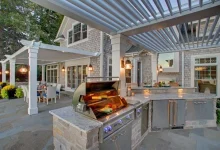
- Access to Utilities: If planning to cook outdoors, consider placing the dining area near the kitchen or integrating a small outdoor kitchen setup with a grill or prep space.
- Privacy Features: Incorporate hedges, trellises, or privacy screens to create a sense of seclusion while dining. This enhances the experience by reducing distractions from passersby.
“A well-thought-out front yard can transform an ordinary home into an inviting retreat that blends functionality with aesthetics.”
Incorporating functional spaces in front yard design not only maximizes the usability of the area but also enhances the overall enjoyment of outdoor living. Through careful planning and attention to detail, homeowners can create beautiful and practical environments that reflect their lifestyles and preferences.
Seasonal Considerations for Planting
Front yard landscaping is not just about aesthetics; it requires a keen understanding of seasonal changes to ensure year-round appeal. Proper planning allows homeowners to enjoy blooming flowers, vibrant foliage, and lush greenery throughout the year, thus enhancing the curb appeal of modern homes. Planning front yard landscaping with seasonal changes in mind involves selecting plants that thrive in specific seasons while maintaining visual interest all year long.
It’s essential to consider the climate of your area, the amount of sunlight or shade your yard receives, and the maintenance needs of the plants you choose. By understanding these factors, you can create a balanced and beautiful landscape that evolves with the seasons.
Timeline for Planting and Maintaining Year-Round Appeal
To achieve a vibrant landscape, a strategic timeline for planting and maintenance is crucial. This timeline will help you decide when to plant, prune, and care for your garden, ensuring that you enjoy continuous blooms and greenery. Here’s a suggested timeline for seasonal care:
- Spring (March – May):
-Begin planting annuals and perennials after the last frost.
-Fertilize existing plants to encourage new growth.
-Prune any winter-damaged branches.
- Summer (June – August):
-Water regularly, especially during dry spells.
-Deadhead spent flowers to promote new blooms.
-Begin planning for fall planting.
- Fall (September – November):
-Plant bulbs for spring blooms.
-Trim back perennials and remove annuals.
-Apply mulch to protect roots from winter cold.
- Winter (December – February):
-Protect sensitive plants with covers or mulch.
-Plan next year’s landscape and order seeds.
-Conduct maintenance on tools and equipment.
Plants That Bloom in Different Seasons, Front Yard Landscaping Ideas For Modern Homes
Selecting the right plants is essential for creating a dynamic landscape that showcases different colors and textures throughout the year. Here’s a table showcasing various plants that bloom in different seasons, helping you to plan your yard effectively:
| Season | Plant Name | Blooming Period |
|---|---|---|
| Spring | Cherry Blossom | March to April |
| Spring | Daffodil | March to May |
| Summer | Lavender | June to August |
| Summer | Daylily | June to September |
| Fall | Aster | September to October |
| Fall | Mums (Chrysanthemums) | September to November |
| Winter | Hellebore | December to March |
| Winter | Winter Jasmine | January to March |
By understanding seasonal considerations and following a thoughtful timeline, homeowners can create a stunning front yard landscape that captivates throughout the year.
Eco-Friendly Landscaping Solutions

Source: vietnamisawesome.com
Creating a modern front yard that respects and enhances the environment is more important than ever. Eco-friendly landscaping solutions not only reduce water usage and maintenance but also promote biodiversity and sustainability. By integrating techniques such as drought-resistant plants and organic practices, homeowners can create a beautiful and responsible landscape.One of the most effective ways to achieve an eco-friendly front yard is through drought-resistant landscaping.
This approach focuses on selecting plants that thrive in low-water conditions, significantly reducing the need for irrigation. Incorporating xeriscaping principles can lead to a visually appealing landscape while conserving water resources. Drought-resistant plants are often native to the region, making them well-suited to local climate conditions and less prone to disease.
Drought-Resistant Front Yard Landscape Techniques
Implementing drought-resistant landscaping requires careful planning and plant selection. Here are some key techniques to consider:
- Choose Native Plants: Selecting plants that are indigenous to your area ensures they are adapted to the local climate, soil, and water availability, making them more resilient.
- Group Plants by Water Needs: Arrange your plants according to their water requirements to optimize irrigation and reduce waste.
- Use Mulch: Applying organic mulch around plants helps retain moisture, suppress weeds, and improve soil quality as it decomposes.
- Incorporate Drip Irrigation: This efficient watering method delivers water directly to the roots of plants, minimizing evaporation and runoff.
Benefits of Xeriscaping and Native Plants in Modern Designs
Xeriscaping and the use of native plants offer numerous advantages that align with sustainable landscaping practices. Understanding these benefits can help homeowners appreciate the value of eco-friendly designs.
- Water Conservation: Xeriscaping reduces the amount of water needed for landscaping, which is crucial in areas facing drought conditions.
- Low Maintenance: Native plants require less upkeep, allowing homeowners to enjoy their yards without the constant need for care and resources.
- Enhanced Biodiversity: Using native flora supports local wildlife, including birds, butterflies, and beneficial insects, contributing to a healthier ecosystem.
- Cost-Effectiveness: Over time, the reduction in water use and maintenance leads to lower utility bills and gardening expenses.
Composting and Organic Fertilizers in Landscaping
Composting is an essential practice for eco-friendly landscaping, providing a natural way to enrich soil fertility without synthetic chemicals. By recycling kitchen scraps and yard waste, homeowners can create nutrient-rich compost that improves plant health and soil structure.
- Start a Compost Bin: Choose a suitable location and container for composting kitchen scraps, grass clippings, and leaves.
- Maintain Proper Ratios: Combine green materials (nitrogen-rich) and brown materials (carbon-rich) in about a 2:1 ratio for optimal decomposition.
- Aerate Regularly: Turning the compost pile promotes airflow, speeding up the breakdown process and preventing odors.
- Use Finished Compost: Apply the mature compost to garden beds or lawns as a natural fertilizer that supports plant growth while improving soil health.
Employing these eco-friendly landscaping solutions not only benefits homeowners but also contributes to a more sustainable future. By embracing drought-resistant practices, xeriscaping, and organic methods, anyone can create a stunning modern front yard that harmonizes with nature.
Integrating Technology in Landscaping
In today’s modern homes, integrating technology into front yard landscaping not only enhances the aesthetic appeal but also improves efficiency and sustainability. With advancements in smart home technology, homeowners can create landscapes that are not only beautiful but also easy to maintain. This section explores the various ways technology can be utilized to streamline landscaping efforts and promote environmentally friendly practices.
Smart Irrigation Systems
Smart irrigation systems are a revolutionary addition to landscaping, allowing for precise water management that conserves resources without compromising plant health. These systems use sensors, timers, and weather data to adjust watering schedules and amounts automatically. By incorporating smart technology, homeowners can ensure their plants receive optimal hydration while saving water and reducing utility bills.
- Soil Moisture Sensors: These devices monitor the moisture level in the soil and trigger watering only when necessary. This prevents overwatering and ensures plants remain healthy.
- Weather-Based Controllers: These systems adjust watering schedules based on local weather conditions, such as rainfall or temperature, providing an intelligent approach to irrigation.
- Mobile App Integration: Many smart irrigation systems come with mobile apps that allow homeowners to monitor and control their irrigation systems remotely, offering convenience and peace of mind.
Efficient Landscaping Maintenance Using Technology
Technology plays a critical role in maintaining landscaping efficiently, reducing the time and effort required for upkeep. Various tools and applications can assist homeowners in managing their front yard landscapes effectively.
- Robotic Lawn Mowers: These autonomous devices can mow lawns with minimal human intervention, navigating around obstacles and returning to their charging stations when needed. This can save significant time and labor.
- Plant Care Apps: Numerous apps are designed to help homeowners identify plants, provide care tips, and even remind them of watering schedules, ensuring their landscapes thrive.
- Drones for Monitoring: Drones can be utilized to survey large properties, providing aerial views that help identify areas needing attention or showcasing the landscape’s overall layout.
Incorporating Solar Technology into Outdoor Lighting Designs
Solar technology presents an eco-friendly solution for outdoor lighting, providing illumination without relying on the electrical grid. By incorporating solar lights into landscape designs, homeowners can enhance safety and aesthetics while reducing energy costs.
- Solar Pathway Lights: These lights charge during the day and automatically illuminate pathways at night, offering both safety and guidance.
- Solar Spotlights: Ideal for highlighting garden features or architectural elements, solar spotlights are versatile and add drama to the landscape after dark.
- Solar String Lights: Perfect for creating a cozy atmosphere for outdoor gatherings, solar string lights can be hung in trees or along fences, adding charm with zero energy costs.
Integrating technology in landscaping not only offers aesthetic value but also promotes sustainability and efficiency, making it a wise investment for modern homeowners.
Creating a Unique Front Yard Aesthetic
Creating a unique front yard aesthetic is about more than just planting flowers or laying down sod; it’s an opportunity to express your personal style and enhance your home’s curb appeal. A well-thought-out front yard can reflect your personality, integrate seamlessly with the architecture of your home, and create an inviting atmosphere for visitors. By blending various design elements, you can achieve a front yard that is not only visually appealing but also functional and conducive to your lifestyle.To blend multiple design elements effectively in your front yard, consider the following components: plants, hardscaping, structures, and decorative features.
Each of these elements plays a vital role in establishing a cohesive design that embodies your style while also meeting practical needs.
Blending Different Design Elements
In modern neighborhoods, combining various landscaping styles can yield stunning outcomes that stand out and contribute to the overall aesthetic of the community. Below are some unique landscaping styles that can be blended for a personalized front yard:
- Minimalist Design: Characterized by clean lines and a simple plant palette, this style focuses on functionality and space. Incorporating geometric shapes with low-maintenance plants can create a serene environment.
- Contemporary Garden: This style emphasizes the use of modern materials like concrete or metal, paired with lush greenery. A contemporary garden should feature a balance of hardscaping and softscaping to create visual interest.
- Zen Garden: With its tranquil spaces and natural elements, a Zen garden offers a peaceful retreat. Integrate stones, gravel, and carefully placed plants to create an oasis that promotes relaxation.
- Cottage Garden: This style features a variety of colorful flowers and plants in a natural setting. A cottage garden can blend seamlessly with modern homes if it includes structured pathways or decorative trellises.
- Desert Landscaping: Ideal for arid regions, this style utilizes drought-resistant plants and rocks to create an eco-friendly oasis. Incorporating succulents and ornamental grasses can add texture and creativity.
Combining elements from these styles can lead to exciting and visually appealing designs. For instance, a minimalist design can be accented with a few cottage plants for a vibrant touch, or a contemporary layout can incorporate Zen features for balance and tranquility.
“The key to a successful front yard is striking a balance between creativity and functionality.”
A well-designed front yard should not only be visually stunning but also serve practical purposes such as easy maintenance, space for outdoor activities, and welcoming entrances. When planning, think about how your front yard will be used day-to-day, ensuring that it accommodates your lifestyle needs while still being an aesthetic asset to your home.By merging different landscaping styles and considering the functionality of your front yard, you can create an enviable outdoor space that reflects your unique taste and enriches your living environment.
Conclusion
In summary, creating a vibrant and functional front yard is an achievable goal with the right ideas and planning. By blending various design elements, choosing the right plants, and considering hardscape and lighting options, you can craft a stunning outdoor space that speaks to modern aesthetics. Embracing these Front Yard Landscaping Ideas For Modern Homes will not only enhance the beauty of your property but also provide a personal touch that reflects your style.
FAQ Overview
What are some low-maintenance plants for modern front yards?
Some popular low-maintenance plants include ornamental grasses, succulents, and native shrubs that require less water and care.
How can I ensure my front yard is eco-friendly?
Utilize drought-resistant plants, practice xeriscaping, and consider composting to create a sustainable front yard.
What materials work best for hardscaping in modern yards?
Popular materials include stone, concrete, and wood, each offering unique benefits in terms of aesthetics and durability.
How can I incorporate lighting effectively in my front yard?
Strategic placement of LED lights along pathways and highlighting key landscaping features can enhance visibility and aesthetics.
What are the benefits of adding a water feature?
Water features can create a calming ambiance, attract wildlife, and serve as a focal point in your landscaping design.