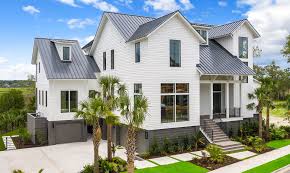
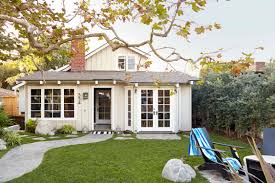
Modern Driveway Design Ideas For Residential Properties
Modern Driveway Design Ideas For Residential Properties sets the stage for a captivating exploration of how driveways have evolved into much more than just functional spaces. Today, they play a vital role in enhancing the aesthetic appeal of our homes while ensuring practicality. With an increasing emphasis on design trends, innovative materials, and eco-friendly solutions, homeowners are rethinking their driveways to reflect their personal style and environmental values.
From minimalist layouts to sustainable materials, the modern driveway is a canvas for creativity that harmonizes with landscaping and architecture. As we delve into this topic, you’ll discover the latest trends, materials, and design styles that can transform your driveway into an impressive feature of your property.





Overview of Modern Driveway Design
Modern driveway design has evolved significantly over the years, transitioning from simple, functional pathways to sophisticated extensions of residential architecture. This evolution reflects not only changes in materials and construction techniques but also shifts in aesthetic preferences and lifestyle needs. Today, driveways serve as a critical element of curb appeal while also accommodating the demands of contemporary living.The importance of combining aesthetic appeal with functionality in driveway design cannot be overstated.
A well-designed driveway enhances the overall visual impact of a home, providing a warm and inviting entrance. Functionality is crucial as well; modern driveways must support the weight of vehicles, withstand various weather conditions, and offer safety for pedestrians. Additionally, they should be designed to ensure efficient water drainage and reduce the risk of erosion.
Current Trends Influencing Driveway Design
Several trends currently shape the landscape of modern driveway design, reflecting both innovative materials and aesthetic preferences. One prominent trend is the use of permeable paving. This design not only fulfills the need for water drainage but also contributes to environmental sustainability by allowing rainwater to filter through the surface, reducing runoff. Permeable materials, such as porous asphalt and interlocking concrete pavers, are becoming increasingly popular for their dual functionality.Another trend is the integration of natural elements into driveway design.
Homeowners are favoring materials like gravel, stone, and even brick, which provide a rustic charm while also being durable. These materials tend to blend seamlessly with landscaping and offer a variety of colors and textures that can complement the home’s exterior.Incorporating geometric patterns and bold designs has also gained traction. Driveways are now seen as opportunities for creativity, with unique layouts that can enhance the property’s character.
For example, herringbone or circular patterns can be used to create a distinctive look that stands out in the neighborhood.Additionally, smart technologies are being integrated into driveway designs. Features such as heated driveways that melt snow and ice or sensor-activated lighting systems are becoming more common, enhancing safety and convenience.The use of color and artistic elements is also on the rise.
Homeowners are experimenting with colored concrete or stamped designs that mimic the look of more expensive materials. This approach not only boosts curb appeal but also allows homeowners to express their personal style while remaining budget-conscious.Through these trends, modern driveway designs are not just practical; they are expressions of individuality that enhance the functionality and visual appeal of residential properties.
Materials for Modern Driveways
In modern driveway design, selecting the right material is pivotal for aesthetic appeal, durability, and functionality. A variety of materials are available, each with unique characteristics that cater to different preferences and needs. Understanding these materials enables homeowners to make informed choices that align with their property’s style and practical requirements.
Common Materials Used in Driveway Construction
When it comes to driveway materials, there are several popular options that homeowners frequently consider. Each material offers unique advantages and disadvantages, making it essential to explore their characteristics thoroughly.
- Concrete: Known for its strength and longevity, concrete driveways can last for decades with proper maintenance. They offer a clean, modern look and can be customized with stains and textures. However, they can crack under extreme temperatures and heavy loads.
- Asphalt: Asphalt driveways provide a smooth and flexible surface, making them a popular choice for residential properties. They are generally less expensive to install than concrete and can withstand colder climates. The downside is that they require regular sealing and maintenance to prevent deterioration.
- Pavers: Paver driveways are made from various materials including brick, stone, and concrete. They offer a range of design possibilities and are easy to repair since individual pavers can be replaced. The downside includes a higher installation cost and potential settling issues over time.
- Gravel: Gravel driveways are budget-friendly and allow for excellent drainage, making them a sustainable choice. However, they can shift and require periodic replenishing, and weeds may grow through the gravel if not properly maintained.
Innovative Materials for Sustainable Driveway Design
Recent advancements in materials have introduced innovative options that enhance sustainability and environmental friendliness in driveway design. These materials not only contribute to aesthetic appeal but also provide practical benefits.
- Permeable Pavers: These allow rainwater to drain through the surface, reducing runoff and promoting groundwater recharge. They can be made from concrete or recycled materials, making them an eco-friendly option.
- Recycled Asphalt: Utilizing recycled asphalt not only reduces waste but also lowers costs. This material offers similar properties to traditional asphalt, making it an effective and sustainable alternative.
- Rubber Driveways: Made from recycled tires, rubber driveways are durable, skid-resistant, and can withstand extreme weather conditions. They also provide excellent drainage and reduce noise pollution.
- Grass or Turf Driveways: Incorporating grass or turf into driveway designs can enhance the landscape while promoting biodiversity. This option allows for natural drainage and reduces the heat island effect seen in traditional materials.
“The choice of driveway material can significantly impact the overall look and sustainability of a residential property.”
Design Styles and Patterns
Modern driveway design embraces a variety of styles and patterns that not only enhance curb appeal but also complement the overall aesthetics of residential properties. With the right design choice, a driveway can become a stunning focal point, adding value and character to any home. This section explores popular driveway styles and patterns that define contemporary residential landscapes.Various design styles cater to different tastes and architectural themes.
Among the most popular are minimalist, rustic, and contemporary styles. Each of these styles serves a unique purpose and can be enhanced by various patterns to create visual interest. Understanding these styles can help homeowners select a driveway that harmonizes with their property.
Popular Design Styles
Here are some key design styles for modern driveways, along with their unique features and suitability for different home aesthetics:
- Minimalist: Characterized by clean lines and simple materials, minimalist driveways often use concrete, gravel, or pavers in neutral shades. This style emphasizes functionality and low maintenance while offering a chic and modern look.
- Rustic: Rustic driveways utilize natural materials like cobblestones, brick, or gravel, providing a warm, earthy feel. This style works well for homes in rural or suburban settings, creating a welcoming atmosphere with a touch of nostalgia.
- Contemporary: Contemporary driveways blend traditional materials with cutting-edge designs. Features may include bold colors, geometric patterns, and innovative textures. This style suits modern homes that aim for a striking appearance.
Patterns to Enhance Driveway Design
Incorporating patterns into driveway designs can significantly enhance their visual appeal. Here are some popular patterns that can be used:
- Herringbone: This classic pattern adds a sophisticated touch, often used with pavers or bricks to create an eye-catching layout.
- Basketweave: A variation of the herringbone, this pattern alternates directions to create a woven effect. It’s ideal for adding texture and depth.
- Grid: A grid pattern can be achieved with concrete slabs interspersed with grass or gravel, providing a modern and eco-friendly option that allows greenery to flourish.
- Stenciled Concrete: Utilizing stencils can transform plain concrete into intricate designs resembling stone or tile, offering a cost-effective way to achieve a high-end look.
Comparison of Design Styles
To better understand the differences between the design styles, the following table Artikels their features and ideal applications:
| Design Style | Features | Suitability |
|---|---|---|
| Minimalist | Clean lines, neutral colors, low maintenance | Modern homes, urban settings |
| Rustic | Natural materials, earthy colors, warm textures | Country homes, suburban areas |
| Contemporary | Bold colors, geometric shapes, innovative materials | Architectural designs, modern neighborhoods |
Choosing the right design style and pattern can transform your driveway into a stunning entryway that reflects your home’s character.
Landscaping and Driveway Integration
Source: youfaconstruction.com
In modern residential design, the driveway is not merely a functional pathway; it is a canvas for creativity that can harmoniously blend with landscaping elements. This integration plays a crucial role in enhancing the overall aesthetic appeal of a property while ensuring practicality. A well-designed driveway, thoughtfully integrated with landscaping, can elevate the curb appeal and provide a welcoming environment.Landscaping complements modern driveway designs by creating a seamless transition between hardscapes and softscapes.
Using greenery strategically can soften the harsh lines of a driveway, while hardscaping features, like decorative stones or pavers, can add texture and interest. The combination of plants, trees, and driveway materials can produce a cohesive look that enhances the architectural style of the home.
Role of Greenery and Hardscaping
Integrating greenery and hardscaping is essential in achieving a balanced and appealing driveway design. Here are some key points to consider for effective integration:
- Plant Selection: Choose native plants that thrive in the local climate. These require less maintenance and water, making them sustainable options for landscaping around driveways.
- Color and Texture: Incorporate a variety of plants with different colors and textures. This diversity can create visual interest and soften the appearance of hard surfaces.
- Plant Placement: Position plants along the edges of the driveway or in strategic focal points to draw the eye and enhance the overall layout.
- Hardscaping Materials: Use materials like bricks, stones, or concrete pavers that are not only durable but also complement the surrounding landscape features.
- Curved Designs: Instead of a straight driveway, opt for a gently curved design that allows for more planting areas and a more organic feel.
Integrating Driveway Lighting with Landscaping
Incorporating lighting into the driveway landscaping significantly enhances safety and ambiance. Here are effective methods to blend driveway lighting with landscaping elements:
- Pathway Lights: Install low-voltage pathway lights along the driveway edges or embedded in the landscaping to illuminate the path without overwhelming the plants.
- Accent Lighting: Use spotlighting to highlight specific landscaping features, such as ornamental trees or garden sculptures, creating visual focal points at night.
- Integrated Lighting: Consider using integrated lighting solutions within the hardscaping, such as recessed lighting in paver stones, to maintain a clean aesthetic while providing illumination.
- Smart Lighting: Implement smart lighting systems that adjust brightness based on natural light levels or can be controlled remotely, enhancing both convenience and energy efficiency.
Eco-Friendly Driveway Solutions: Modern Driveway Design Ideas For Residential Properties
As sustainability becomes a priority in modern design, homeowners are increasingly looking for eco-friendly driveway solutions that minimize environmental impact. These alternatives not only enhance the aesthetic appeal of residential properties but also contribute to ecological well-being. By incorporating sustainable materials and techniques, you can create a beautiful driveway that is kind to the planet.One of the key components of eco-friendly driveways is the use of sustainable materials and innovative construction methods.
Traditional concrete and asphalt can have a significant carbon footprint, whereas alternative materials can reduce this impact while providing an attractive surface. Options such as recycled asphalt, permeable concrete, and even natural stone offer durability and a lower environmental impact.
Permeable Paving Options
Permeable paving is a crucial aspect of modern eco-friendly driveways, designed to manage stormwater runoff effectively. This technique allows rainwater to pass through the surface, thereby reducing flooding and replenishing groundwater supplies. Below are some leading options in permeable paving:
- Porous Asphalt: This material functions like traditional asphalt but features a porous structure that allows water to flow through, reducing runoff and contamination of water sources.
- Permeable Concrete: This unique concrete mix includes larger aggregates which create voids, enabling water to filter through and minimizing surface runoff.
- Gravel Pavers: Utilizing a grid system filled with gravel or grass, these pavers provide a solid surface for driving while allowing rainfall to seep into the ground.
- Permeable Interlocking Concrete Pavers: These pavers have spaces between them that can be filled with grass or gravel, allowing water to infiltrate the ground while providing a stylish surface.
Incorporating natural elements into the design not only fosters environmental sustainability but also enhances the driveway’s appeal. Elements such as native plants and trees can be strategically placed alongside permeable surfaces to absorb excess water and provide shade. The integration of bioswales—landscape elements designed to manage water runoff—can further enhance property aesthetics while promoting ecological balance.
“An eco-friendly driveway is not just a practical solution; it’s a step towards creating a sustainable future.”
By adopting these eco-friendly driveway solutions, homeowners can reduce their environmental footprint, improve water management, and create a visually appealing entrance that harmonizes with the natural surroundings.
Driveway Layouts and Functionality
When designing a residential driveway, the layout plays a critical role in determining not just aesthetics but also functionality and accessibility. Various driveway styles can profoundly impact the overall flow of a property, making it essential to choose a layout that complements both the architecture of the home and the needs of its occupants. In this section, we explore different driveway layouts and how they serve unique purposes.Driveway layouts can significantly influence the usability of the space.
Common designs such as circular, straight, and L-shaped driveways each have distinct advantages and are suited to different property configurations. Understanding the practical uses of these layouts can help homeowners optimize their driveways for efficiency and visual appeal.
Circular, Straight, and L-Shaped Driveways
Circular driveways are often favored for their ease of access, allowing vehicles to enter and exit without having to reverse. This is particularly beneficial for homes situated on busy streets or in areas where street parking is limited. Straight driveways, on the other hand, are straightforward in design and typically require less space, making them suitable for smaller lots. L-shaped driveways are versatile and can fit into tight corners of a lot while providing ample space for multiple vehicles.To illustrate the differences, the following table compares space requirements and accessibility for each driveway layout:
| Driveway Layout | Space Requirement | Accessibility |
|---|---|---|
| Circular | Moderate to High | Excellent – Easy entry and exit |
| Straight | Low | Good – Requires reversing for exit |
| L-Shaped | Moderate | Good – Flexible positioning |
Maximizing the functionality of a driveway involves more than just the layout; it requires strategic planning. Here are some tips to enhance the usability of your driveway space:
Incorporate extra parking
If possible, design the driveway to include additional parking spaces for guests, preventing the need for street parking.
Use permeable materials
These allow for better water drainage, reducing puddles and improving the longevity of the driveway.
Lighting and landscaping
Installing lights along the driveway path can enhance visibility and safety, while landscaping can soften the edges, making the area more inviting.
Consider multiple entry points
If space allows, having two entry points can facilitate smoother traffic flow, particularly for larger households.
“An efficient driveway design not only enhances curb appeal but also improves functionality and safety for residents and visitors alike.”
In conclusion, choosing the right driveway layout is essential for maximizing space and enhancing accessibility. By considering the unique characteristics of each layout and incorporating thoughtful design elements, homeowners can create a practical and aesthetically pleasing driveway.
Maintenance and Upkeep
Maintaining a driveway is crucial for enhancing the longevity and appearance of your residential property. Different types of driveways, such as concrete, asphalt, and pavers, come with their own unique upkeep requirements. Regular maintenance not only preserves the aesthetic appeal but also prevents costly repairs down the line.Proper maintenance can help homeowners avoid common issues such as cracking, stains, and erosion.
Each driveway type has specific care needs that, when followed, will keep your driveway looking sharp and functioning well. Below is a comprehensive guide on maintaining various driveway types effectively.
Maintenance for Concrete Driveways
Concrete driveways require particular attention to maintain their durability and appearance. Here are a few essential maintenance practices:
- Regular Cleaning: Sweep away debris, dirt, and leaves regularly. Use a power washer for deeper cleaning, particularly for stains.
- Sealing: Apply a concrete sealer every 2-3 years to protect against moisture and staining. This also helps to prevent cracking.
- Crack Repair: Fill in any cracks or holes promptly using a concrete patching compound to prevent water infiltration.
- Control Joint Maintenance: Ensure that control joints are visible and clear of debris. Refill them as necessary to prevent weed growth.
Maintenance for Asphalt Driveways
Asphalt driveways are popular for their smooth finish and affordability, but they need regular care to prolong their lifespan:
- Regular Cleaning: Keep the surface clean by sweeping and washing with water. Remove oil spills promptly with a suitable cleaner.
- Sealcoating: Apply sealant every 1-3 years to protect against UV rays and water damage. This helps to maintain the color and integrity of the asphalt.
- Crack Filling: Address cracks immediately with a hot rubberized asphalt filler to prevent them from expanding.
- Edge Maintenance: Trim back grass and weeds from the edges to prevent them from encroaching and causing damage.
Maintenance for Paver Driveways
Paver driveways offer a unique aesthetic but require specific care techniques to keep them in shape:
- Joint Sand Replacement: Over time, the sand between pavers can wash away. Refill with polymeric sand to prevent weed growth.
- Cleaning: Use a pressure washer carefully to remove dirt and stains. Avoid excessive pressure that may disturb the pavers.
- Resealing: Reseal your pavers every few years to protect against stains and weather damage.
- Weed Control: Regularly check for weeds and manually remove them to maintain the integrity of the paver layout.
Regular maintenance practices can significantly extend the lifespan of your driveway, often adding years of functionality and visual appeal.
By following these guidelines, homeowners can effectively manage the upkeep of their driveways, ensuring they remain safe and visually appealing for years to come.
Safety Features in Driveway Design
When designing a modern driveway, safety should be one of the top priorities. A well-designed driveway not only enhances the aesthetics of a residential property but also ensures the safety of the residents and visitors. This section highlights essential safety features that should be integrated into driveway designs, focusing on lighting, surface materials, and the importance of clear markings and signage.
Key Safety Features in Driveway Design
Incorporating specific safety features into driveway designs can significantly reduce accidents and enhance user experience. Key elements include:
- Lighting: Adequate and strategically placed lighting is crucial for visibility at night. Consider motion-sensor lights that automatically illuminate when someone approaches, creating a safer environment.
- Surface Materials: Selecting non-slip surface materials can prevent slips and falls, especially during wet conditions. Permeable pavements can also improve drainage and reduce pooling water.
- Gradients and Slopes: Ensuring that driveways have appropriate gradients can prevent water from pooling and reduce the risk of accidents due to slippery surfaces.
- Buffer Zones: Creating buffer zones with landscaping can help separate the driveway from pedestrian areas, reducing the chances of collisions.
- Clear Markings: Painted lines and designated pathways for pedestrians can help guide both drivers and walkers, minimizing confusion and potential accidents.
Enhancing Safety with Lighting and Surface Materials, Modern Driveway Design Ideas For Residential Properties
Lighting and surface materials play a pivotal role in promoting safety within driveway designs. Effective lighting strategies not only illuminate the path but also enhance the overall security of a property. The right surface materials contribute to traction and stability, especially in varying weather conditions.
- Types of Lighting: LED lights are energy-efficient and provide bright illumination. Solar-powered lights are also a sustainable option, offering illumination without the need for electrical wiring.
- Surface Material Options: Textured concrete, brick pavers, or rubberized surfaces can enhance grip. These materials are particularly beneficial in climates prone to rain or snow, where slick surfaces are a concern.
- Natural Light Considerations: Designing driveways with landscaping that does not obstruct natural light can improve visibility during the day, reducing reliance on artificial lighting.
Importance of Clear Markings and Signage
Clear markings and signage are essential components of effective driveway layouts. They provide vital information that helps guide vehicles and pedestrians safely.
- Marking Pathways: Clearly defined pedestrian pathways help separate foot traffic from vehicles, reducing the risk of accidents.
- Signage: Installing signs that indicate speed limits, pedestrian crossings, and parking regulations ensures that all users are aware of the rules and potential hazards.
- Reflective Materials: Using reflective paint or materials for markings can enhance visibility at night, making it easier for drivers and pedestrians to navigate the area safely.
“Incorporating safety features in driveway design not only protects individuals but also enhances the overall functionality of the space.”
Innovative Technology in Driveway Design
The evolution of technology has significantly transformed many aspects of home design, and driveways are no exception. Modern driveway designs now incorporate advanced materials and smart features that enhance functionality, aesthetics, and convenience. This transformation is not only about enhancing the visual appeal but also about utilizing technology to improve safety, durability, and ease of maintenance.One of the most impactful advancements in driveway design is the introduction of smart technologies.
These innovations not only make driveways more functional but also contribute to energy efficiency and sustainability. From heated surfaces that prevent snow accumulation to automated systems that enhance security, technology is redefining the way we conceive driveways.
Smart Driveway Technologies
Several smart technologies are revolutionizing driveway design, providing homeowners with added convenience and safety. Below are some notable examples:
- Heated Driveways: These systems use electrical or hydronic heating elements to prevent snow and ice buildup, ensuring safe access during winter months. The systems are not only efficient but also save time and reduce the need for salt and shoveling.
- Automated Gates: Incorporating automated gates into driveway designs enhances security and ease of access. Homeowners can control gate access remotely via smartphones or keypads, adding an extra layer of safety.
- Permeable Paving: This technology allows water to permeate through the surface, reducing runoff and promoting groundwater recharge. It’s a sustainable option that helps manage stormwater and minimizes flooding.
- Smart Lighting: Integrated lighting systems can be programmed to illuminate driveways automatically at dusk or in response to motion detection. This not only adds security but also enhances the aesthetic appeal of the property.
- Driveway Sensors: Sensors can be installed to detect vehicle presence, automatically opening gates or alerting homeowners to incoming vehicles. These systems can be linked with home automation setups for added convenience.
The future of driveway design will likely see an increased integration of these smart technologies. As advancements in automation and connectivity continue, we can expect driveways to become even more tailored to individual needs. Concepts like solar-powered driveways are already being explored, where solar panels integrated into the paving material can generate energy for household use. Moreover, the incorporation of smart materials that can change color or texture in response to environmental conditions may soon become commonplace.In conclusion, innovative technology is setting new standards in driveway design, making them smarter, safer, and more efficient than ever before.
The combination of functionality and advanced materials not only enhances the homeowner’s experience but also contributes positively to environmental sustainability.
Last Word
In summary, modern driveway design is an exciting blend of functionality, aesthetics, and sustainability. By incorporating innovative materials, unique design patterns, and eco-friendly solutions, homeowners can create driveways that not only enhance curb appeal but also serve practical purposes. As we embrace the future, the possibilities for transforming residential driveways are limitless, ensuring that they remain a key aspect of every home’s character and charm.
Q&A
What are the most popular materials for modern driveways?
The most popular materials include concrete, asphalt, pavers, and gravel, each offering unique benefits and aesthetics.
How can I make my driveway eco-friendly?
You can choose permeable paving options, use recycled materials, and incorporate natural elements to enhance sustainability.
What design styles are trending for driveways?
Trending styles include minimalist, contemporary, and rustic designs that focus on simplicity and function.
How often should I maintain my driveway?
Regular maintenance is recommended at least once a year, but frequency may vary based on material and usage.
What safety features should I include in my driveway?
Key safety features include adequate lighting, clear markings, and using non-slip surface materials for better traction.